English| EUR
Suggested for you
More currencies
Book Now
Open today · 08:00 – 17:00

Tulum Ruins Tour From Cancun

Tulum Ruins Tour From Cancun — Clifftop Temples & Caribbean Views

Morning departures with roundtrip transport, guided walks through walled Maya ruins above turquoise waters

50K+ travelers chose this
Free Cancellation
Right now: Moderate — autumn shoulder season Arrive by mid-morning to avoid the midday sun and tour bus groups
Free Cancellation
Free cancellation Instant confirmation Mobile voucher Verified partners Skip-the-line entry
08:00–17:00
Opening Hours
Daily including weekends
95 MXN
Entrance Fee
INAH admission per person
12 meters
Cliff Height
Overlooking Caribbean Sea
08:00–09:30
Best Arrival Window
Avoids crowds and heat
60+
Preserved Structures
Within the walled site
Choose your ticket

Tulum Ruins Tour From Cancun tickets at a glance

Compare fares, pick the fit — all bookings are mobile-voucher and eligible for free cancellation where shown.

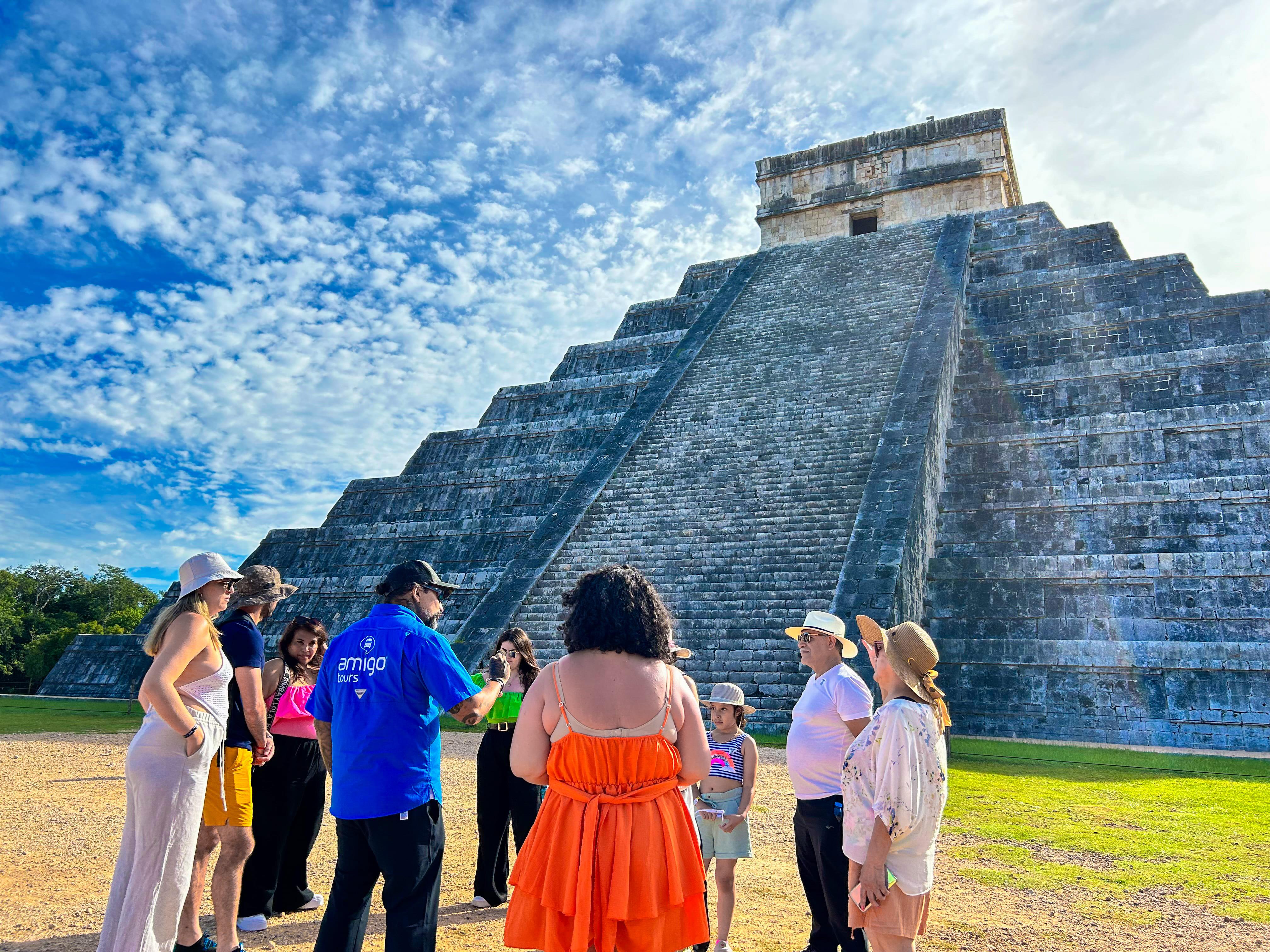
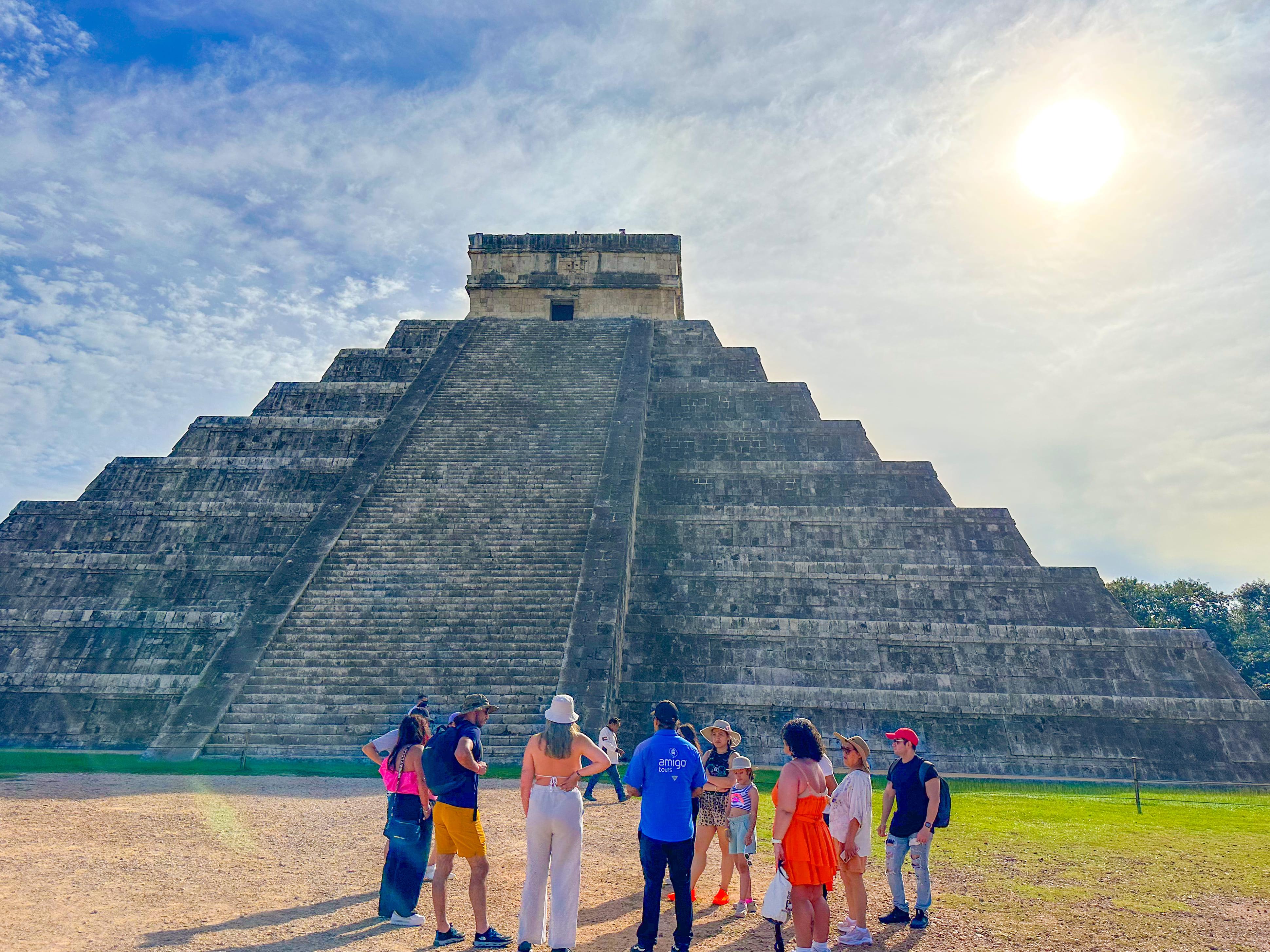
Chichén Itzá, Cenote & Valladolid Full-Day Adventure 12 hr
Guided Experience

Chichén Itzá, Cenote & Valladolid Full-Day Adventure

4.6 (8543)
€50
  • Expert local guide
  • Small group
  • Skip-the-line access
  • Free cancellation
Book this ticket
Tulum & Coba Ruins with Cenote Cave Swim and Lunch 12 hr
Guided Experience

Tulum & Coba Ruins with Cenote Cave Swim and Lunch

4.4 (287)
$41
  • Expert local guide
  • Small group
  • Skip-the-line access
  • Free cancellation
Book this ticket
Compare options

Compare Tulum Ruins Tour From Cancun ticket options

Experience DurationRatingPickupLunchSkip-the-lineGuide Price
Guided Experience
Most popular
Tulum Ruins, Cenote Mariposa & Playa del Carmen Day Trip
10 hr★ 4.6✓✓✓✓ €31 Book →
Guided Experience
Chichén Itzá, Cenote & Valladolid Full-Day Adventure
12 hr★ 4.6✓✓✓✓ €50 Book →
Guided Experience
Tulum & Coba Ruins with Cenote Cave Swim and Lunch
12 hr★ 4.4✓✓✓✓ $41 Book →

Is a Tulum Ruins Tour From Cancun Worth It

Worth it with combo tours, skippable standalone

The 95 MXN INAH entrance fee for Tulum Archaeological Site is modest, but the real cost comes from the two-hour drive each way from Cancun. A standalone tulum ruins tour from cancun rarely justifies the travel time — you'll spend four hours in transit for a compact site you can explore in ninety minutes. The value equation shifts with combo packages. Tours pairing the clifftop Maya temples with cenote swimming, snorkeling at Akumal, or a second ruin like Coba turn a thin half-day into a full coastal experience. The Caribbean backdrop and well-preserved structures deliver on the postcard promise, but the compact layout and midday crowds mean you'll want more on the itinerary. For first-timers prioritizing iconic visuals over archaeological depth, tulum ruins tour from cancun tickets bundled with lagoon or reef stops make the journey worthwhile. Solo ruin seekers should consider staying in Tulum town or choosing Chichen Itza for a more substantial ancient city visit from Cancun instead.

What makes it worth it

  • Clifftop Caribbean views rival any Maya site
  • Compact layout easy to navigate in heat
  • Combo tours add cenotes and snorkeling value
  • Well-preserved temples and murals still intact
  • Early morning access beats tour bus crowds

Keep in mind

  • Four-hour round-trip from Cancun for short visit
  • Site lacks scale of Chichen Itza or Coba
  • Midday heat and crowds reduce experience quality
  • Standalone tours thin value for transit time

Bottom line: Book a combo tour that layers cenote swims or snorkeling onto the clifftop ruins, or save Tulum for a dedicated coastal overnight.

Head to head

Tulum Ruins Tour From Cancun vs Chichen Itza: Which Ruins Trip to Pick

For a tulum ruins tour from cancun, expect a short coastal run with cliffside Maya landmarks, while a Chichen Itza day trip means a longer inland haul to Mexico's most iconic pyramid; most visitors doing only one pick Tulum for ease and Chichen Itza for grandeur.

Top pick
Tulum Archaeological Site
Chichen Itza
Distance from Cancun
Site character
Site character
Typical tour duration
Iconic structure
Iconic structure
Cenote pairing
Cenote pairing
Crowd levels
Crowd levels

Verdict: Choose Tulum for a shorter trip with sea views and a swim, and Chichen Itza when the main goal is standing before the larger, more monumental pyramid.

Featured Experiences

Popular Tulum Ruins Tour From Cancun tours & activities

Hand-picked experiences loved by thousands of travelers

Recommended Experience

Powered by GetYourGuide

Another traveler favorite

Powered by GetYourGuide
Chichen Itza Early Morning Guided Tour 9 hours Free Cancellation

Chichen Itza Early Morning Guided Tour

Beat the crowds with sunrise access to the ancient Mayan pyramids and temples at this UNESCO World Heritage Site

4.4 (693)
FromFrom €50.39
See details
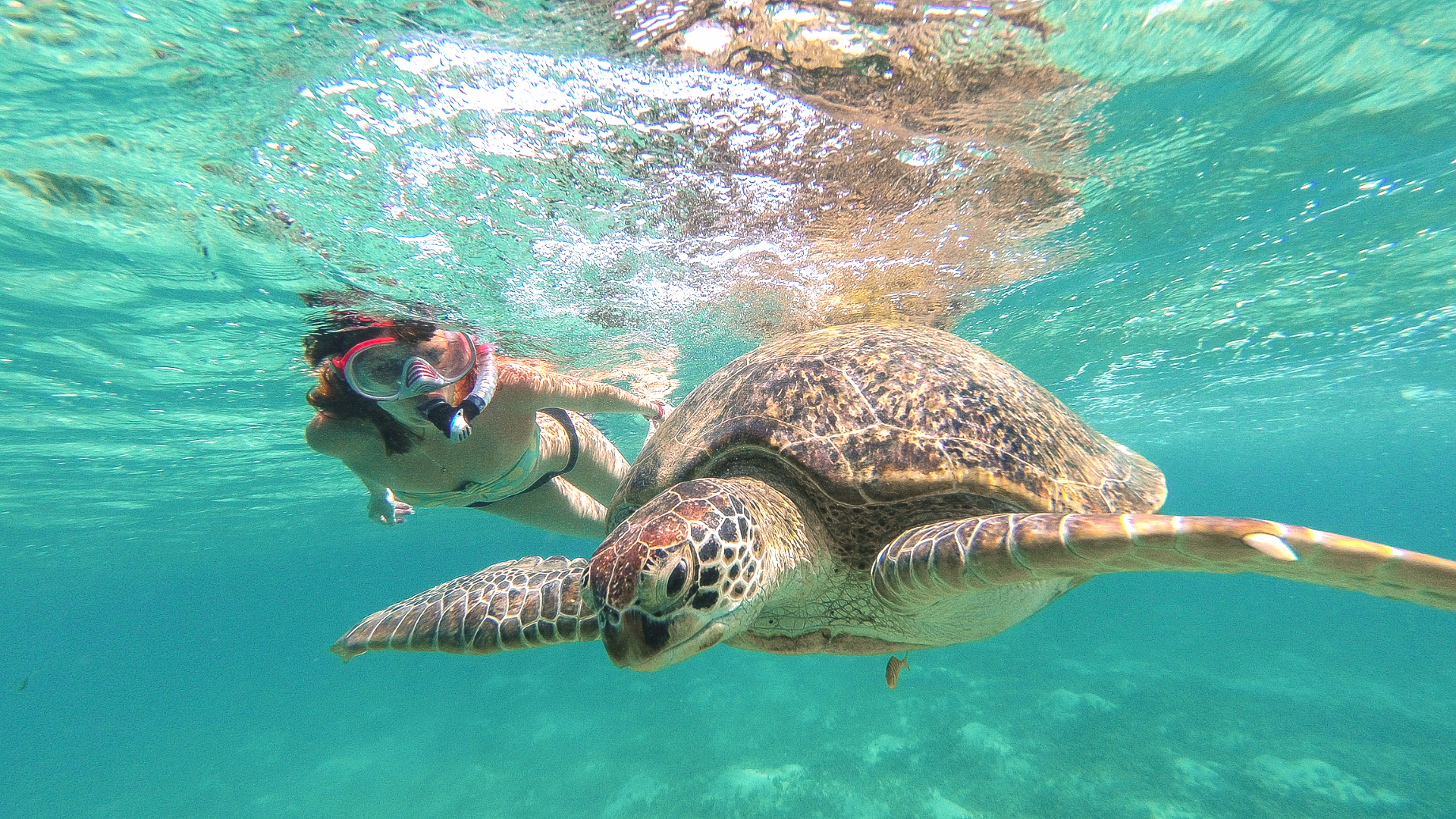
Tulum Ruins, Cenote Swimming & Akumal Turtle Snorkeling Adventure 10 hours Free Cancellation

Tulum Ruins, Cenote Swimming & Akumal Turtle Snorkeling Adventure

Journey through Mayan history, swim in a butterfly-shaped cenote, and snorkel with sea turtles

4.5 (373)
FromFrom €75.79
See details
Tulum Ruins & Nohoch Cenote Day Trip from Cancún 9 hours Free Cancellation

Tulum Ruins & Nohoch Cenote Day Trip from Cancún

Discover ancient clifftop Mayan temples and swim in a crystal-clear jungle cenote on this full-day adventure.

FromFrom €43.89
See details
Tulum & Coba Ruins with Cenote Swim Full-Day Tour 11 hours Free Cancellation

Tulum & Coba Ruins with Cenote Swim Full-Day Tour

Journey through two iconic Maya cities and swim in a jungle cenote on this all-day adventure from Cancun.

FromFrom €82.52
See details
Tulum Ruins, Cenote & Mayan Village Half-Day Tour 6 hours Free Cancellation

Tulum Ruins, Cenote & Mayan Village Half-Day Tour

Discover ancient clifftop ruins, swim in sacred cenote waters, and experience authentic Mayan village life

4.6 (76)
FromFrom €133.58
See details
Chichén Itzá Early Access with Cenote & Valladolid 9.5 - 10 hours Free Cancellation

Chichén Itzá Early Access with Cenote & Valladolid

Beat the crowds at a Wonder of the World, swim in a sacred cenote, and stroll a colonial Magical Town

4.8 (28)
FromFrom €126.62
See details
Private Tulum Ruins & Sac Actun Cenote Day Trip 10 hours Free Cancellation

Private Tulum Ruins & Sac Actun Cenote Day Trip

Discover ancient Mayan heritage and underground wonders on this exclusive full-day adventure from Cancun

FromFrom $320
See details
Private Coba & Tulum Maya Ruins Tour from Cancun 10 hours Free Cancellation

Private Coba & Tulum Maya Ruins Tour from Cancun

Explore two iconic archaeological sites with a dedicated guide, private transport, and clifftop Caribbean views.

5 (1)
FromFrom €304.63
See details
Your journey

Your Tulum Ruins Tour From Cancun day, step by step

1
Entrance and ticket check

Entrance and ticket check

Pass through the visitor center, security check, and INAH ticket booth before the walking path to the ruins

2

Walk to the main plaza

Follow the shaded path through coastal scrub to reach the cliffside cluster of temples

3
Main temple cluster

Main temple cluster

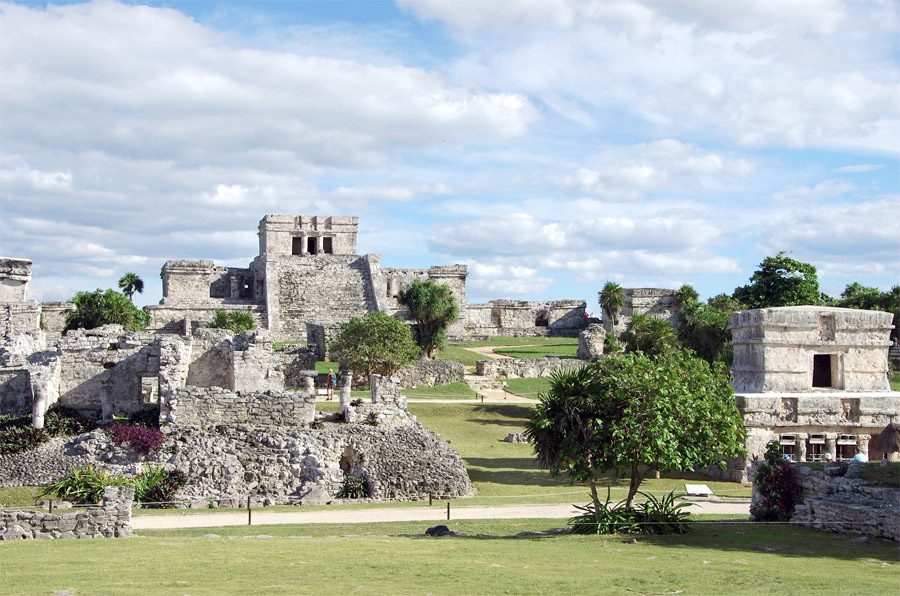
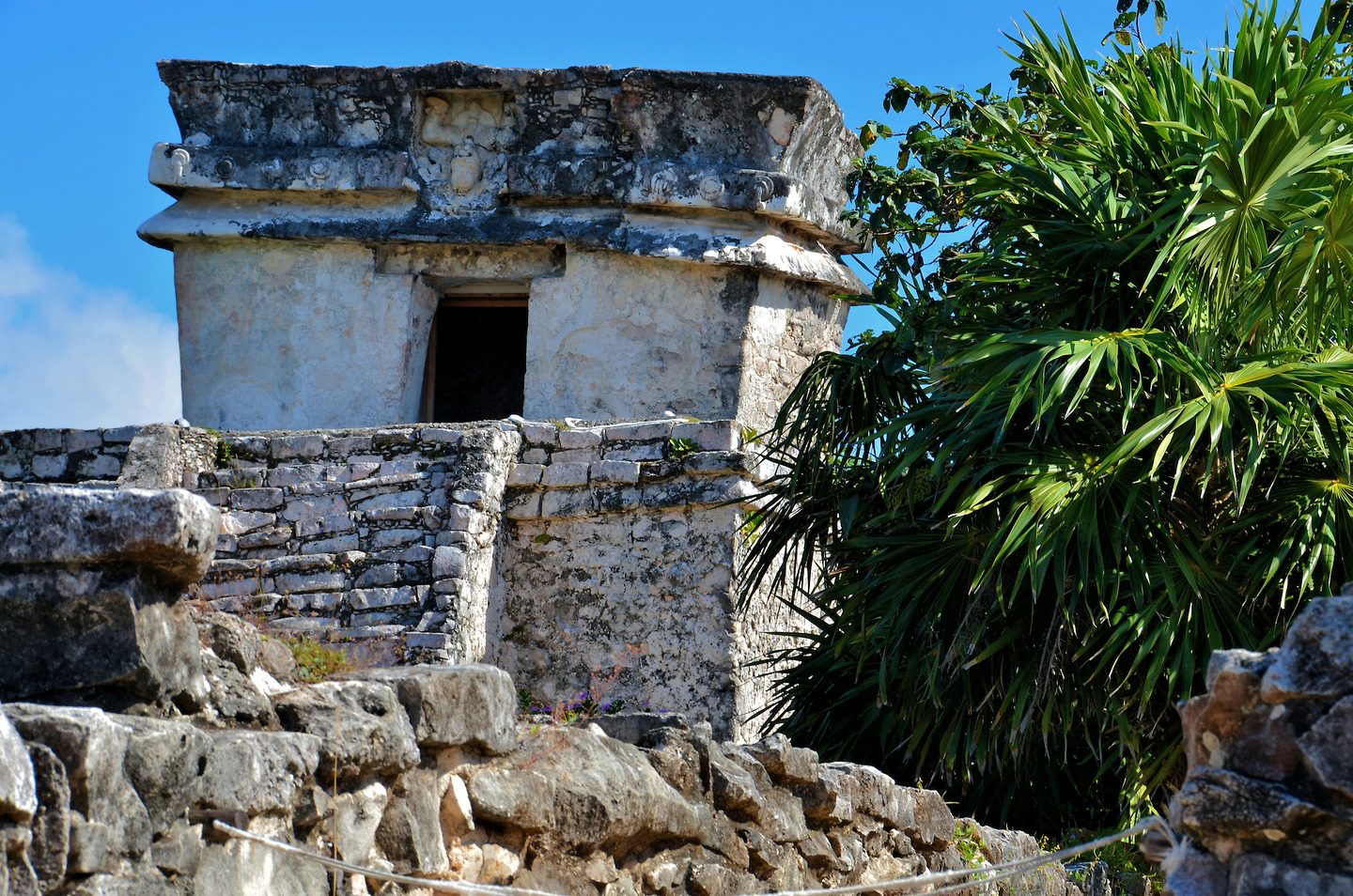
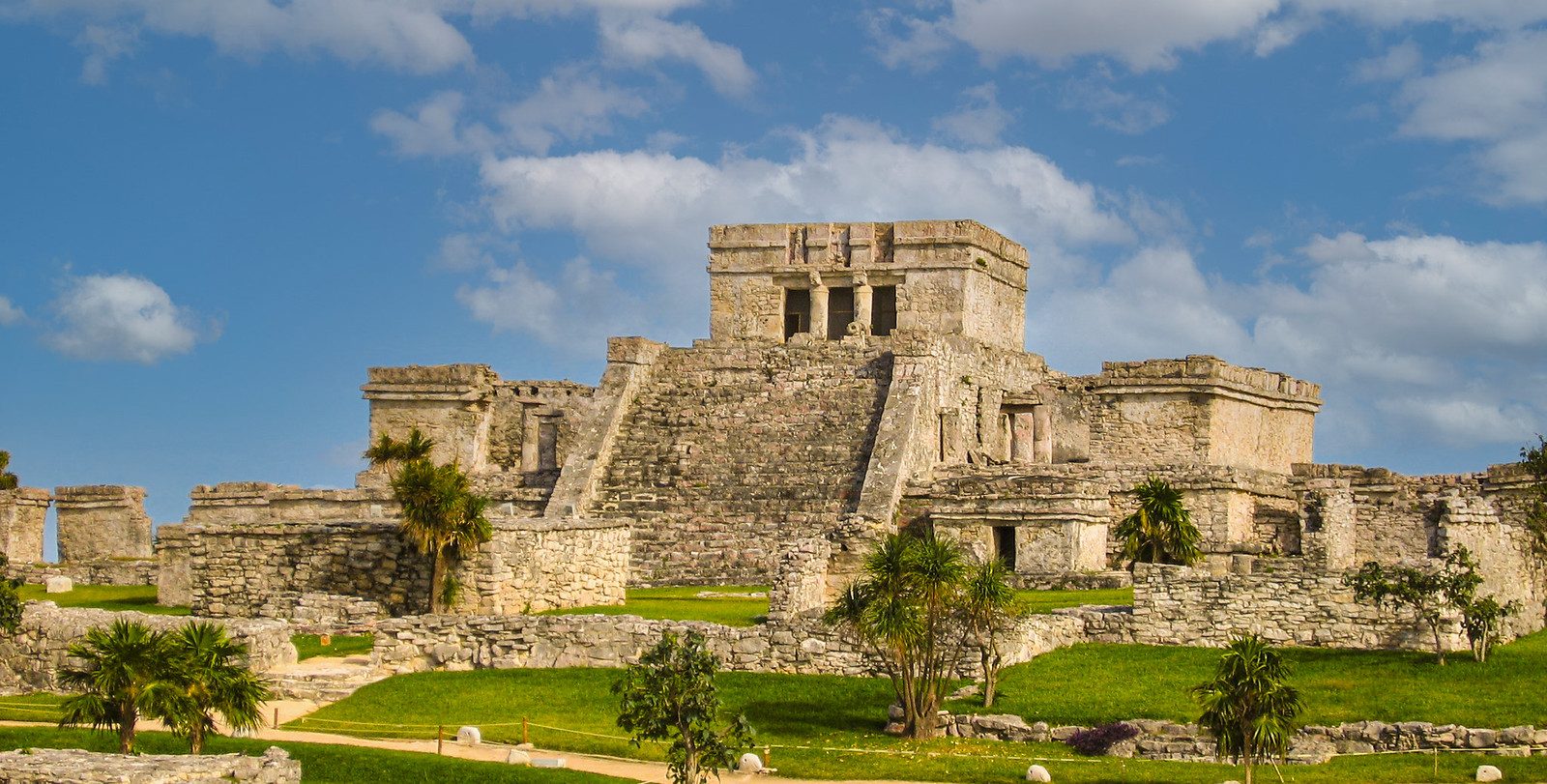
View El Castillo, the Temple of the Frescoes, and the Temple of the Descending God from designated walkways

4
Cliffside viewpoints

Cliffside viewpoints

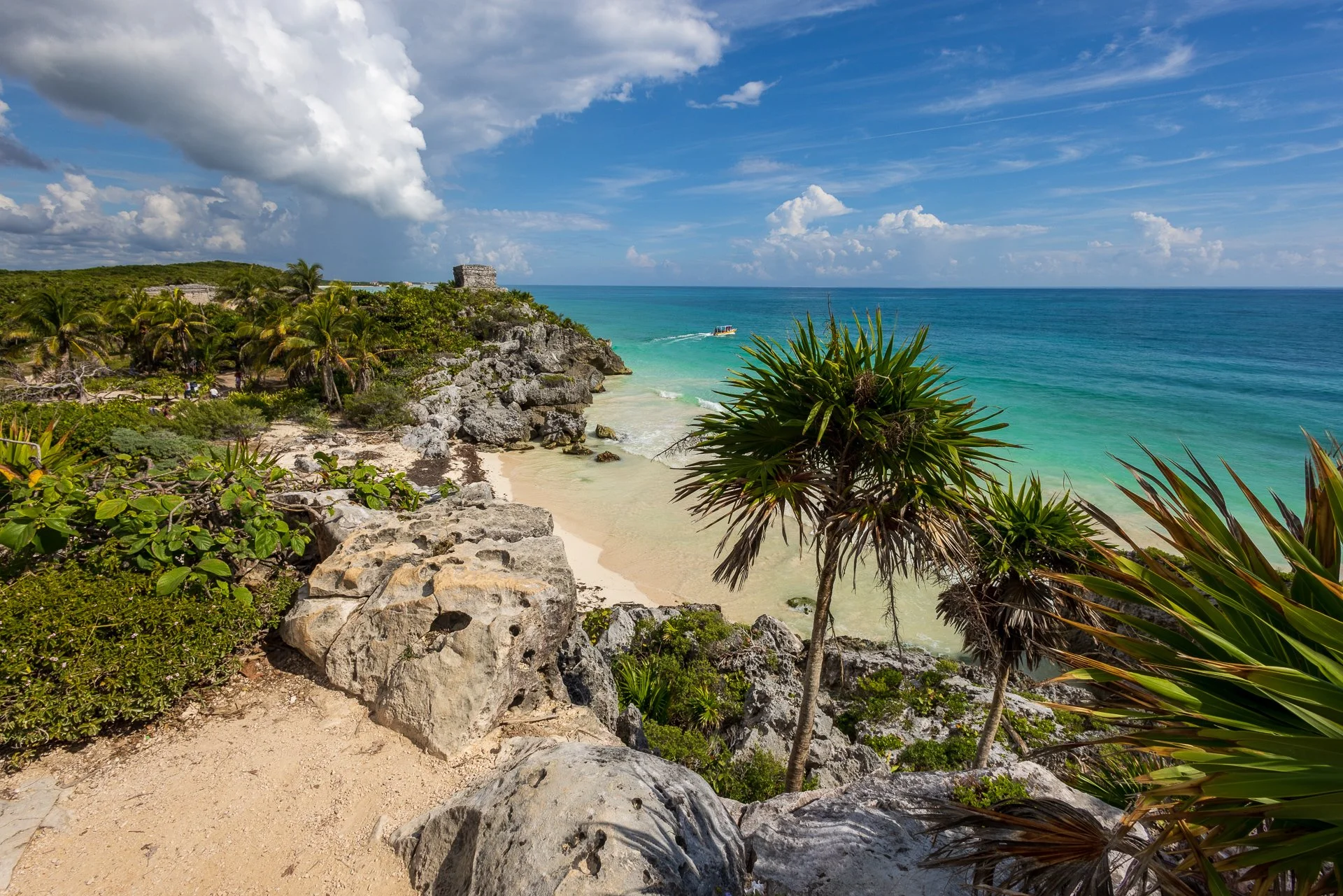
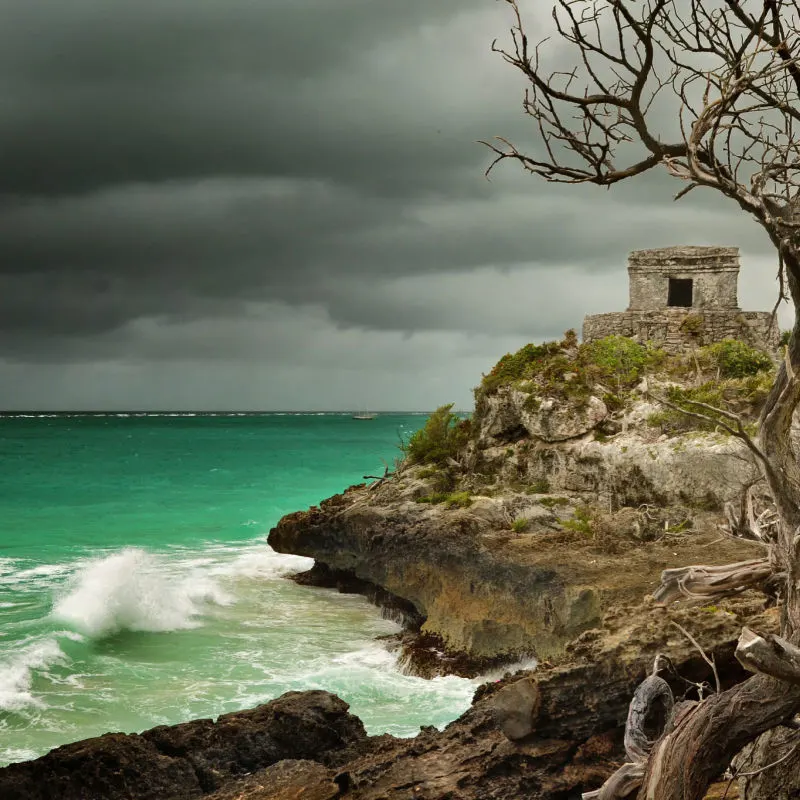
Walk the coastal edge for views over the Caribbean Sea and the site's defensive wall

5
Beach cove break

Beach cove break

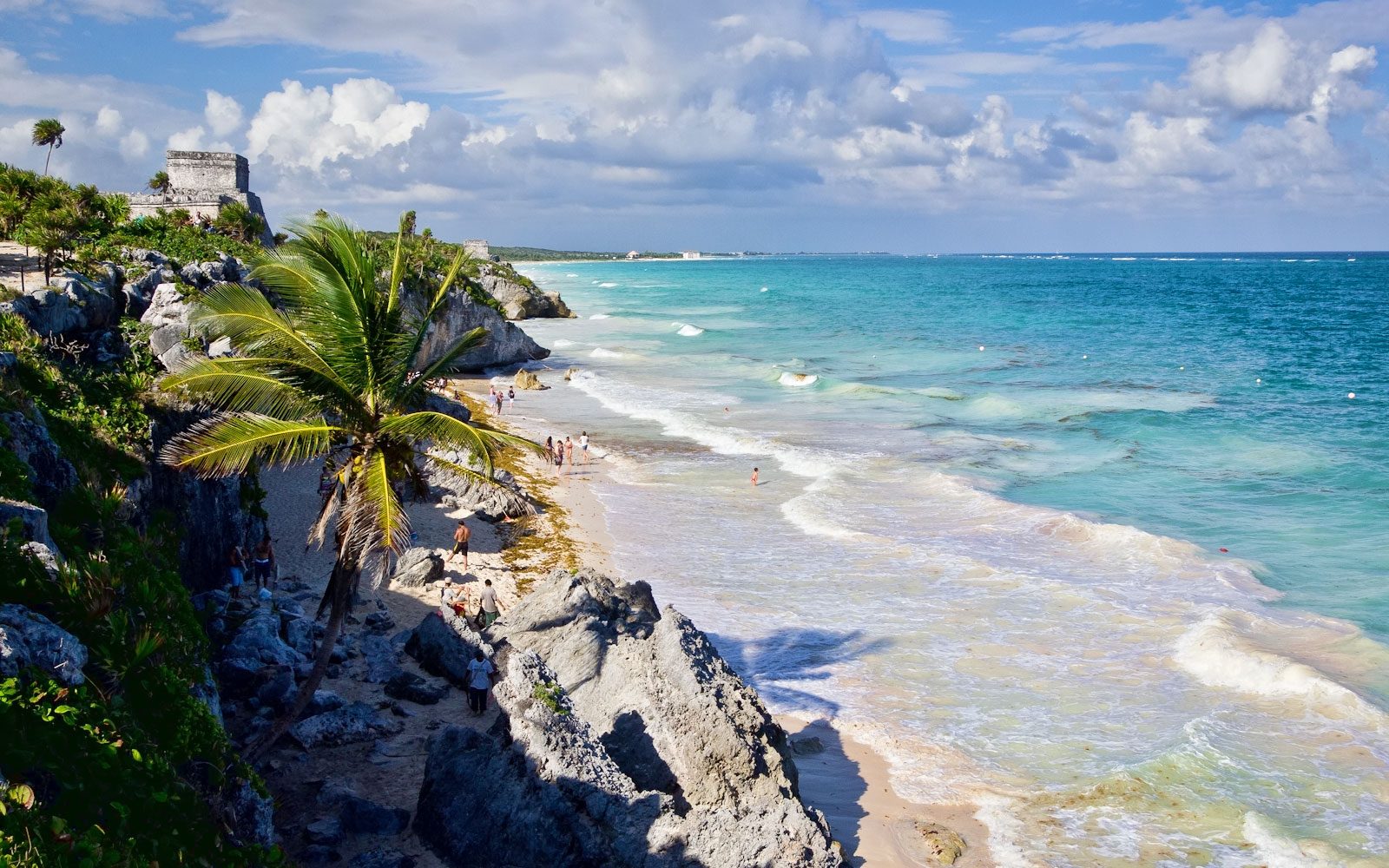
Descend the wooden staircase to the small beach below the ruins for swimming or photos

6

Exit through gift market

Pass through the vendor stalls near the visitor center on the way back to transport

What you'll see

What you'll see at Tulum Ruins Tour From Cancun

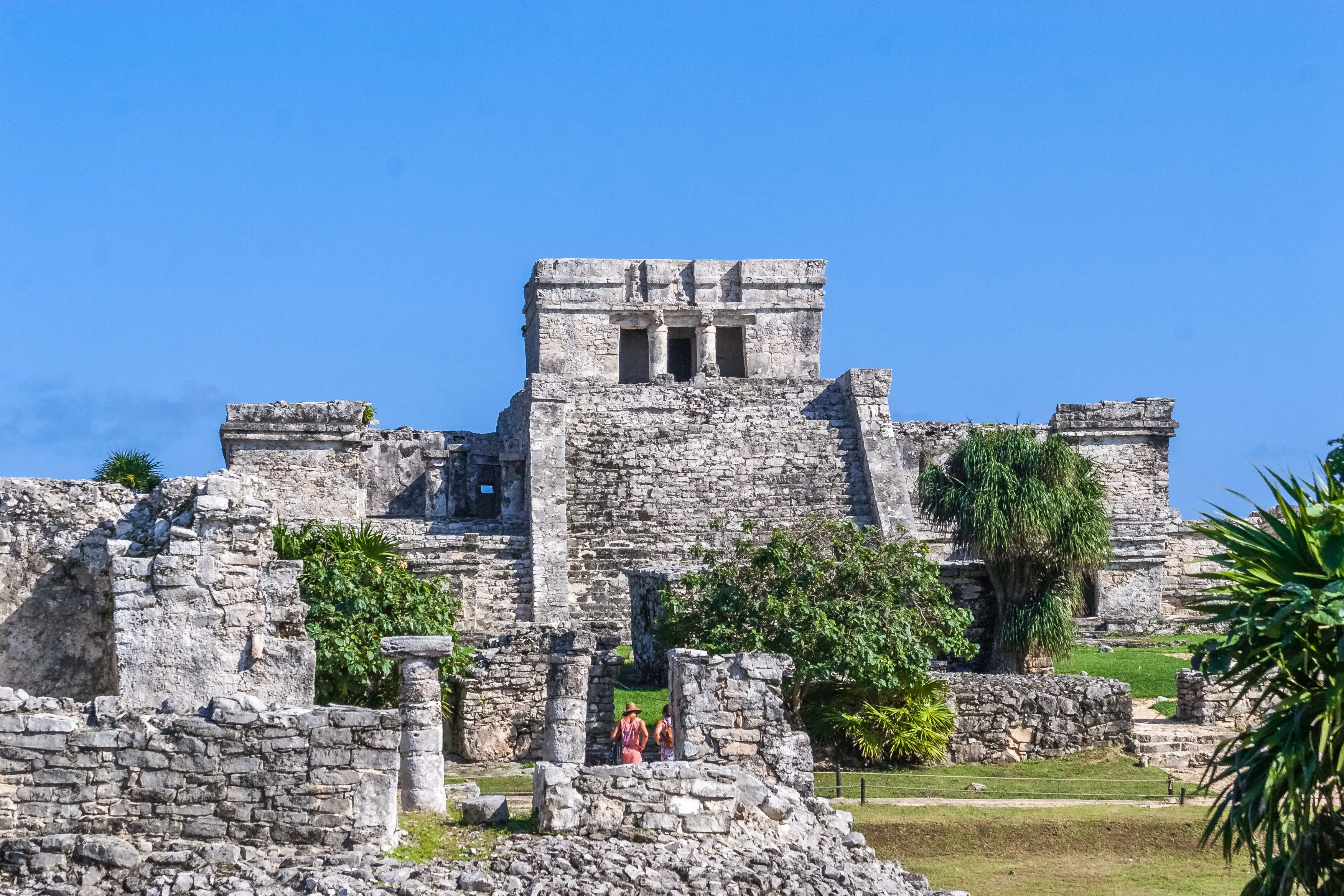
El Castillo

El Castillo

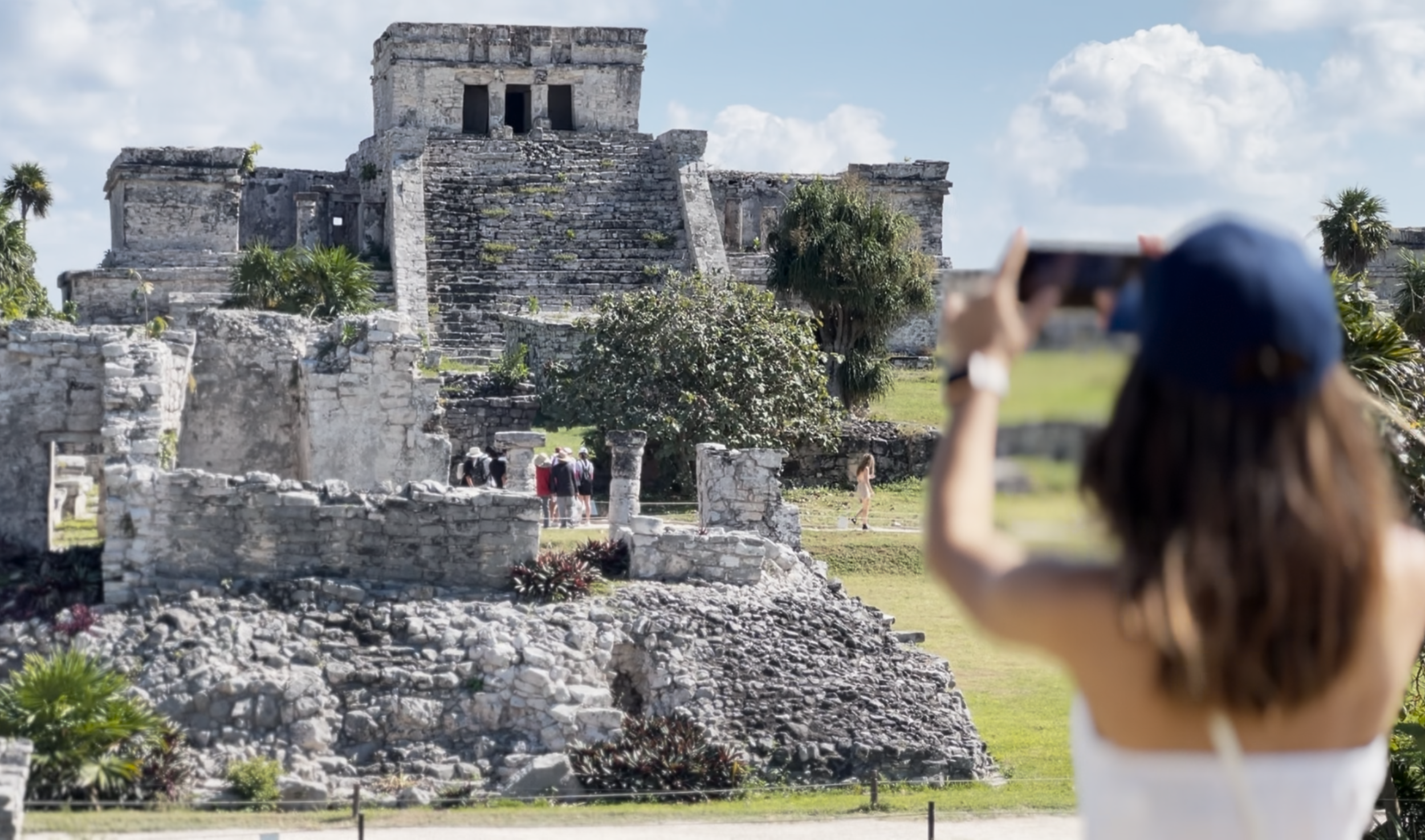
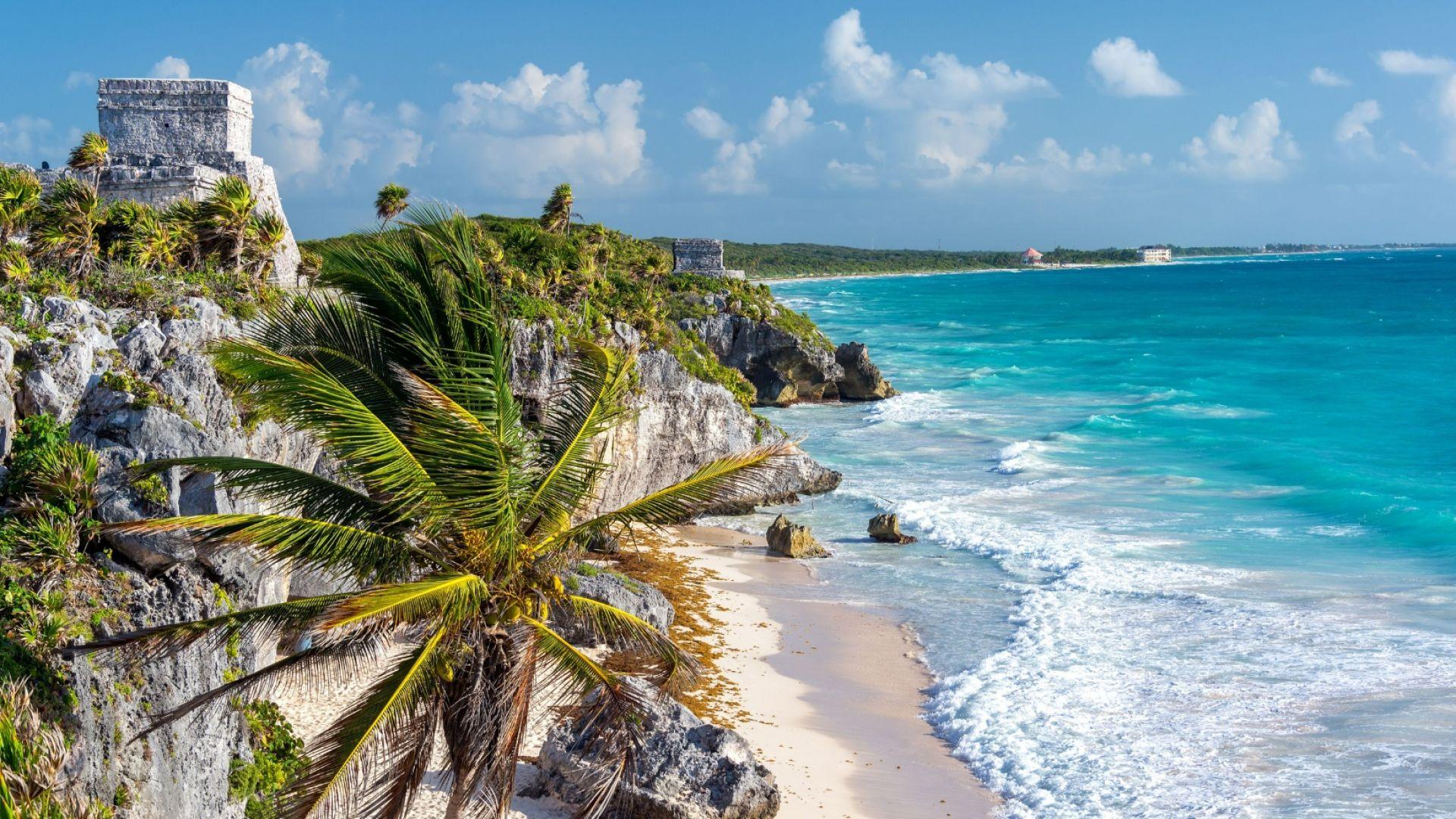
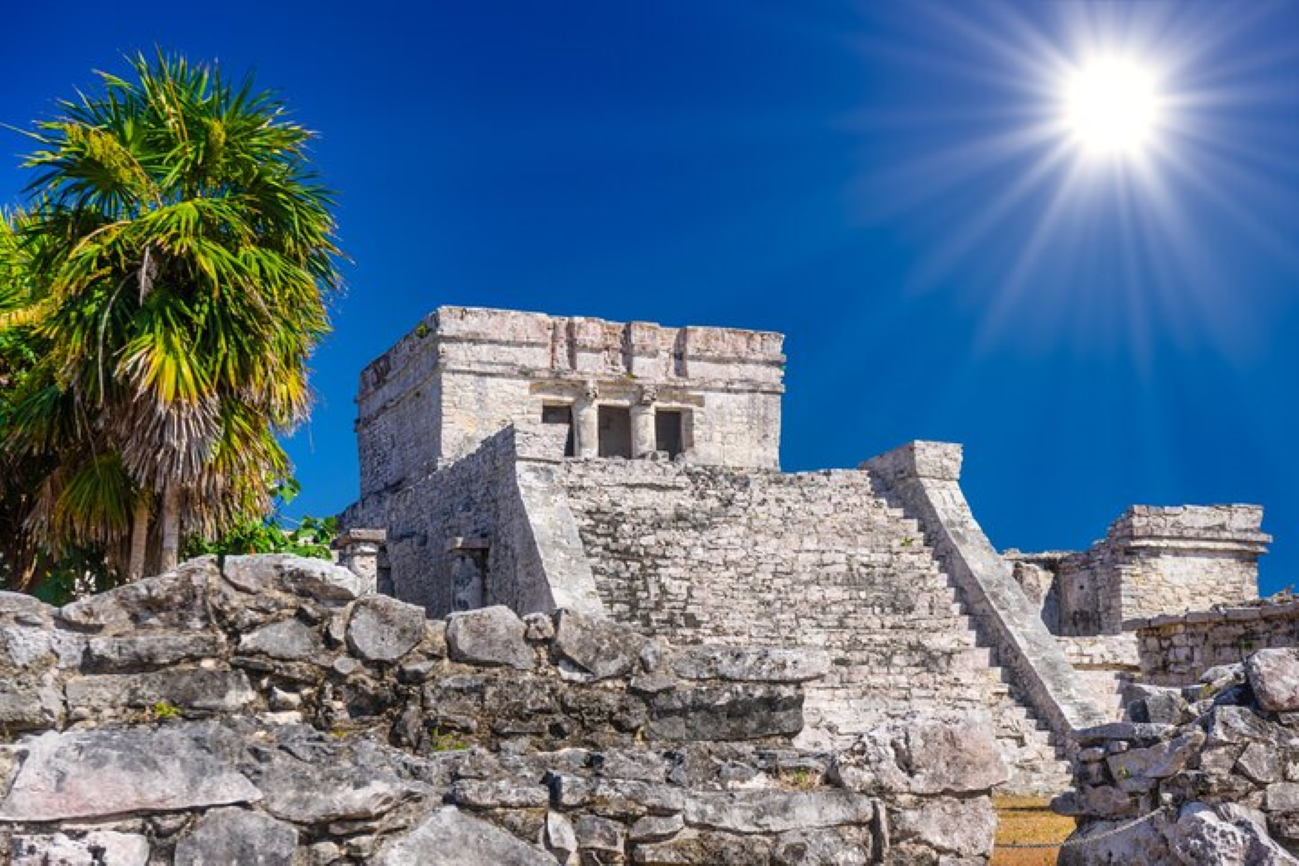
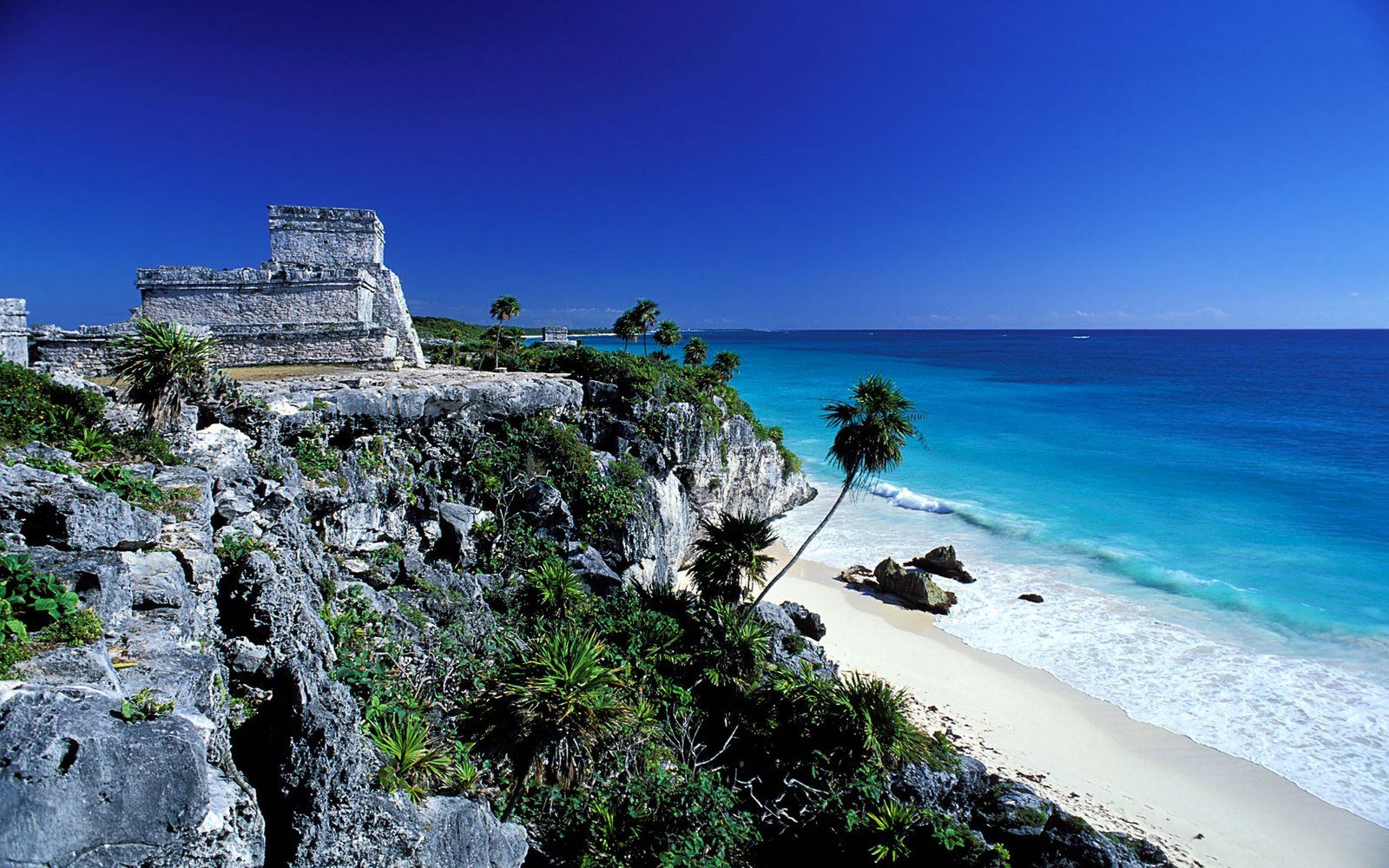
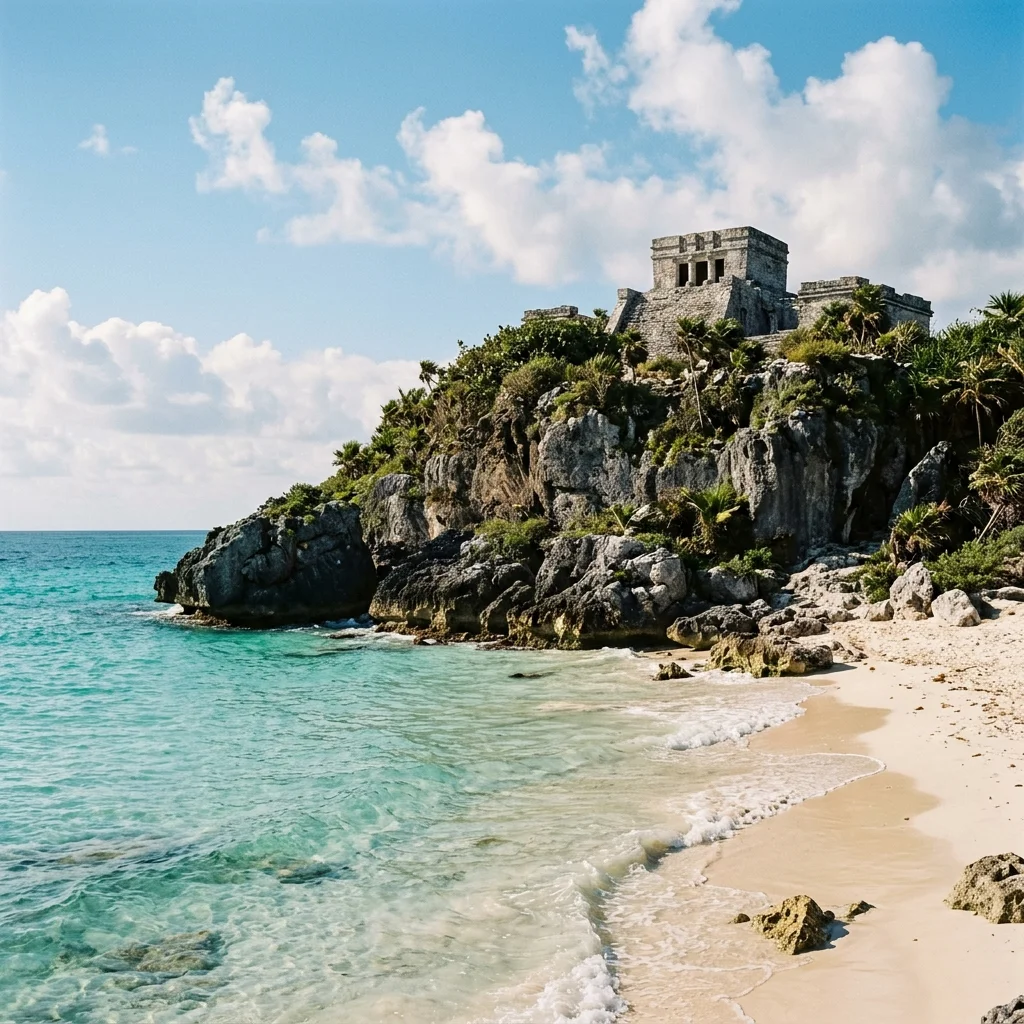
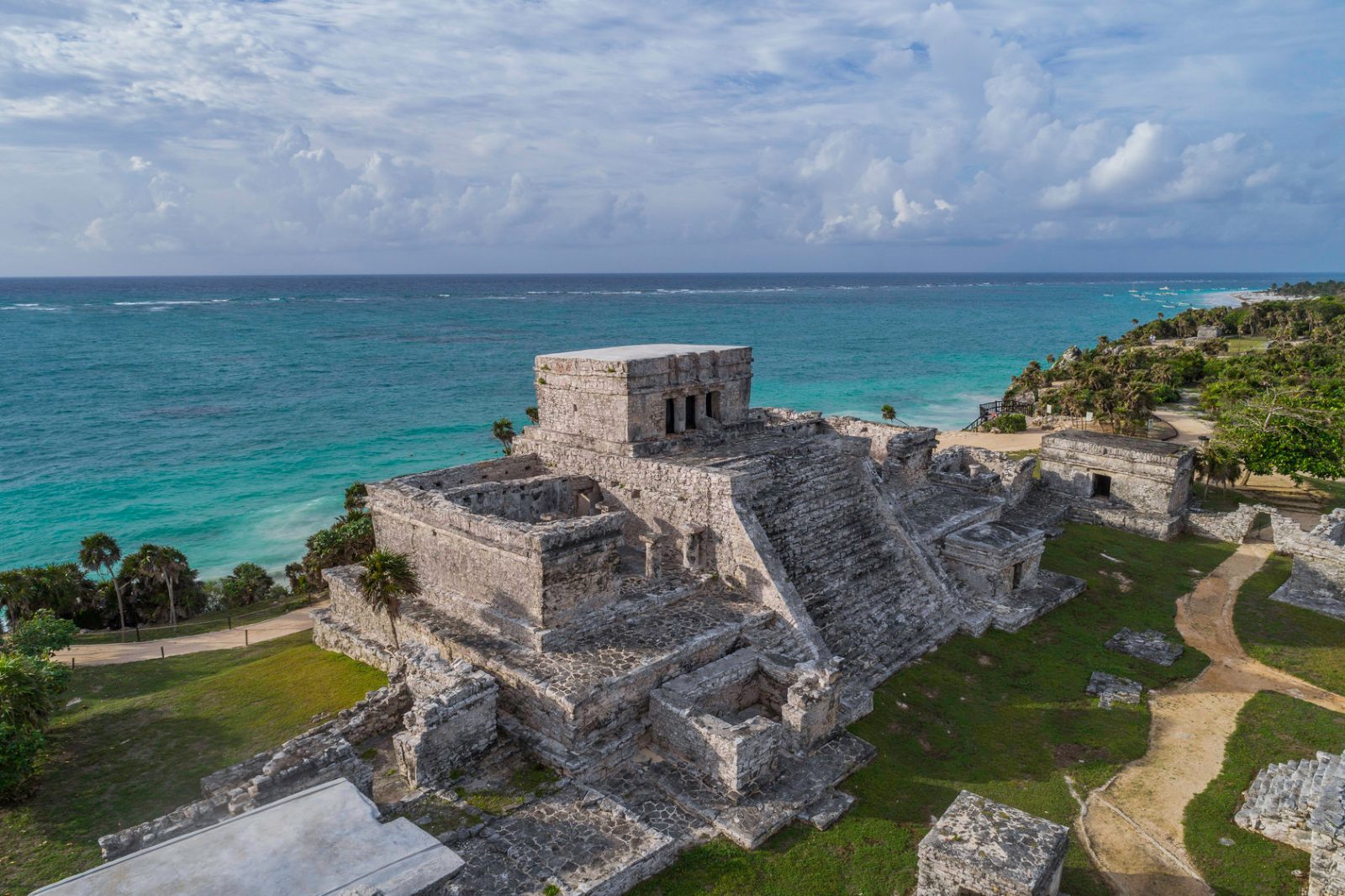
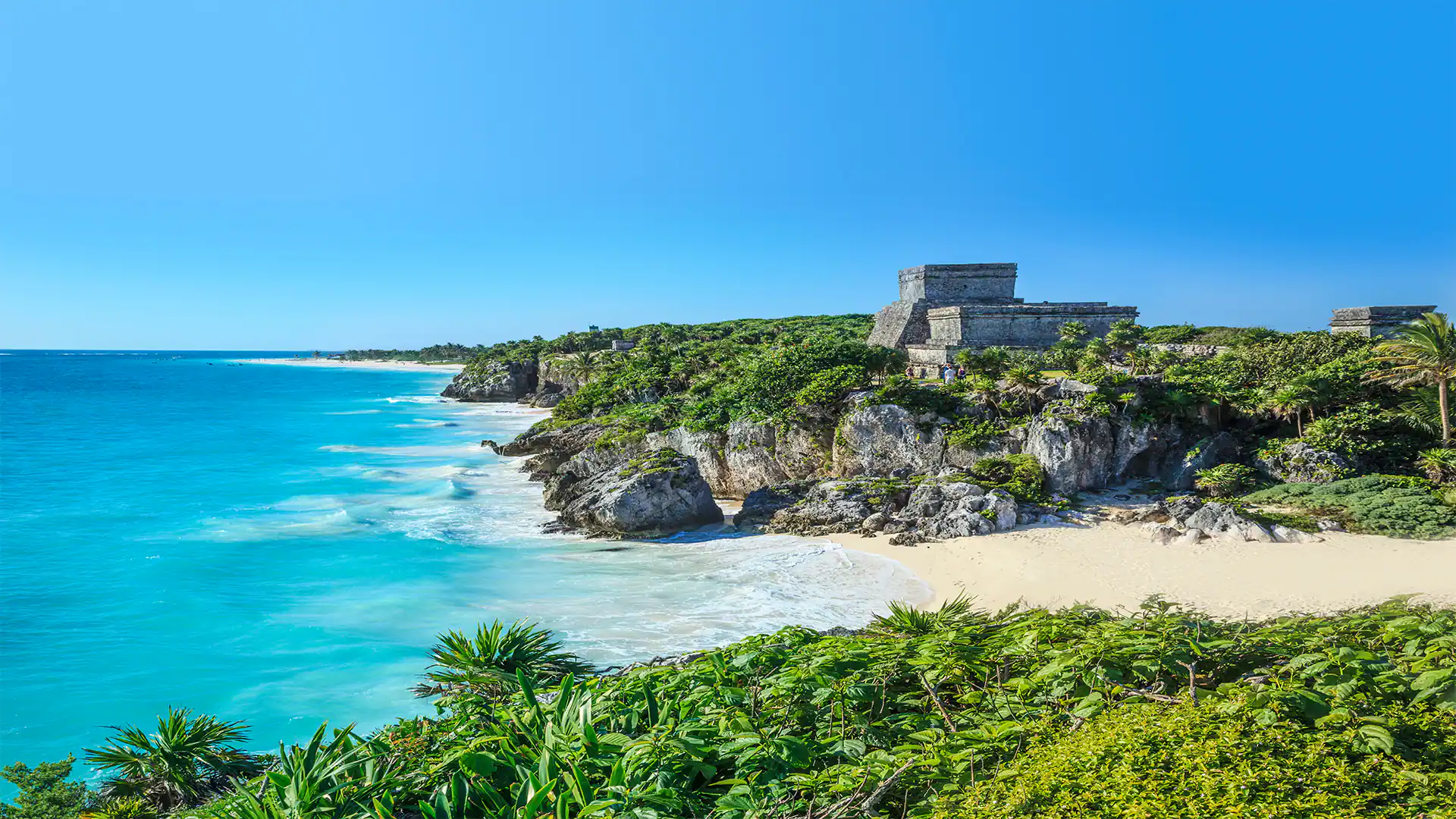
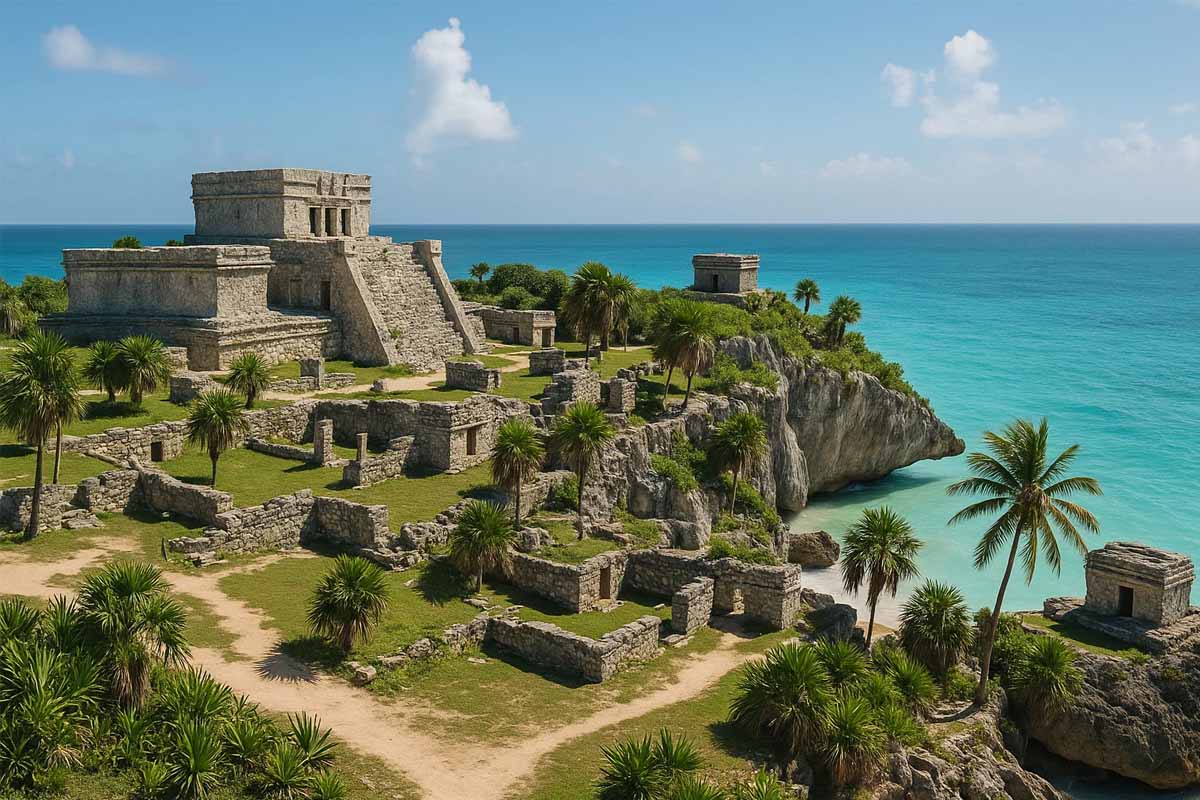
The site's tallest structure sits atop a 12-meter limestone cliff overlooking the Caribbean Sea and likely served as both a temple and a navigational landmark for Maya sailors. Its elevated platform offers the clearest view of the coastline within the entire complex.

Temple of the Frescoes

Temple of the Frescoes

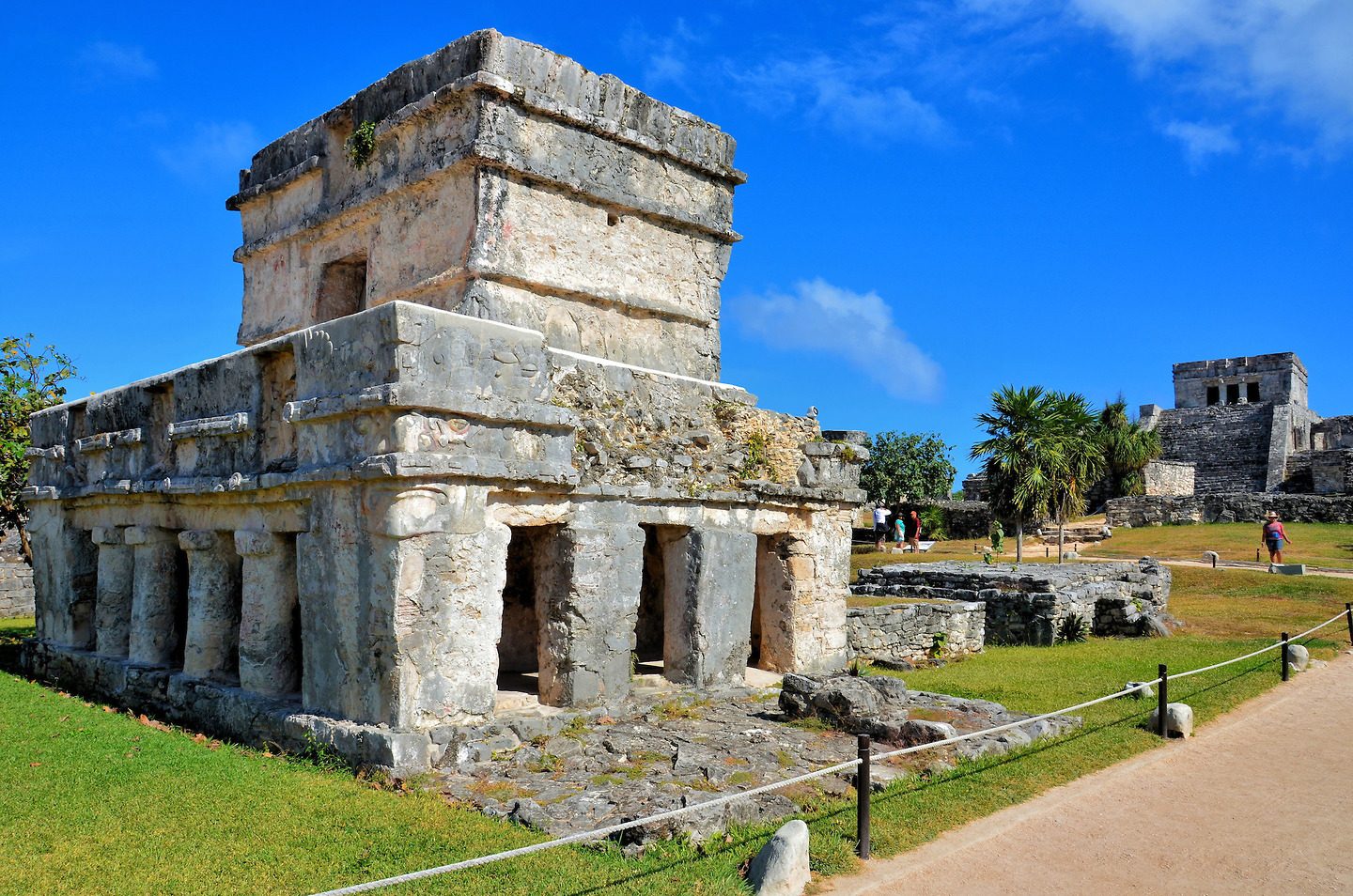
This structure houses well-preserved interior murals depicting Maya deities and cosmological scenes, painted primarily in blue, red, and black pigments. Public access is limited to viewing from outside the roped perimeter to protect the fragile artwork.

Temple of the Descending God

Temple of the Descending God

Named for the carved figure above its entrance depicting an inverted deity, this small temple is one of several structures in Tulum featuring this distinct diving-god motif. Similar carvings appear on structures elsewhere in the Maya region, linking Tulum to broader trade and religious networks.

House of the Halach Uinic

House of the Halach Uinic

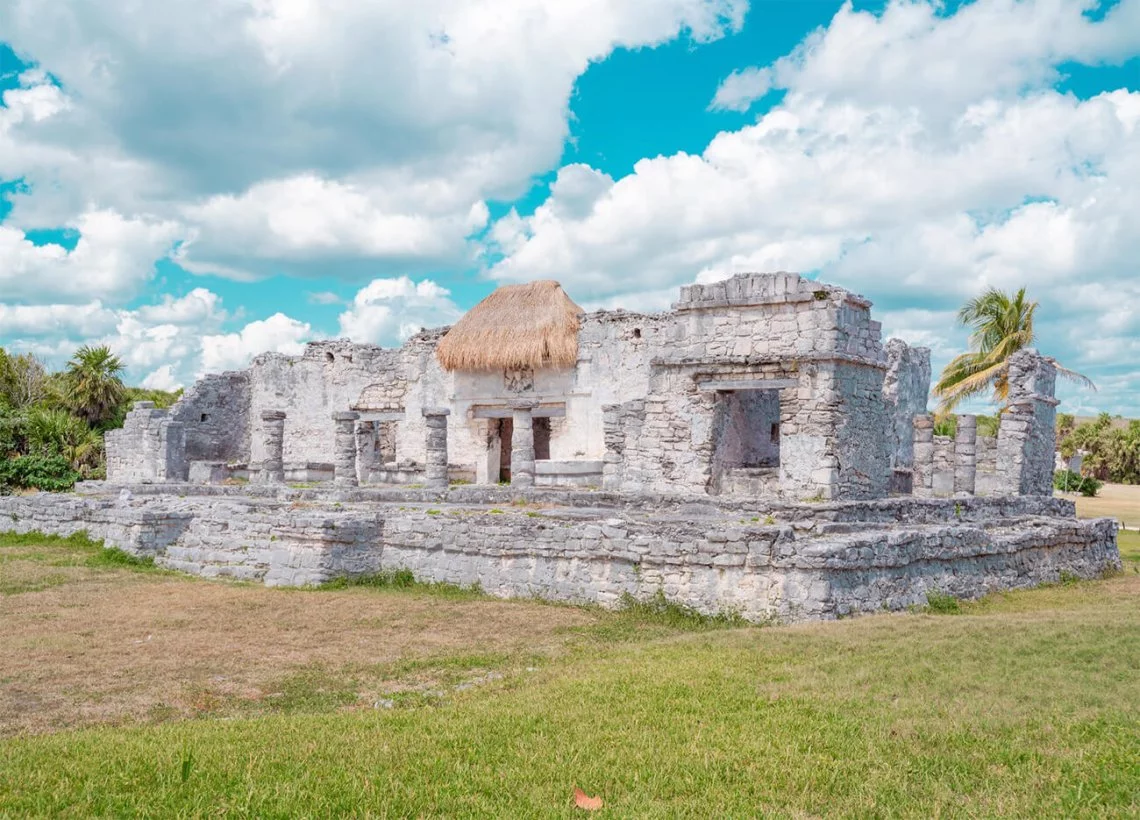
This structure is believed to have been the residence of Tulum's ruling elite, positioned near the site's central plaza. Its layout reflects the settlement's role as a fortified administrative and trading center around the 13th to 15th centuries.

City Wall and Watchtowers

City Wall and Watchtowers

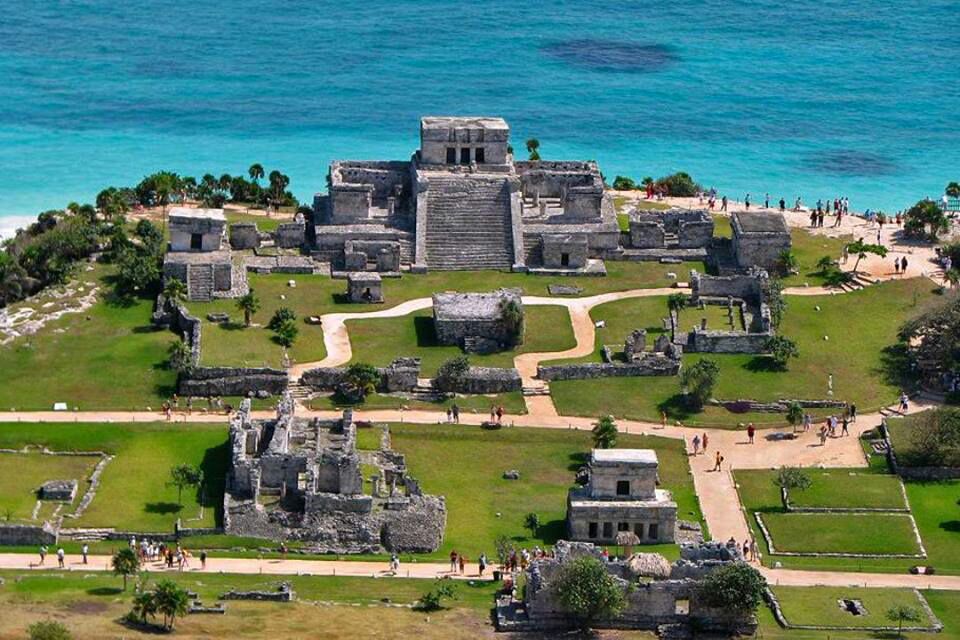
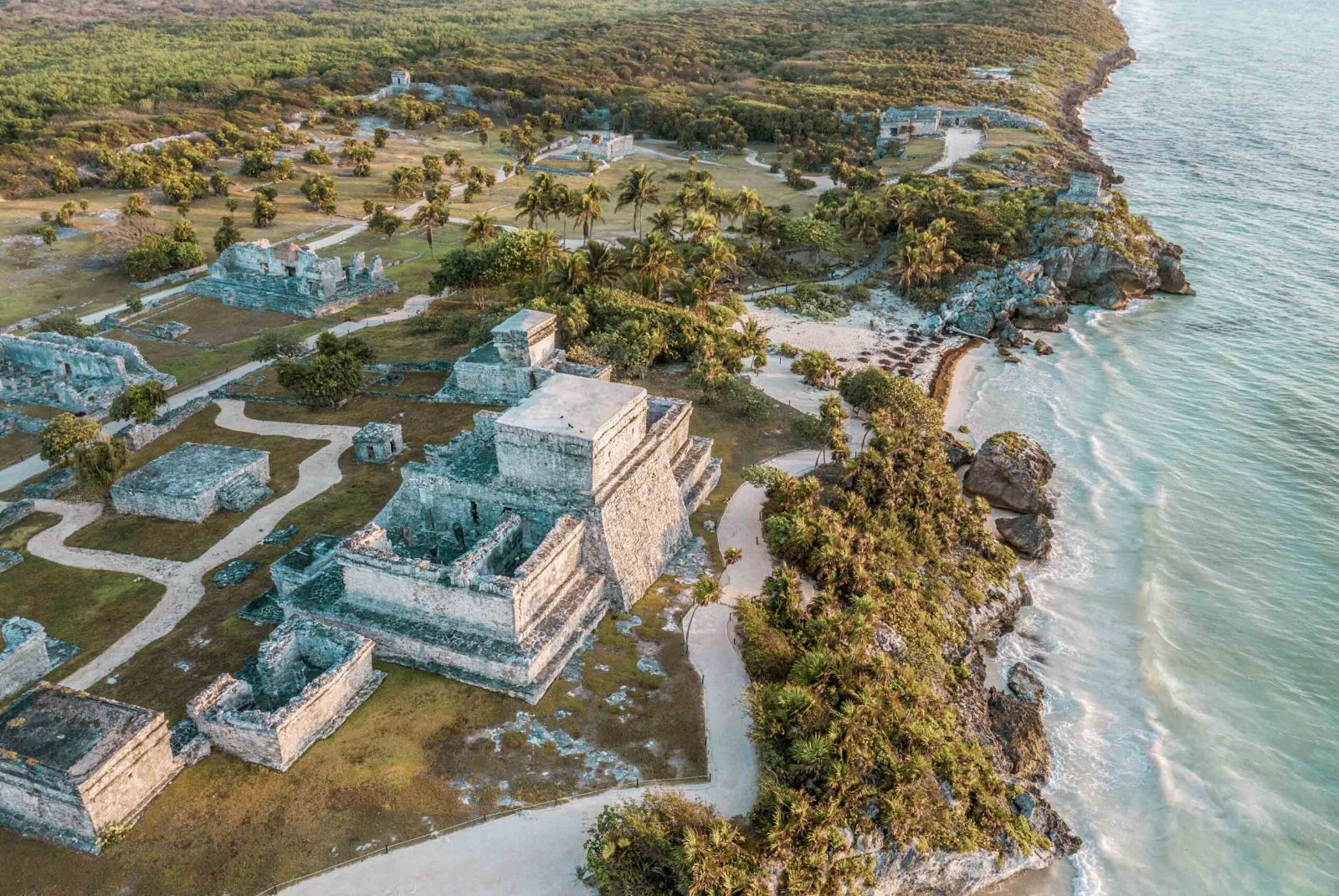
Tulum is one of the few Maya coastal sites enclosed by a defensive wall, measuring roughly 400 meters along its longest side, with small watchtower structures at several corners. The wall separated the ceremonial core from the surrounding settlement.

Beach Cove Access Point

Beach Cove Access Point

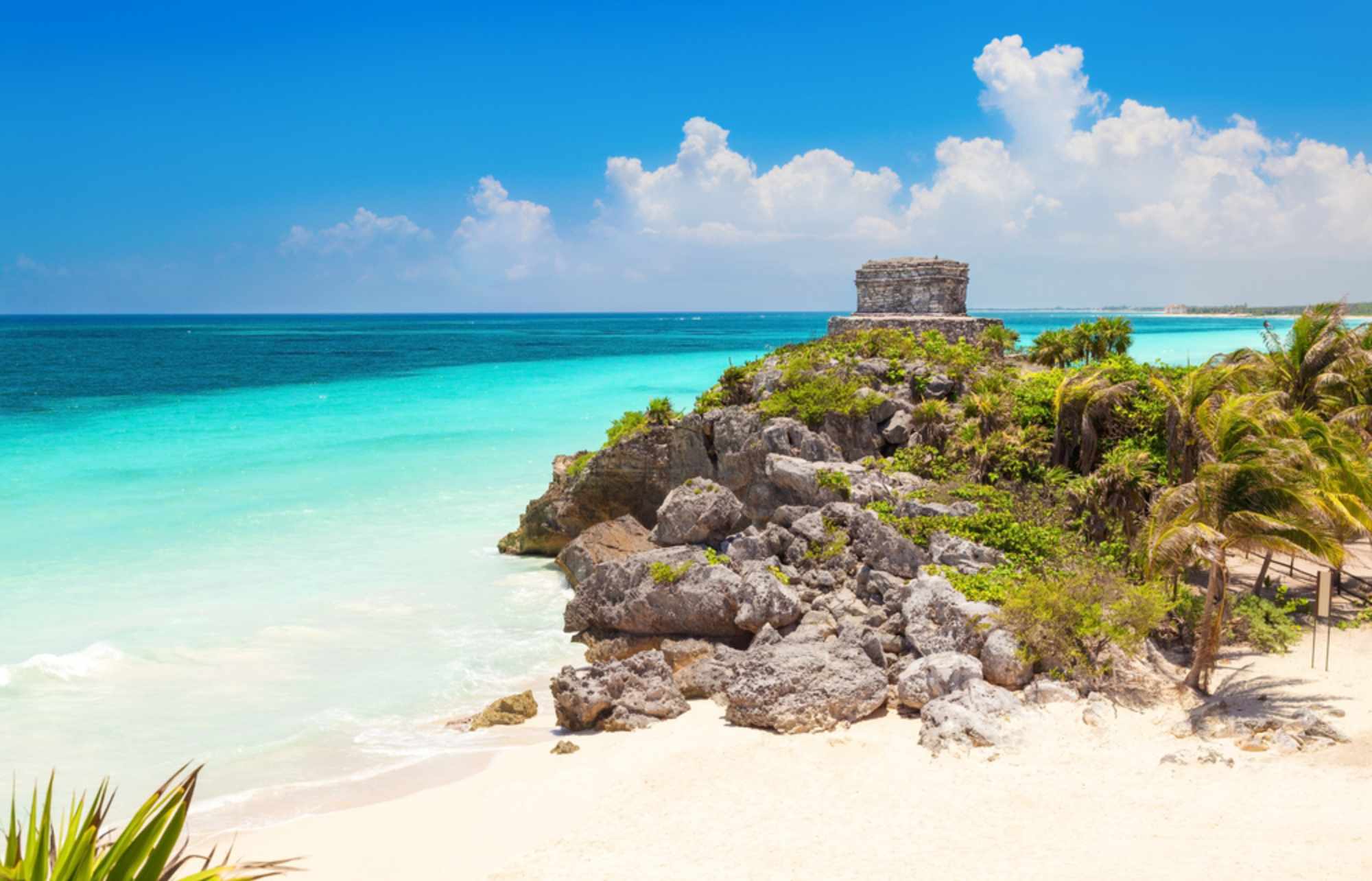
A wooden staircase descends from the cliffside ruins to a small sheltered beach, one of the only spots along this stretch of coast where visitors can swim directly beside a Maya archaeological site. The cove sits between rocky outcrops that historically helped shelter Tulum's ancient harbor.

The experience

What visiting Tulum Ruins Tour From Cancun is really like

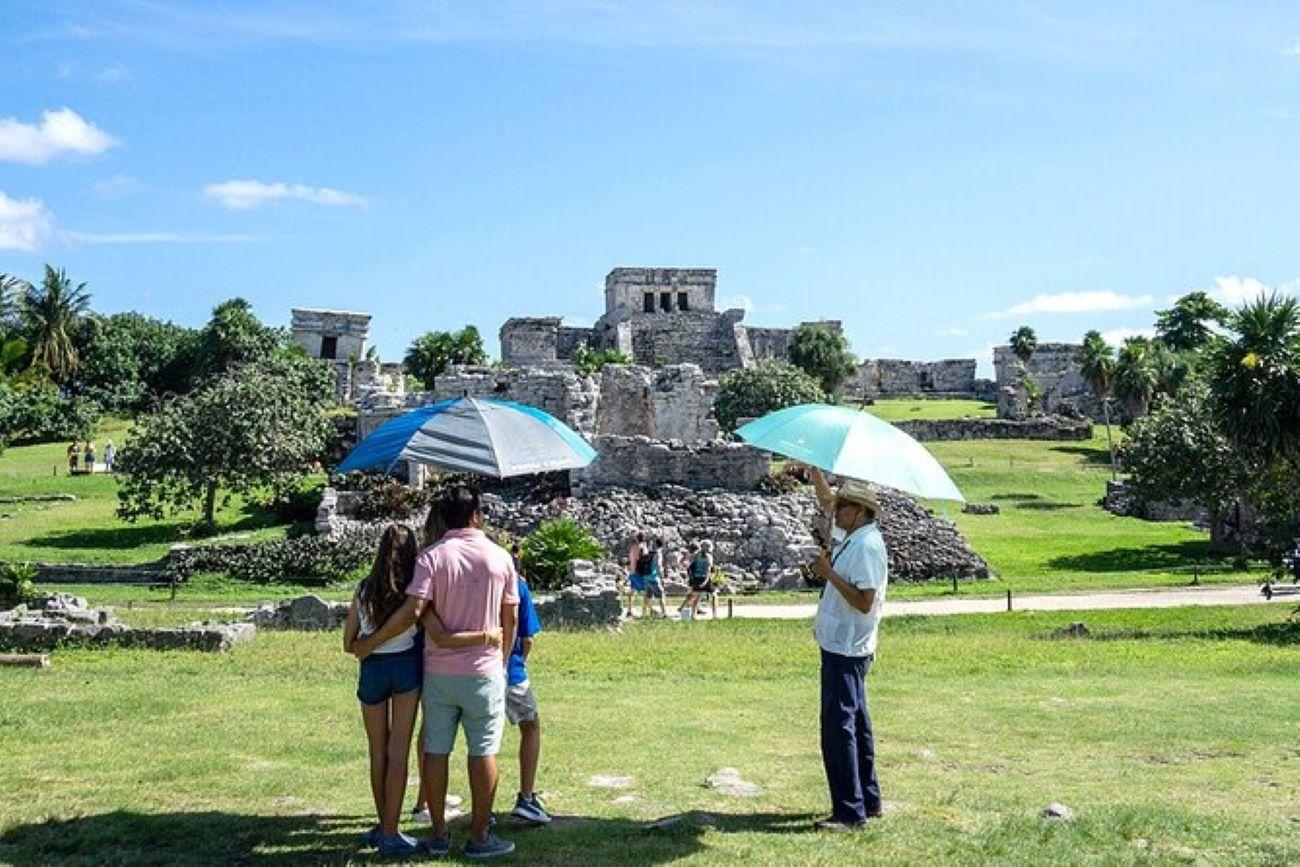
You board an air-conditioned coach in Cancún's Hotel Zone at 07:30, joining a group of twenty as the guide distributes bottled water and reviews the day's itinerary. The highway south passes cenote signs and roadside fruit stands before the vehicle turns into Tulum's parking area ninety minutes later.

Read more Show less

You walk through the main gate, then follow a paved path beneath kapok trees until the grey stone walls of the walled city appear against the turquoise horizon.

Your guide pauses at El Castillo, explaining how priests used the temple's eastern windows to track equinox sunrises, then leads you past the Temple of the Descending God — its carved figure frozen mid-dive above the doorway. You photograph the view from the cliff edge, where waves break over coral forty feet below, then descend wooden stairs to the beach cove for twenty minutes of free time. Some wade into the shallows; others rest in the palm shade. At 11:00 the group reconvenes for the return walk, stopping briefly at the frescoes' faded glyphs before exiting to the craft market. The coach departs at 11:45, reaching Cancún by 13:30.

Tulum Ruins Tour From Cancun
Everything You Need to Know

Your complete Tulum Ruins Tour From Cancun guide

All the details about your upcoming adventure in one place

The only major Maya city built on a Caribbean cliff, Tulum served as a thirteenth-century seaport controlling jade and obsidian trade routes along the Yucatán coast.

Its compact walled precinct — just 380 by 170 metres — housed an elite population of astronomers, merchants, and priests who tracked Venus cycles from El Castillo, the pyramid temple perched fifteen metres above white sand and reef-protected bays. Spanish chronicles from 1518 describe the settlement as still thriving, one of the last Maya centres to resist colonial incursion before abandonment in the late sixteenth century.

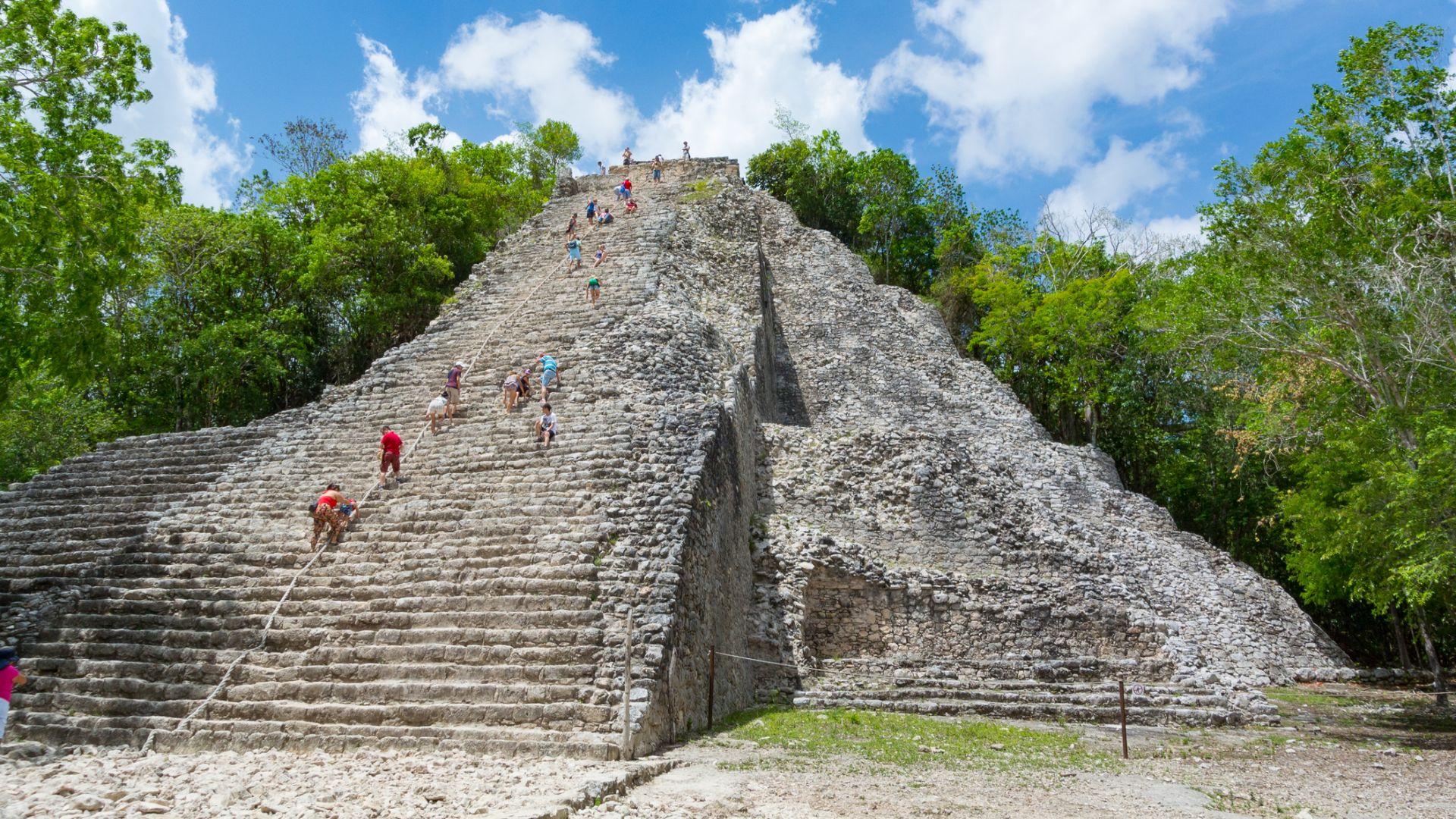
Today Tulum Archaeological Site draws visitors who combine pre-Columbian architecture with Riviera Maya beach access, a rare pairing in Mesoamerican archaeology. The site opens at 08:00, and tours from Cancun typically arrive between 09:30 and 10:30 after the ninety-minute southbound drive along Highway 307. Most packages pair the ruins with cenote swimming — karst sinkholes sacred to the Maya — or extend to nearby Cobá, where the Nohoch Mul pyramid offers the region's last climbable temple. The Tulum ruins tour from Cancun market has consolidated around half-day and full-day formats, with guided groups ranging from twelve to forty passengers.

Architecturally, Tulum reflects the Postclassic East Coast style: squat stone platforms, inward-sloping walls, and Temple of the Frescoes murals depicting the rain god Chaac in blue and red pigment. Unlike inland sites such as Chichén Itzá or Uxmal, Tulum prioritised defensive positioning over monumental scale — its seaward cliffs and landside walls enclosed a ceremonial core designed for maritime visibility. The site's compact layout allows a guided circuit in under ninety minutes, leaving time for the adjacent beach cove accessible via wooden stairs from the southern wall.

Conservation fees at Tulum Archaeological Site currently stand at 95 MXN per person, collected separately from tour operator charges. The federal Instituto Nacional de Antropología e Historia restricts visitor numbers during peak periods and prohibits climbing structures to prevent limestone erosion. As of 2026, the Tulum Maya Train station — part of the Tren Maya network — brings additional day-trippers from Cancún and Playa del Carmen, reinforcing the need for early-morning tour departures that avoid midday crowds and tropical heat.


The only major Maya city built on a Caribbean cliff, Tulum served as a thirteenth-century seaport controlling jade and obsidian trade routes along the Yucatán coast.

Dress code

Lightweight, breathable clothing is strongly recommended since the Tulum Archaeological Site sits on an exposed coastal bluff with almost no shade. Closed-toe walking shoes handle the uneven limestone paths better than sandals, and a hat plus sunglasses help against the strong reflected light off the Caribbean Sea.

Bags & security

Bags are subject to a visual check at the entrance gate, and INAH staff may ask visitors to open backpacks for inspection. Large suitcases and oversized bags are discouraged; a small backpack or daypack moves through security fastest.

Photography

Personal photography and video with handheld phones or cameras is permitted throughout the site at no extra charge. Tripods, drones, and any commercial or professional filming require prior written authorization from INAH, and drone use is generally not allowed without a special permit.

Families & strollers

Children move easily along the shaded entrance trail, though there are no railings along parts of the cliff edge so adults should keep young kids close. A cenote-adjacent beach cove near the ruins gives families a cooling break after the walk.

Accessibility

The main entrance path from the visitor center to the ruins is flat and partially paved, but the trail continues over natural limestone and sandy ground near the cliffs and beach. Wheelchair users can reach the main plaza area with assistance, though some of the narrower coastal paths and the beach staircase are not accessible.

Food & drink

Food and drinks other than water are not permitted inside the archaeological zone itself, and eating is restricted to the entrance plaza area outside the fenced ruins. Reusable water bottles are allowed and refill stations exist near the entrance, which matters given the lack of shade on site.

Not allowed

× Drones without permit × Tripods without permit × Large suitcases × Alcohol × Glass containers × Touching or climbing structures × Loud speakers or amplified audio × Pets other than service animals × Selfie sticks in crowded areas × Commercial filming equipment × Littering × Feeding iguanas or wildlife × Smoking inside the fenced zone

What to bring

✓ Reusable water bottle ✓ Sun hat ✓ Sunscreen ✓ Comfortable walking shoes ✓ Small day bag ✓ Cash in pesos for entry ✓ Swimwear for the beach cove ✓ Insect repellent

Opening hours

Mon 08:00 – 17:00
Tue 08:00 – 17:00
Wed 08:00 – 17:00
Thu 08:00 – 17:00
Fri 08:00 – 17:00
Sat 08:00 – 17:00

Busiest day, more tour buses

Sun 08:00 – 17:00

Quieter with fewer group tours

How to get there

At a glance

Hours

Daily 08:00–17:00 (last entry approx. 16:30)

Address

Zona Arqueológica de Tulum, Carretera Tulum-Boca Paila, 77780 Tulum, Quintana Roo

Accessibility

Paved main path; sandy and uneven sections near the cliffside and beach access

Sun exposure

Little shade; open coastal terrain, strongest UV 11:00–15:00

Storage

No formal cloakroom; carry only a small day bag through the site

Getting there

Car · 1h 45m · Parking around 100 MXN

Drive south from Cancun on Highway 307 for roughly 130 km, following signs for Zona Arqueológica; a paid parking lot sits near the visitor center.

Public transport · 2h–2h30m · Bus fare around 200–260 MXN

ADO buses run from Cancun's downtown terminal to Tulum town, then a short taxi or colectivo covers the final stretch to the ruins entrance.

Taxi · 10–15 min from town · Around 100–150 MXN

Taxis from Tulum town center to the archaeological site take a few minutes along the coastal road.

Bike · 20–25 min from town · Bike rental around 150–250 MXN/day

Tulum town rents bicycles, and a dedicated bike path runs along the coastal road to the ruins entrance.

Cancellation policy

Most Cancun-based tour bookings allow free cancellation up to 24 hours before departure for a full refund; the 95 MXN INAH admission fee is included in guided packages and is non-refundable once paid on-site. Check the specific operator's cutoff at booking, since some sunrise or small-group departures require 48-hour notice.

Plan your time

How Long You Need for a Tulum Ruins Tour From Cancun

Recommended time

60-90 minutes

A standard tulum ruins tour from cancun typically requires 60 to 90 minutes on-site to explore the limestone structures and coastal cliffs. Travelers booking tulum ruins tour from cancun tours should anticipate a significant influx of visitors by mid-morning as bus groups arrive, making early arrival essential. If you secure your tulum ruins tour from cancun tickets for the morning, you can complete the walk through the archaeological zone before the peak midday heat and the largest crowds of the day.

Crowd levels through the day

08:00–09:30 Light
09:30–11:30 Moderate
11:30–14:00 Heavy
14:00–17:00 Moderate
Plan ahead

Best time to visit Tulum Ruins Tour From Cancun

Weather · crowds · average price — dots go green to amber to red as each metric rises.

Winter (Dec–Feb)

Peak tourist season with cooler, drier weather around 24–27°C; expect the largest crowds and tour bus volume of the year.

Spring (Mar–May)

Warm and increasingly humid with temperatures near 28–32°C; Semana Santa in late March or April brings a sharp spike in domestic visitors.

Summer (Jun–Aug)

Hot and humid with frequent afternoon showers; cruise ship days can still bring large midday crowds despite the heat.

Autumn (Sep–Nov)

The current low season, with September and October seeing the fewest visitors of the year but higher chances of tropical rain and occasional storm activity.

Insider tips

Helpful tips for visiting Tulum Ruins Tour From Cancun

Wear reef-safe sunscreen

The site sits directly on the coast, and standard sunscreen runoff affects the water and marine life near the beach cove.

Carry small pesos

Entry, parking, and vendor stalls near the visitor center often prefer cash over card, so keep small bills on hand.

Watch footing near cliffs

Several viewpoints have no railing along the coastal edge, so keep a firm footing on the limestone paths, especially after rain.

Mind the iguanas

Iguanas roam freely around the ruins and should not be touched or fed despite being common in photos.

Use the beach cove wisely

The small staircase down to the cove beach can get crowded quickly since it is the only swimming access point inside the site.

Check vendor stall pricing

Souvenir prices near the exit are generally negotiable, unlike the fixed INAH admission fee.

Where to meet

Tulum Ruins Tour From Cancun meeting points

Tulum visitor center

Tulum visitor center

Carretera Tulum-Boca Paila, 77780 Tulum, Quintana Roo

Main entrance gate where guided tour groups typically assemble

Get directions

Parking area shuttle stop

Access road off Carretera Tulum-Boca Paila

Shuttle drop-off point roughly 800m walk from the entrance gate

Get directions
The story

The History Behind a Tulum Ruins Tour From Cancun

Tulum emerged as a fortified Maya city during the late Postclassic period, around 1200 CE, when most inland ceremonial centers had already declined. The settlement occupied a strategic cliff-top position overlooking the Caribbean, protected on three sides by sea and on the landward side by a limestone wall averaging five meters high and stretching 380 meters. This defensive perimeter enclosed a core zone of approximately 6.5 hectares, while outlying residential zones sprawled beyond the fortifications. Archaeologists believe Tulum served primarily as a maritime trading hub, facilitating exchange between Yucatecan Maya and coastal settlements as far south as present-day Honduras. El Castillo, the site's most prominent structure, rises 7.5 meters above the cliff edge and likely functioned as both temple and navigational aid. Two small windows on the western facade align to create a narrow light path that guided canoes through the offshore reef gap, making the building a practical lighthouse in an era when maritime commerce sustained regional economies. The Temple of the Frescoes, constructed in multiple phases between 1400 and 1450 CE, preserves layered murals depicting Maya cosmology and agricultural deities, including a rare stucco figure of the descending god—a motif unique to Tulum and nearby coastal sites. These frescoes reveal contact with central Mexican cultures, evidenced by stylistic elements borrowed from Mixtec codex traditions. Spanish accounts from Juan Díaz in 1518 describe Tulum as a thriving settlement "as large as Sevilla," though this comparison likely exaggerated the city's scale. By the time of sustained Spanish incursions in the 1540s, Tulum's population had already begun to disperse, victims of introduced diseases and disrupted trade networks. The site was entirely abandoned by the end of the 16th century. It remained obscured by jungle until 1843, when John Lloyd Stephens and Frederick Catherwood documented the ruins, providing the first systematic descriptions to reach European and American audiences. Modern conservation efforts began in 1938 under Mexico's Instituto Nacional de Antropología e Historia, and tulum ruins tour from cancun operations commenced in earnest after the coastal highway opened in 1972, transforming an isolated archaeological zone into one of Quintana Roo's most visited landmarks.

c. 1200 CE

Tulum founded as fortified coastal trading port during Maya Postclassic period

1400–1450

Temple of the Frescoes constructed with polychrome murals depicting agricultural deities

1518

Spanish expedition led by Juan Díaz records Tulum as large inhabited settlement

Late 1500s

City abandoned following Spanish contact and epidemic disease

1843

Explorers Stephens and Catherwood publish first detailed descriptions of ruins

1938

Mexican government begins formal archaeological conservation under INAH

1972

Coastal highway completed, enabling tulum ruins tour from cancun tours to expand

2026

Site receives over two million visitors annually from Cancun corridor

Photo spots

Best Photo Spots on a Tulum Ruins Tour From Cancun

El Castillo from the Beach Cove

El Castillo from the Beach Cove

Best light · Golden hour, 08:00-09:30 arrival

The classic shot: El Castillo perched on its limestone cliff with the small sand cove and turquoise water in the foreground. Stand on the beach access point below the main platform, angling upward to catch the temple against the sky. Access to the cove itself can close if surf is rough, so check the roped-off signs first.

Gallery

Moments from Tulum Ruins Tour From Cancun

With kids

Family Tips for a Tulum Ruins Tour From Cancun

A tulum ruins tour from cancun works well with kids since the site is compact and set right along the coastline, but the limestone paths are uneven and shade is scarce, so pacing matters more than distance.

Best ages

Children around 5 and up handle the walk comfortably; toddlers can go too if carried, since the terrain has sandy stretches and low stone steps that are tricky for little legs.

Pacing

Plan on 60-90 minutes at the ruins themselves before energy dips, especially midday heat; a half-day tulum ruins tour from cancun tour keeps things manageable, while a full-day option combining the ruins with a cenote swim gives kids a cooldown reward partway through.

Cenote combo

Booking a tour that pairs the archaeological zone with a cenote stop breaks up the visit naturally: ruins first while everyone's fresh, then swimming to reset before the drive back to Cancun.

Facilities

Restrooms and a shaded market area sit near the entrance, useful for a break before or after the walk; there's little shade once inside the site itself, so bring hats and water.

Rainy-day plan

Light rain doesn't close the site, but the limestone paths get slick, so budget extra time and skip the cliffside edges with younger kids.

Energy management

Split snacks and water breaks around the walk rather than saving them for the end, since there's no shaded seating deep inside the site to recover once kids flag.

Food & drink

Where to Eat After a Tulum Ruins Tour From Cancun

Dining options near the archaeological site are limited, making a tulum ruins tour from cancun best paired with meals in the nearby town center or beach zone. While many day-trip packages include a buffet lunch, independent travelers will find better variety after exiting the limestone cliffs of this ancient Mayan landmark.

El Mariachi Tulum

$$

Town center eatery

Located a short drive from the site, this spot offers traditional Mexican plates and cold drinks. It serves as a reliable stop for those needing a substantial meal after their tulum ruins tour from cancun tour.

Restaurant Las Estrellas

$$$

Hotel zone bistro

Situated along the beach road, this venue provides a relaxing atmosphere with Caribbean views. Visitors with flexible tulum ruins tour from cancun tickets often head here to enjoy fresh seafood after exploring the coastal architecture.

Cafeteria at the Entrance

$

On-site kiosk

This quick-stop option provides snacks and beverages for visitors who need immediate refreshment. It is convenient for a brief energy boost before finishing your tulum ruins tour from cancun tours.

FAQ

Tulum Ruins Tour From Cancun — frequently asked questions

Everything you need to know for your journey

Around the corner

More to see near Tulum Ruins Tour From Cancun

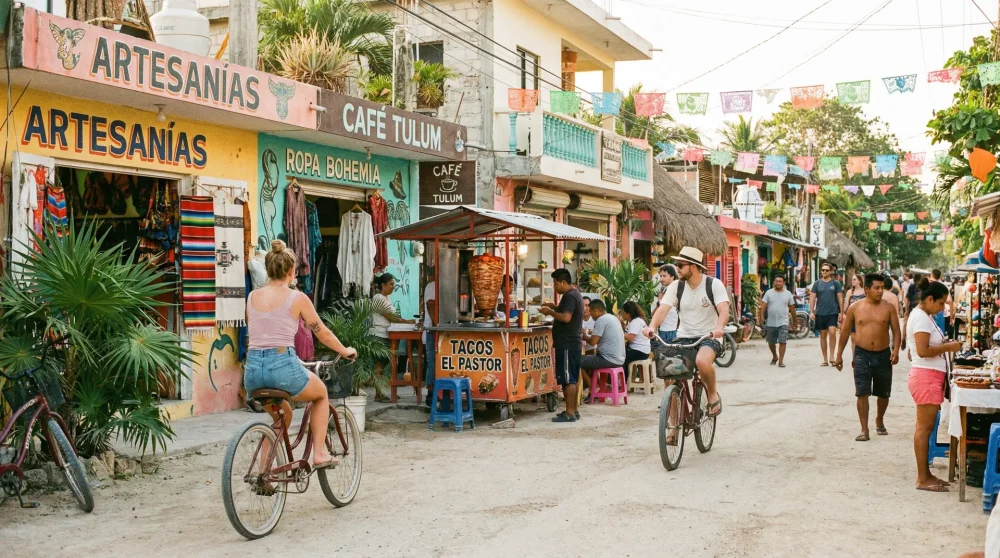
Tulum Pueblo

Tulum Pueblo

10 min drive

square

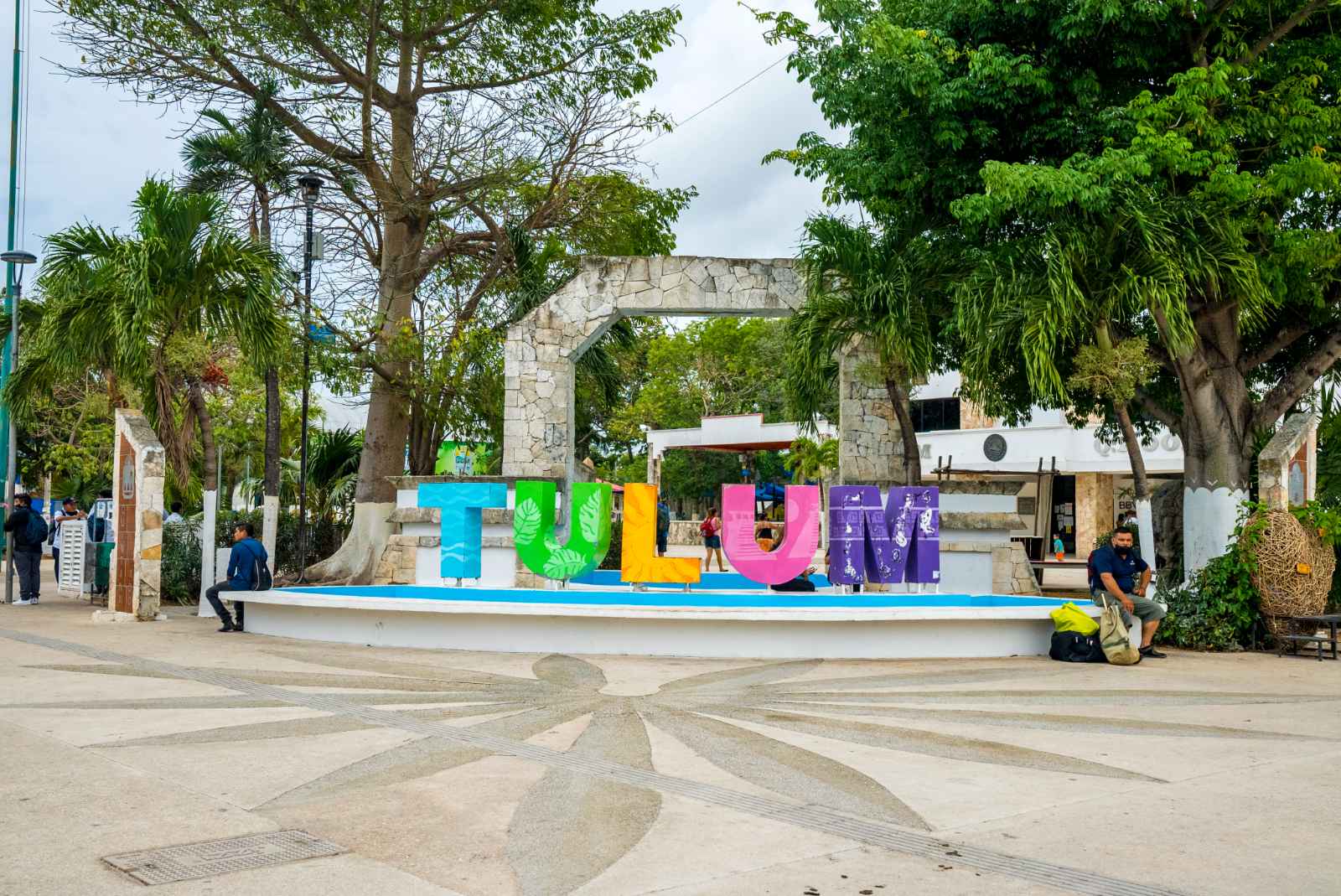
The town center near the ruins has a central plaza lined with shops and murals reflecting local Maya and coastal culture.

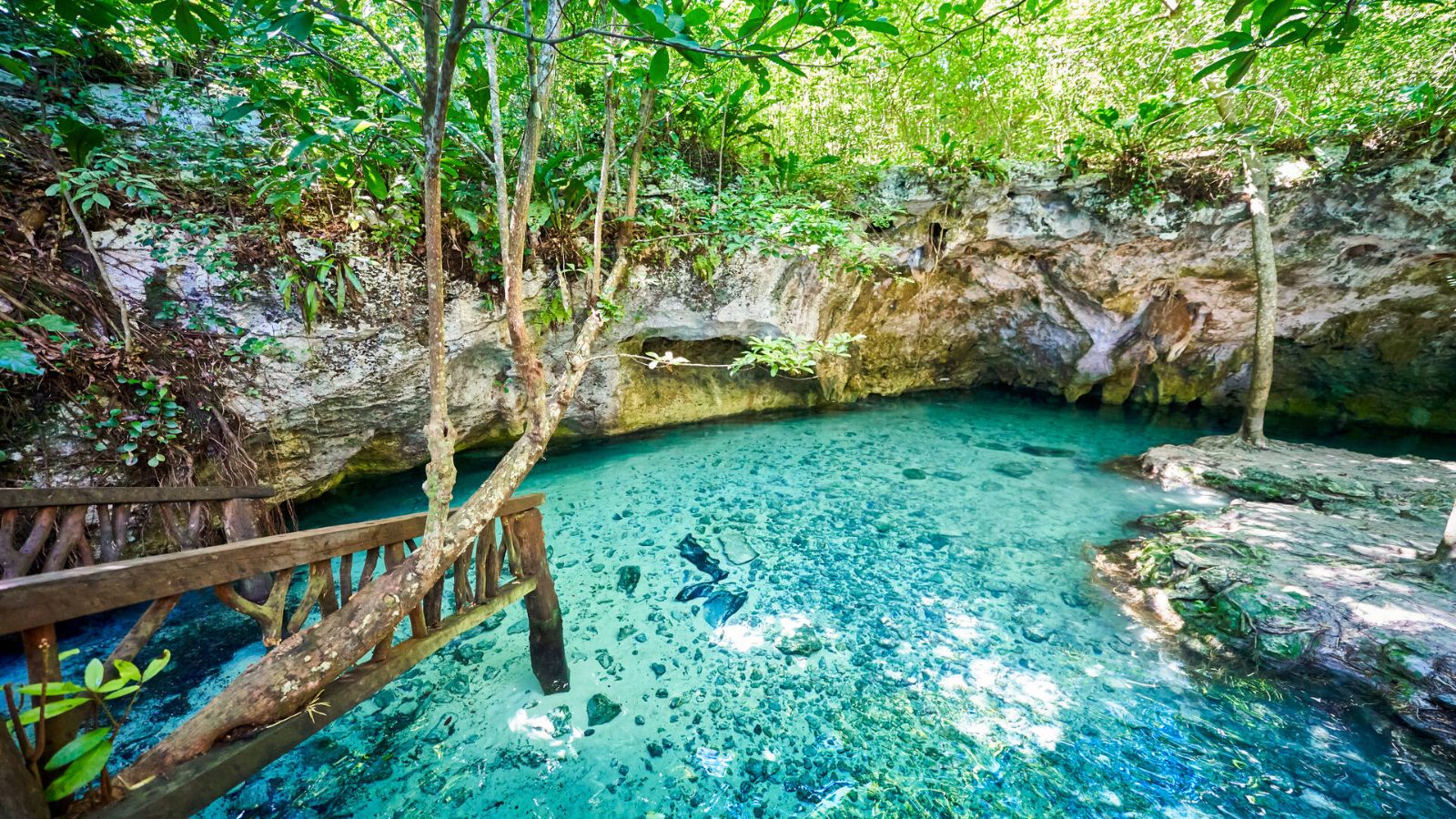
Gran Cenote

Gran Cenote

10 min drive

landmark

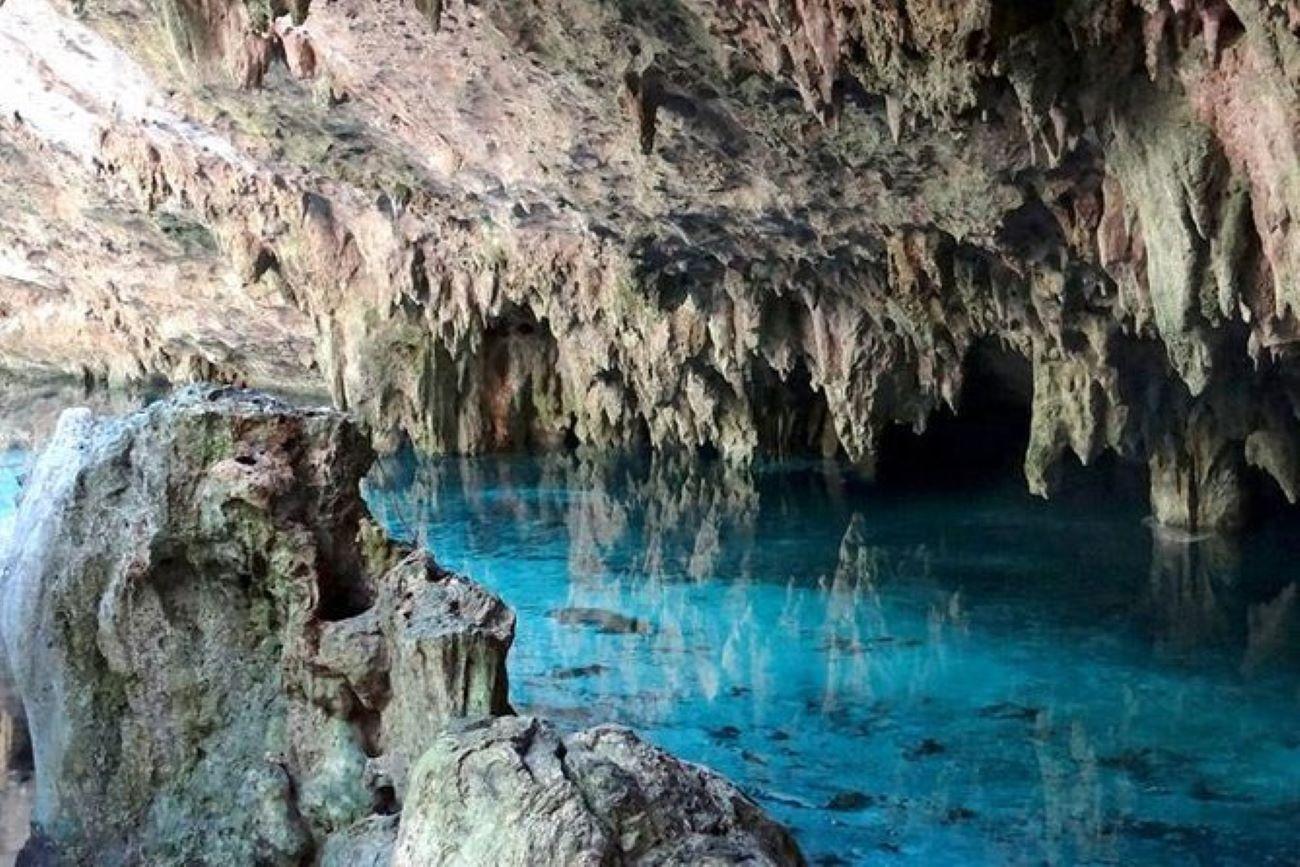
A limestone sinkhole popular for snorkeling and swimming, with clear freshwater and visible stalactite formations.

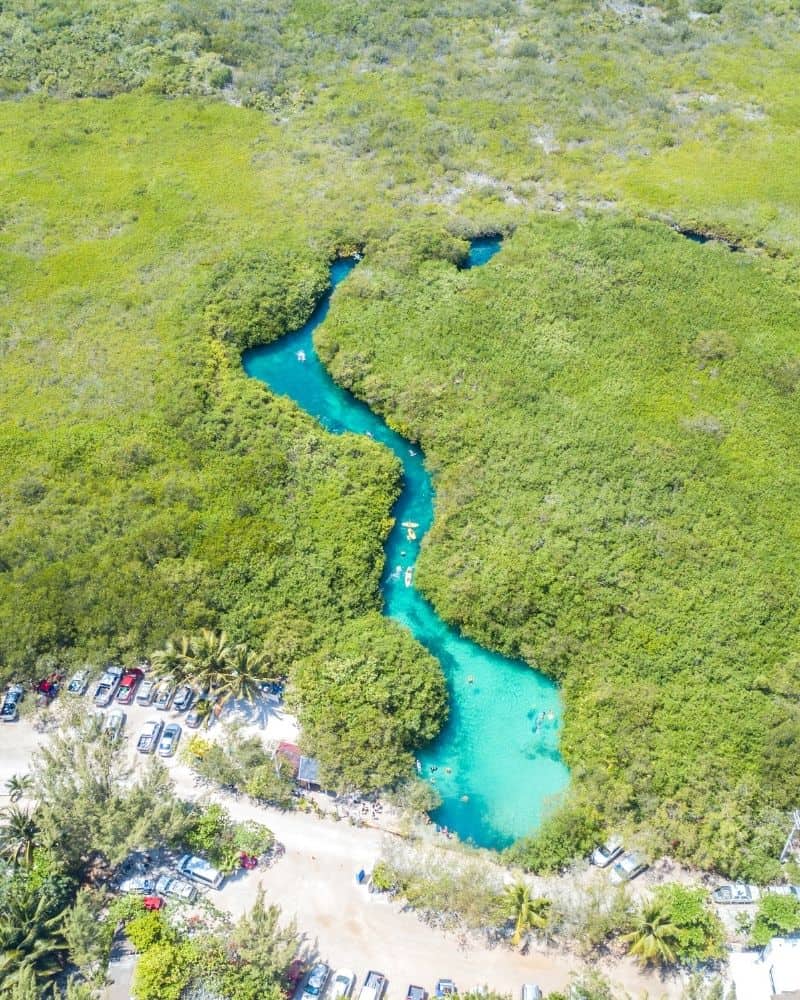
Casa Cenote

Casa Cenote

15 min drive

landmark

An open-air cenote connected to the sea, known for mixing fresh and saltwater and for occasional turtle sightings.

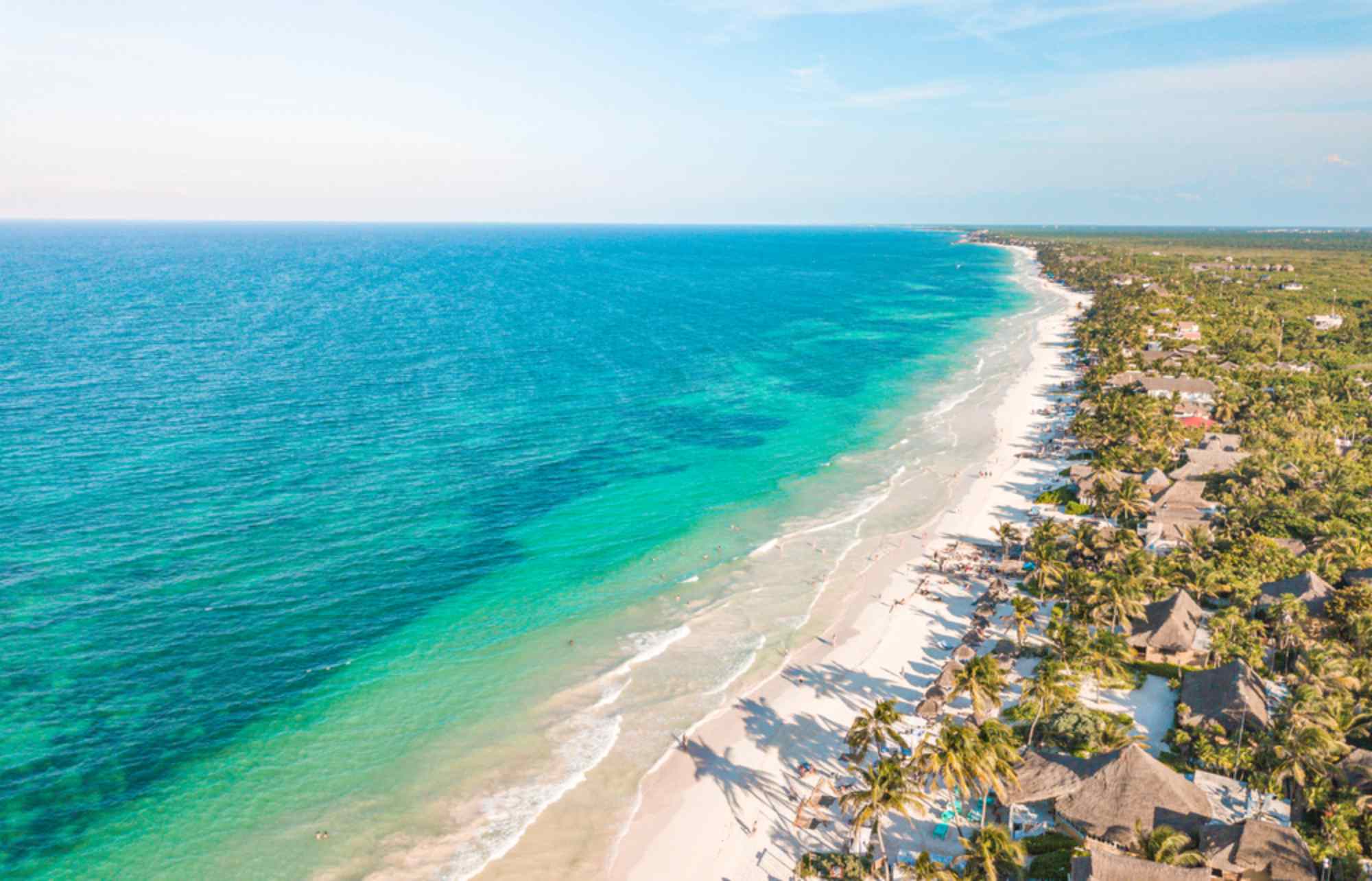
Tulum Beach Zone

Tulum Beach Zone

5 min drive

park

A long stretch of white-sand coastline south of the ruins lined with beach clubs and coastal vegetation.

Where to stay

Where to stay near Tulum Ruins Tour From Cancun

Tulum Hotel Zone

Tulum Hotel Zone

10 min drive

boutique

A strip of beachfront boutique hotels along the coastal road south of the ruins, several with direct beach access.

Tulum Pueblo district

Tulum Pueblo district

10 min drive

mid-range

The town center offers a wide range of mid-range hotels and guesthouses within walking distance of restaurants.

Akumal district

budget

A fishing-village-turned-resort area north of Tulum with more budget-friendly lodging near the beach.

Ready for Adventure?

Join thousands of happy travelers who have discovered this incredible experience

Book Your Experience Now