English| EUR
Suggested for you
More currencies
Book Now
Open today · 08:00 – 17:00

Tulum Ruins Boat Tour

Tulum Ruins Boat Tour — Clifftop Temples & Waterside Entry

Arrive by sea where Maya traders once landed, clifftop pyramids rising above turquoise water

50K+ travelers chose this
Free Cancellation
Right now: Moderate — early autumn shoulder season Midday heat builds fast; bring water and sun protection
Free Cancellation
Free cancellation Instant confirmation Mobile voucher Verified partner Skip-the-line
90 MXN
Entrance fee
INAH admission per person
08:00
Opening time
Daily, best before 09:30
12 m
Cliff height
Above the Caribbean Sea
600+ yrs
Site age
Built 13th–15th century Maya
08:00–09:30
Best arrival
Cooler, fewer crowds
Choose your ticket

Tulum Ruins Boat tickets at a glance

Compare fares, pick the fit — all bookings are mobile-voucher and eligible for free cancellation where shown.

Tulum Ruins & Twin Cenotes Half-Day Adventure 8 hr
Guided Experience

Tulum Ruins & Twin Cenotes Half-Day Adventure

4.4 (1166)
€24
  • Expert local guide
  • Small group
  • Skip-the-line access
  • Free cancellation
Book this ticket
Sian Ka'an Ancient Maya Canals & Lagoons Tour 8 hr
Guided Experience

Sian Ka'an Ancient Maya Canals & Lagoons Tour

4.8 (606)
€148
  • Expert local guide
  • Small group
  • Skip-the-line access
  • Free cancellation
Book this ticket
Compare options

Compare Tulum Ruins Boat ticket options

Experience DurationRatingPickupSkip-the-lineGuideSmall group Price
Guided Experience
Most popular
Chichén Itzá, Cenote & Valladolid Full-Day Tour
12 hr★ 4.6✓✓✓✓ €50 Book →
Guided Experience
Tulum Ruins & Twin Cenotes Half-Day Adventure
8 hr★ 4.4✓✓✓✓ €24 Book →
Guided Experience
Sian Ka'an Ancient Maya Canals & Lagoons Tour
8 hr★ 4.8✓✓✓✓ €148 Book →

Is the Tulum Ruins Boat Tour Worth It

Worth it if bundled with cenotes or coast

The 90 MXN INAH entrance fee for the archaeological zone itself is reasonable — you get clifftop temples framed by turquoise Caribbean views, walkable in 60–90 minutes. The real question is whether tulum ruins boat tour packages justify their premium. Standalone site visits work for budget travelers or history purists, but boat-cenote combos add swim stops and coastal perspectives that maximize a half-day. Tours like the Tulum Ruins & Twin Cenotes package pair the clifftop ruins with underground swimming, filling out the experience. The Sian Ka'an option trades ruin time for mangrove channels and lagoon wildlife — a different value if you prioritize nature over archaeology. Chichén Itzá day trips bundle Tulum as a secondary stop, stretching to 10+ hours but covering two UNESCO sites. For travelers staying in Playa del Carmen or Cancún, guided transport eliminates parking hassles and arrival timing guesswork. Solo explorers arriving at 08:00 can tour independently and still reach a cenote by midday, paying only the base 90 MXN and swim fees.

What makes it worth it

  • Clifftop Caribbean backdrop unlike inland ruins
  • 90 MXN base admission is affordable
  • Compact site tours in under two hours
  • Early morning visits beat tour bus crowds
  • Boat-cenote combos maximize coastal access

Keep in mind

  • Add-on tours triple the base cost
  • Midday heat and crowds diminish the experience
  • Limited shade along clifftop paths
  • Short visit time if ruins are your only interest

Bottom line: The tulum ruins boat tour tickets pay off when combined with cenote swims or coastal exploration — the standalone ruins visit is brief but scenically unmatched.

Head to head

Tulum Ruins Boat Tour vs Coba Ruins: Which Should You Choose

Most visitors who do both call Tulum the easier, faster stop and Coba the bigger jungle adventure — a tulum ruins boat tour pairs naturally with a Coba add-on rather than replacing it.

Top pick
Tulum Archaeological Site
Coba Archaeological Zone
What you approach Jungle pyramids around lagoons
Setting and views Dense jungle canopy and greenery
Crowd levels Lighter crowds, more spread out
Physical activity required Long walks or bike rental needed
Price 100 MXN entrance fee
Typical pairing with other stops Often combined with Tulum on day tours

Verdict: Choose Tulum for a quick, scenic coastal stop and Coba if you want a larger jungle site with more ground to cover and fewer crowds.

Featured Experiences

Popular Tulum Ruins Boat tours & activities

Hand-picked experiences loved by thousands of travelers

Recommended Experience

Powered by GetYourGuide

Another traveler favorite

Powered by GetYourGuide
Chichen Itza, Cenote & Valladolid Full-Day Adventure 12 hours Free Cancellation

Chichen Itza, Cenote & Valladolid Full-Day Adventure

Discover ancient Mayan wonders, swim in a jungle cenote, and explore colonial charm on this 12-hour journey

4.6 (377)
FromFrom €79.01
See details
Tulum Ruins, Cenote Mariposa & Playa del Carmen Day Trip 10 hours Free Cancellation

Tulum Ruins, Cenote Mariposa & Playa del Carmen Day Trip

Journey through ancient Mayan heritage, swim in a jungle cenote, and explore vibrant coastal streets

4.6 (446)
FromFrom €31.09
See details
Tulum Ruins, Cenote Swimming & Akumal Turtle Snorkeling Adventure 8 - 10 hours Free Cancellation

Tulum Ruins, Cenote Swimming & Akumal Turtle Snorkeling Adventure

Dive into cenote waters, snorkel with sea turtles, and explore ancient Mayan ruins on this full-day tour

4.6 (310)
FromFrom €75.79
See details
Tulum Reef Snorkeling Adventure with Turtles & Stingrays 2 hours Free Cancellation

Tulum Reef Snorkeling Adventure with Turtles & Stingrays

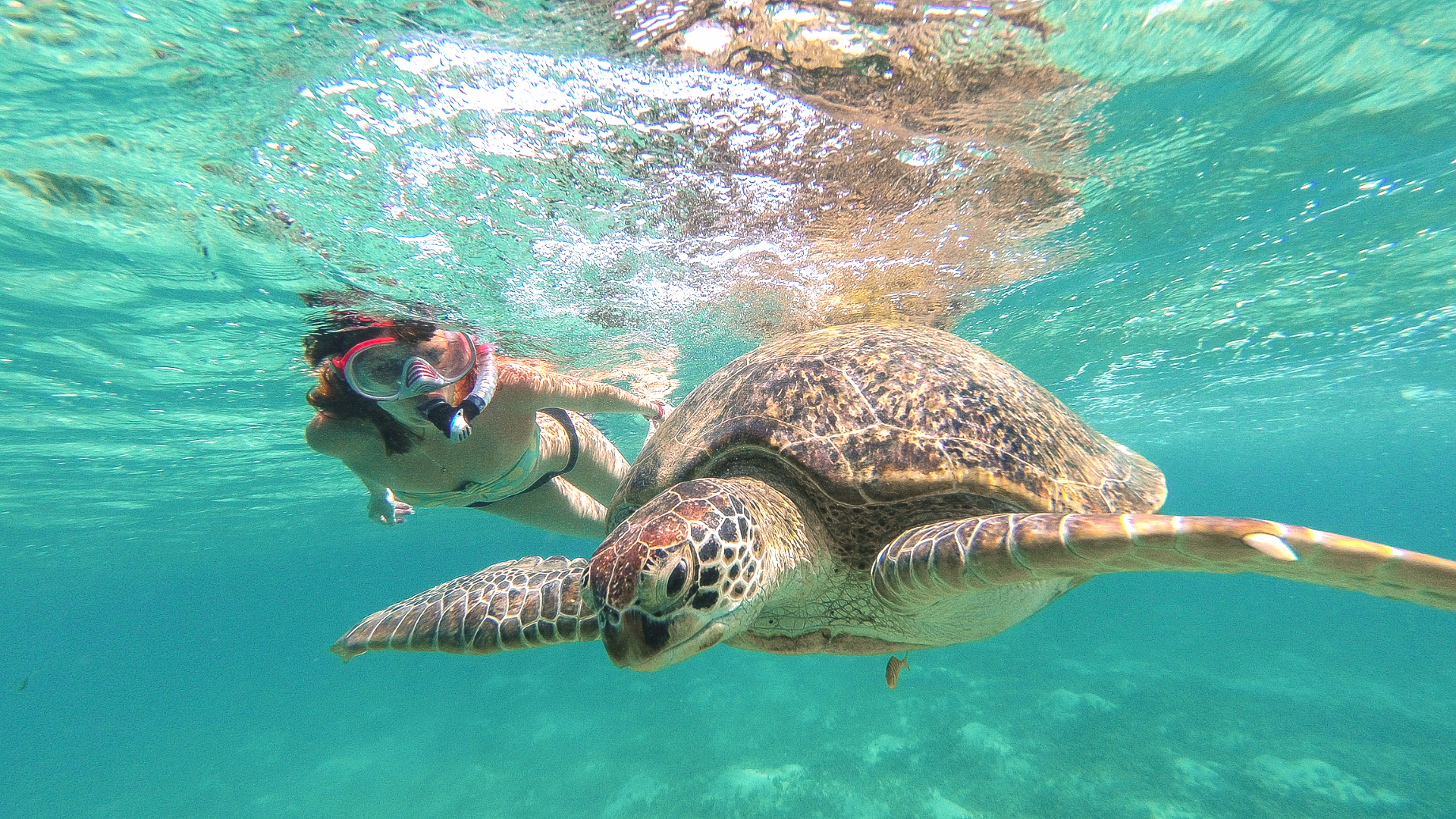
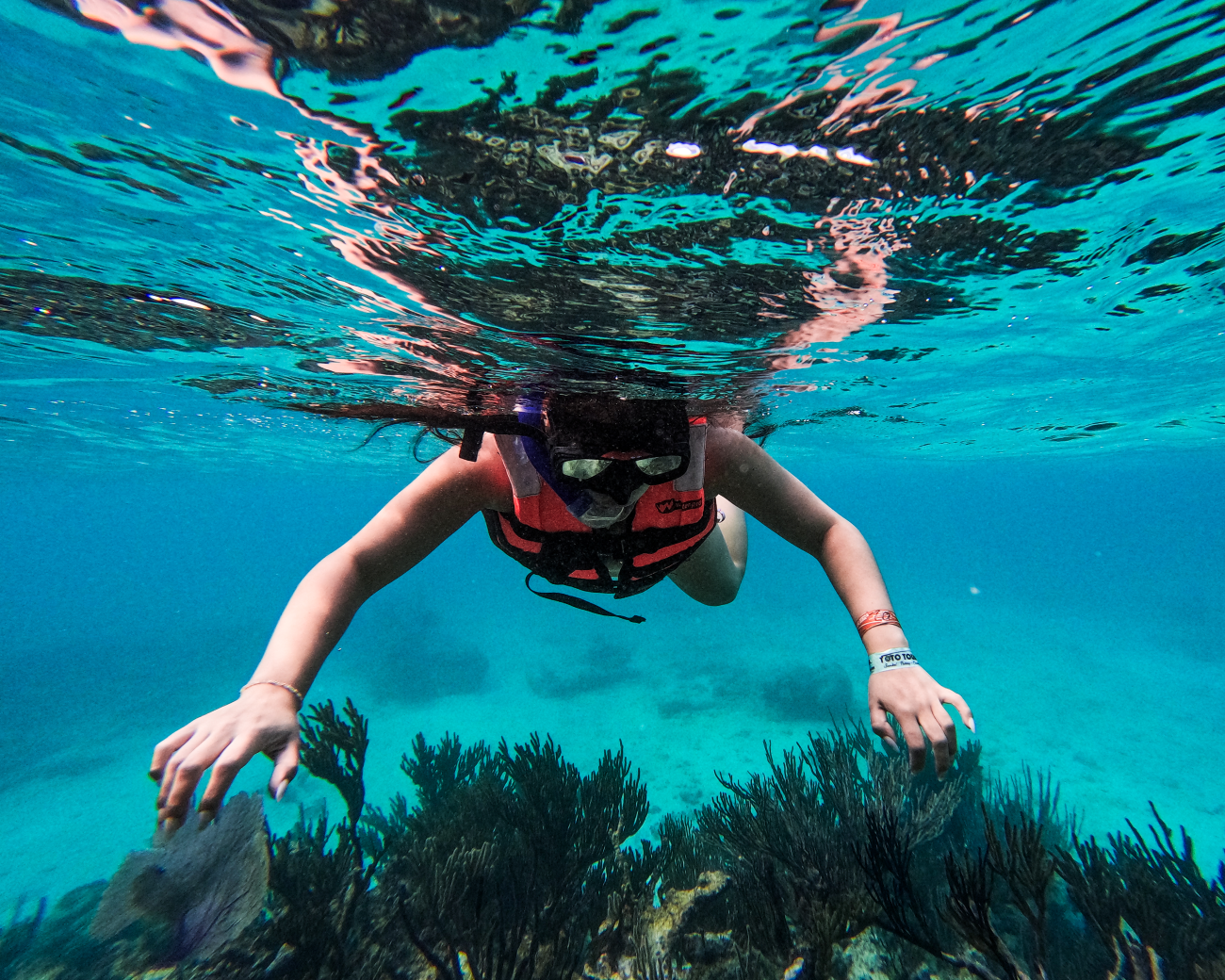
Dive into crystal waters to swim with sea turtles and rays at two pristine Tulum coral reef locations

4.5 (248)
FromFrom €30.34
See details
Chemuyil Cave Cenotes & Jungle Adventure with Local Guides 6 hours Free Cancellation

Chemuyil Cave Cenotes & Jungle Adventure with Local Guides

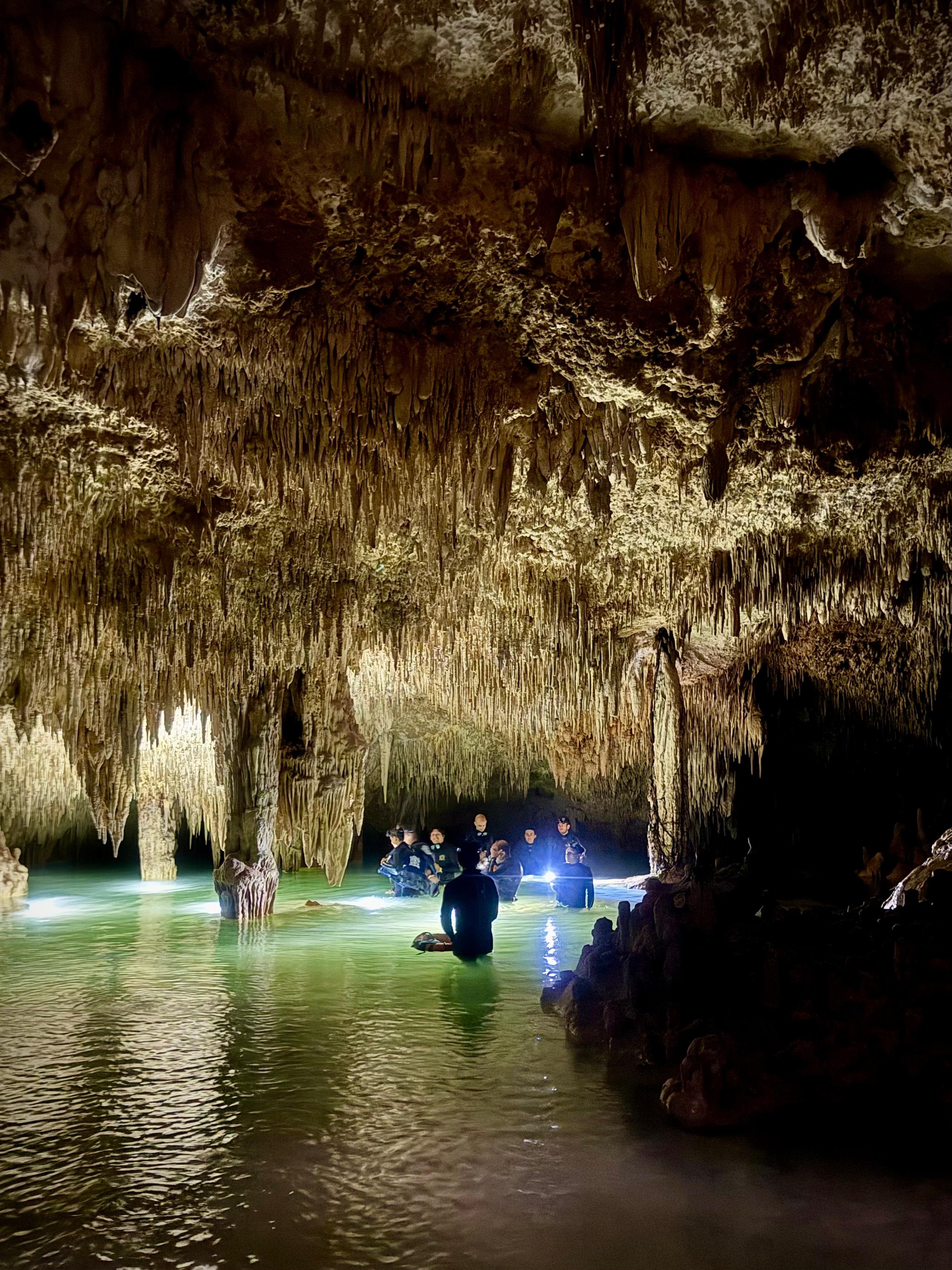
Venture deep into the Mayan jungle to swim in three pristine cave cenotes guided by the Chemuyil community

4.9 (93)
FromFrom $58.78
See details
Coba & Tulum Ruins with Cenote Swim and Mayan Ceremony 12 hours Free Cancellation

Coba & Tulum Ruins with Cenote Swim and Mayan Ceremony

Discover two legendary archaeological sites, swim in a jungle cenote, and participate in authentic Mayan rituals on this immersive day trip.

4.5 (94)
FromFrom $60.88
See details
Tulum Bike Adventure: Ruins, Tacos & Cenote Swim 3 hours Free Cancellation

Tulum Bike Adventure: Ruins, Tacos & Cenote Swim

Pedal through ancient Maya history, savor authentic street food, and dive into crystal-clear waters

4.9 (13)
FromFrom $109
See details
Tulum Ruins, Cenote Swim & Sea Turtle Snorkeling Private Tour 7 hours Free Cancellation

Tulum Ruins, Cenote Swim & Sea Turtle Snorkeling Private Tour

Explore ancient Mayan temples, swim in a tranquil cenote, and snorkel alongside sea turtles in Akumal

5 (6)
FromFrom $237.57
See details
Your journey

Your Tulum Ruins Boat day, step by step

1
Entrance and ticket check

Entrance and ticket check

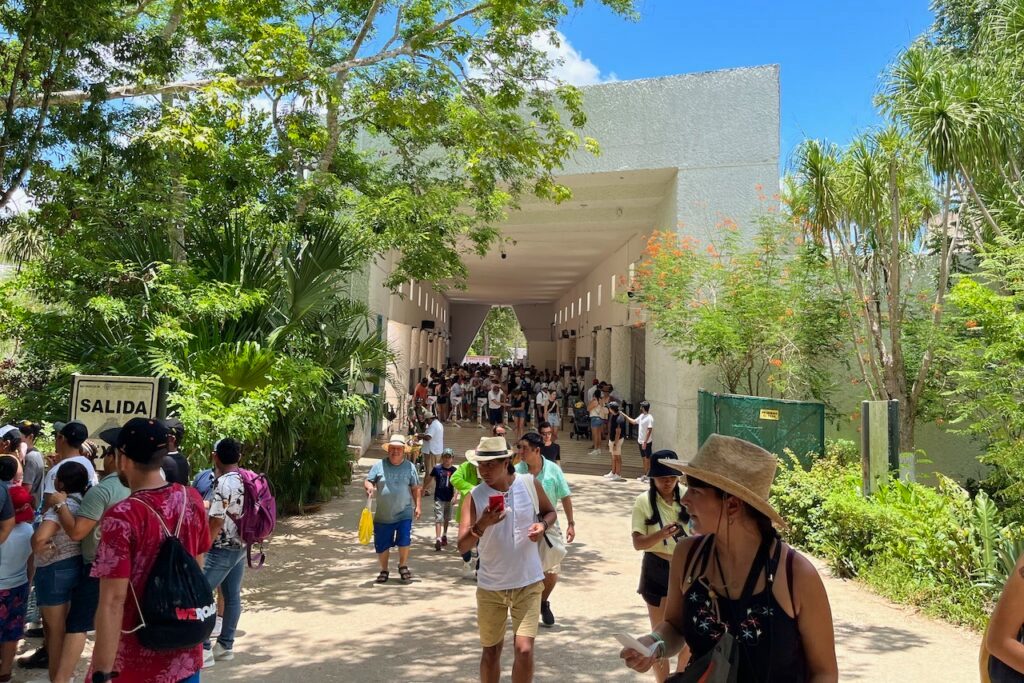
Show admission and pass through the INAH gate before the paths split toward the coastline

2
Walk to El Castillo

Walk to El Castillo

Follow the main trail past smaller structures toward the cliffside temple platform

3
Temple of the Frescoes stop

Temple of the Frescoes stop

View the roofcomb and mural fragments from the roped viewing area

4
Cliffside viewpoint and beach descent

Cliffside viewpoint and beach descent

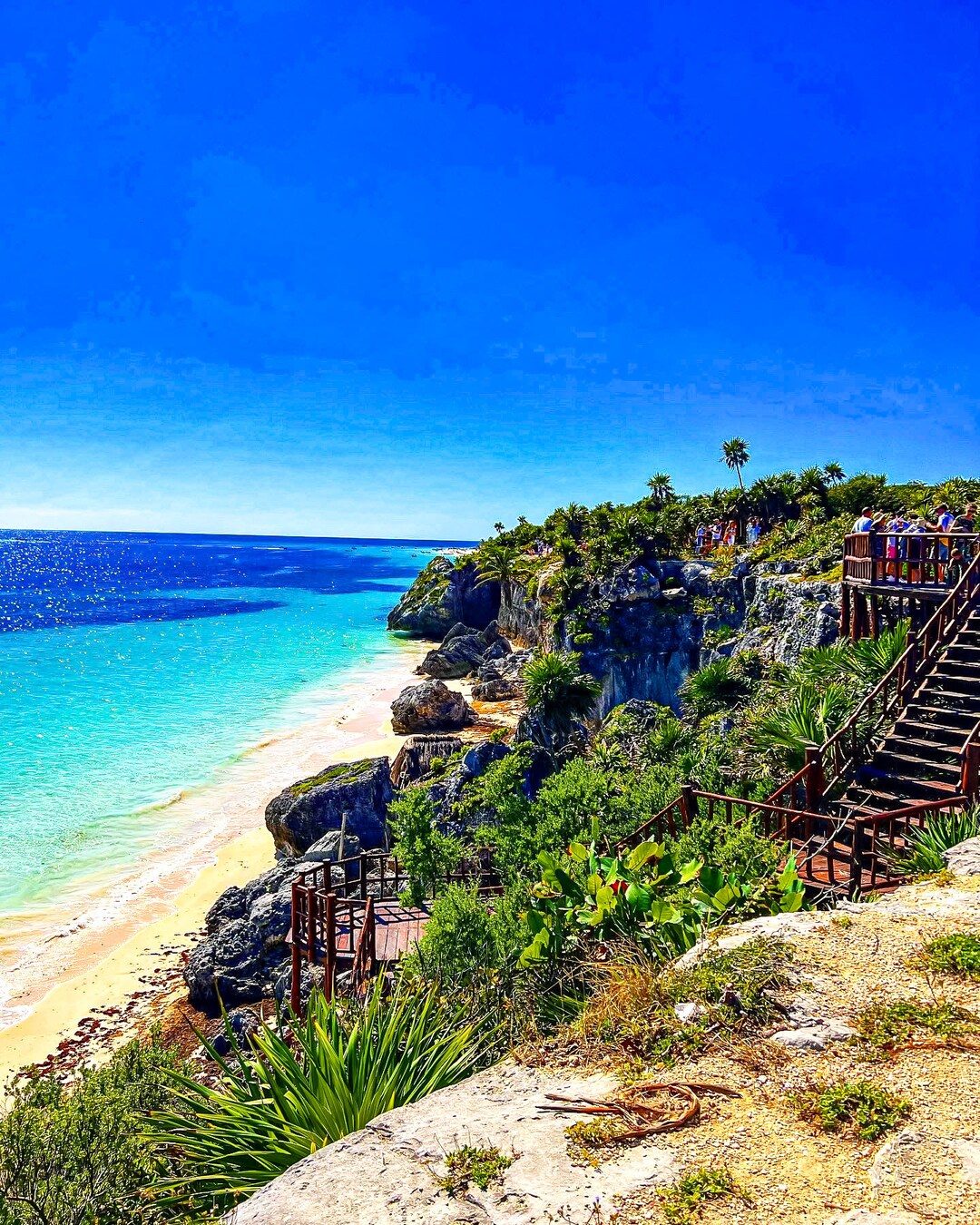
Reach the wooden staircase down to the cove beach below the ruins

5

Boat or snorkel segment

Board the boat departure point for the coastal portion of the visit, weather permitting

6
Return through the Temple of the Descending God

Return through the Temple of the Descending God

Loop back past the smaller structures toward the exit and vendor plaza

What you'll see

What you'll see at Tulum Ruins Boat

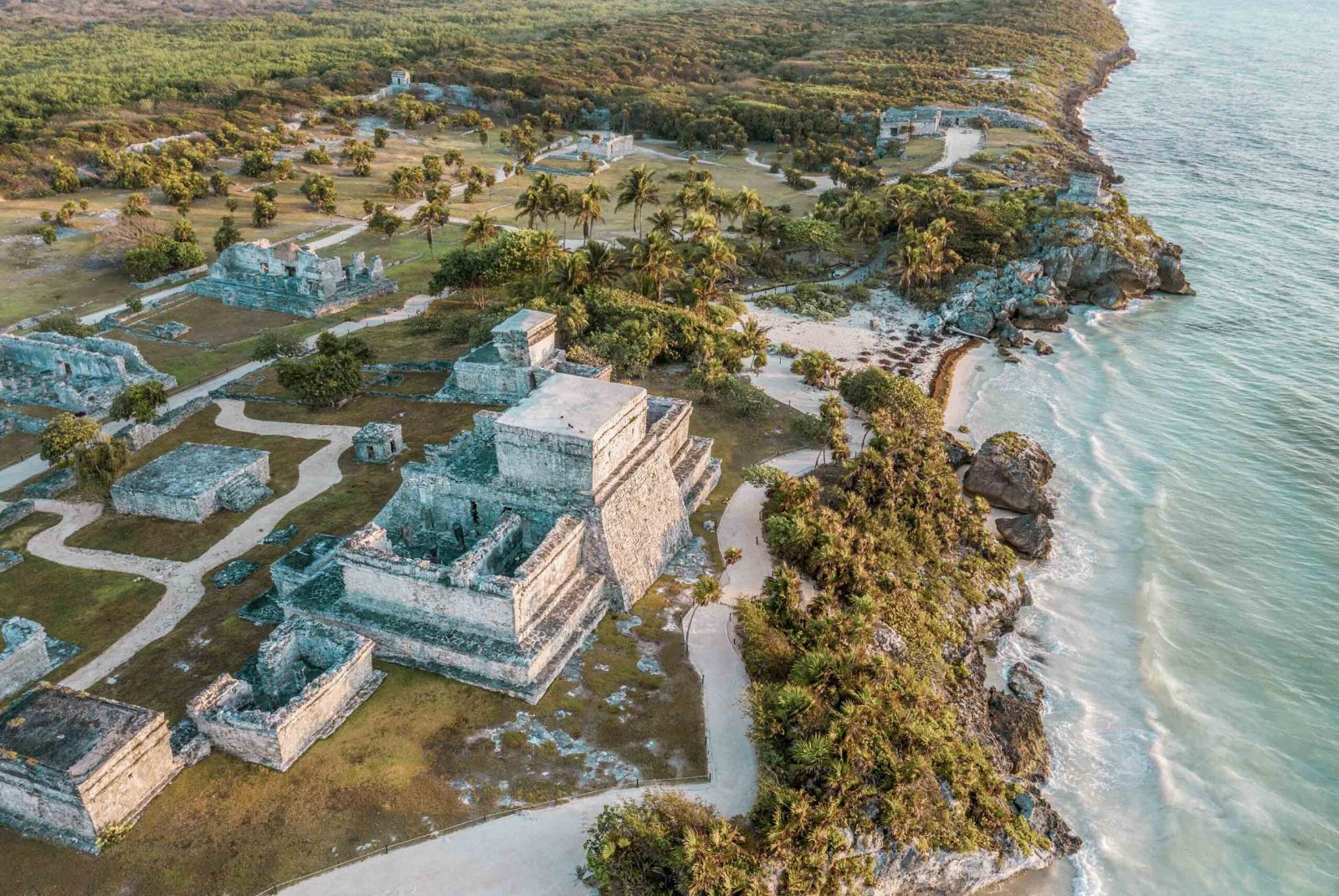
El Castillo

El Castillo

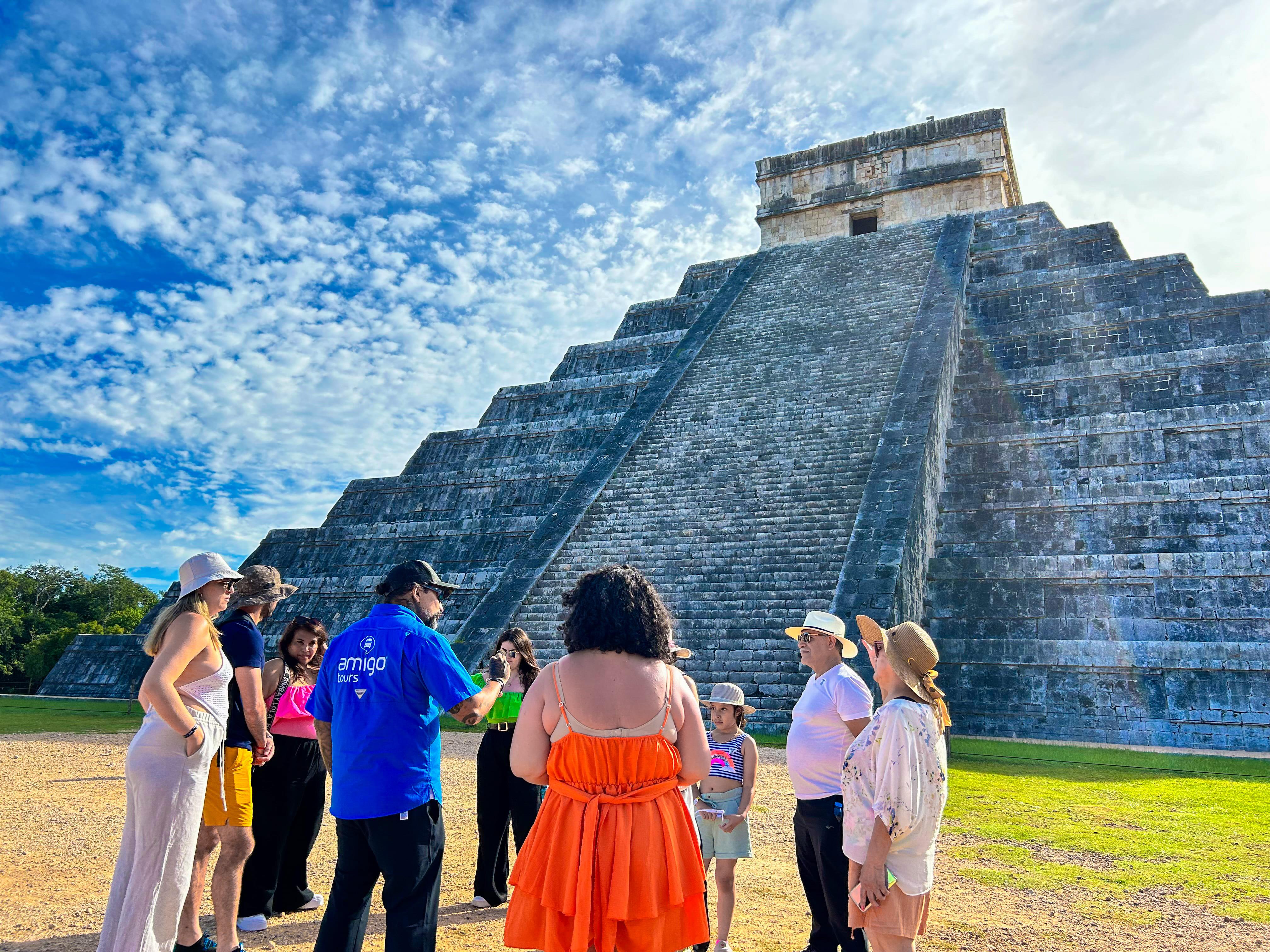
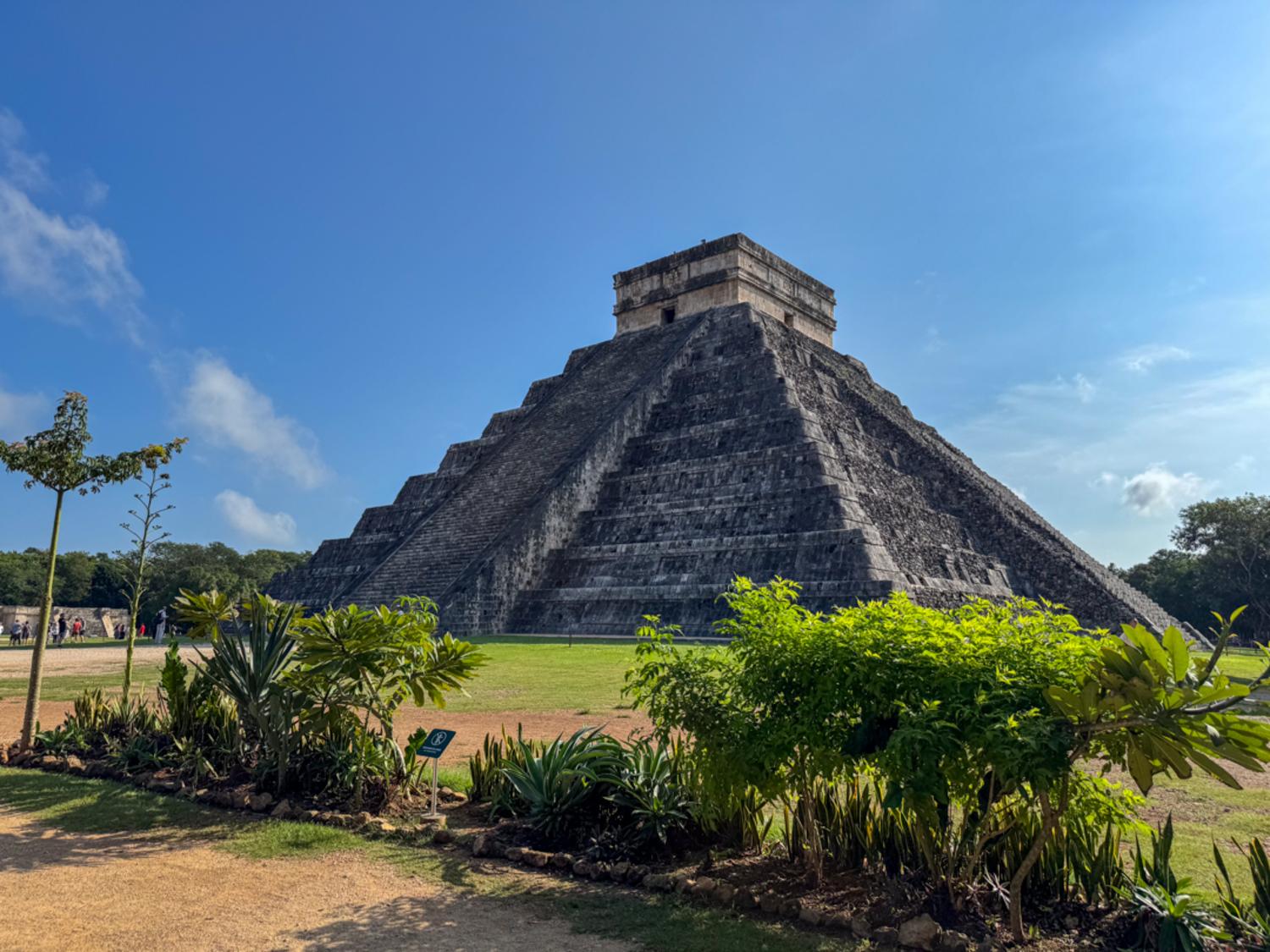
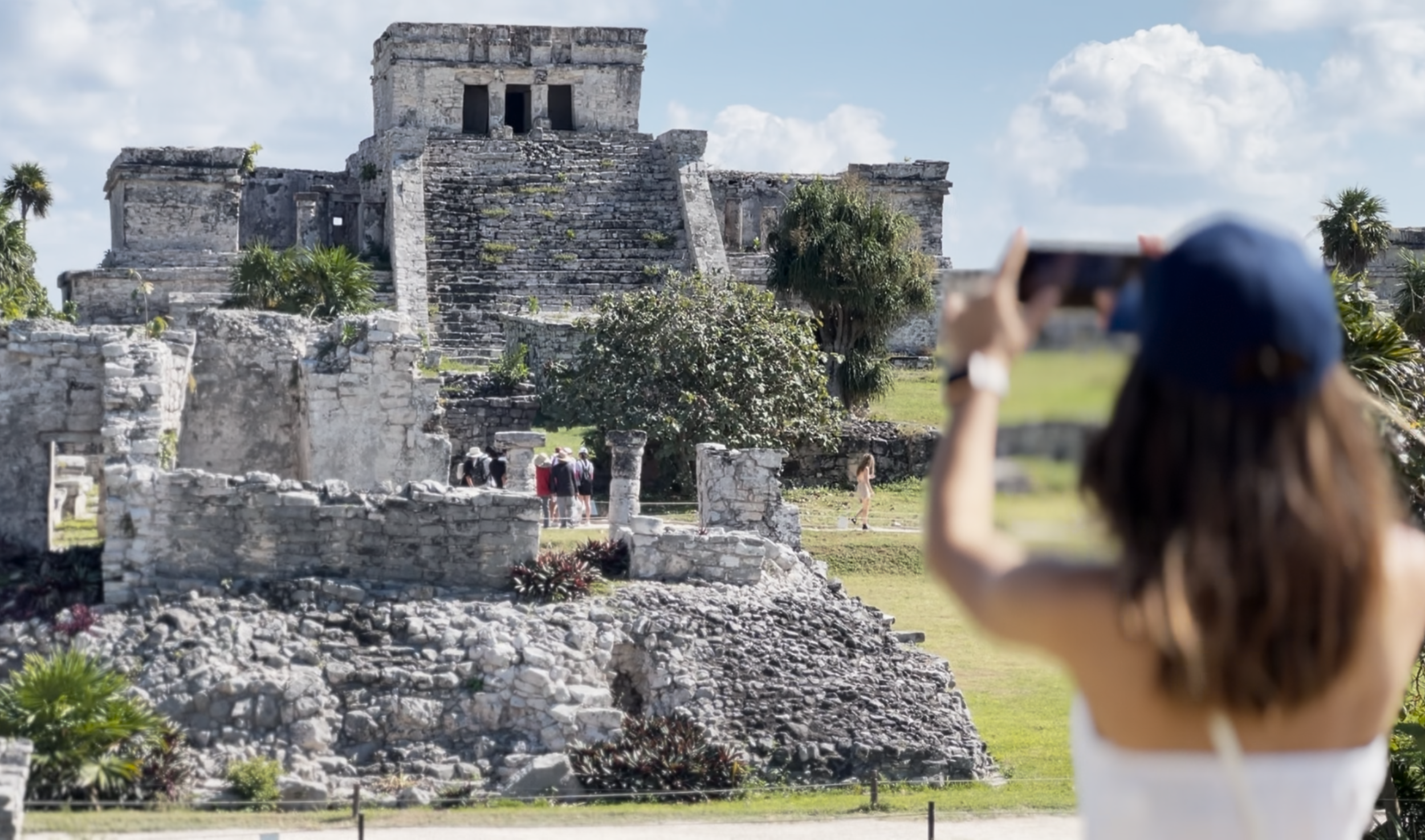
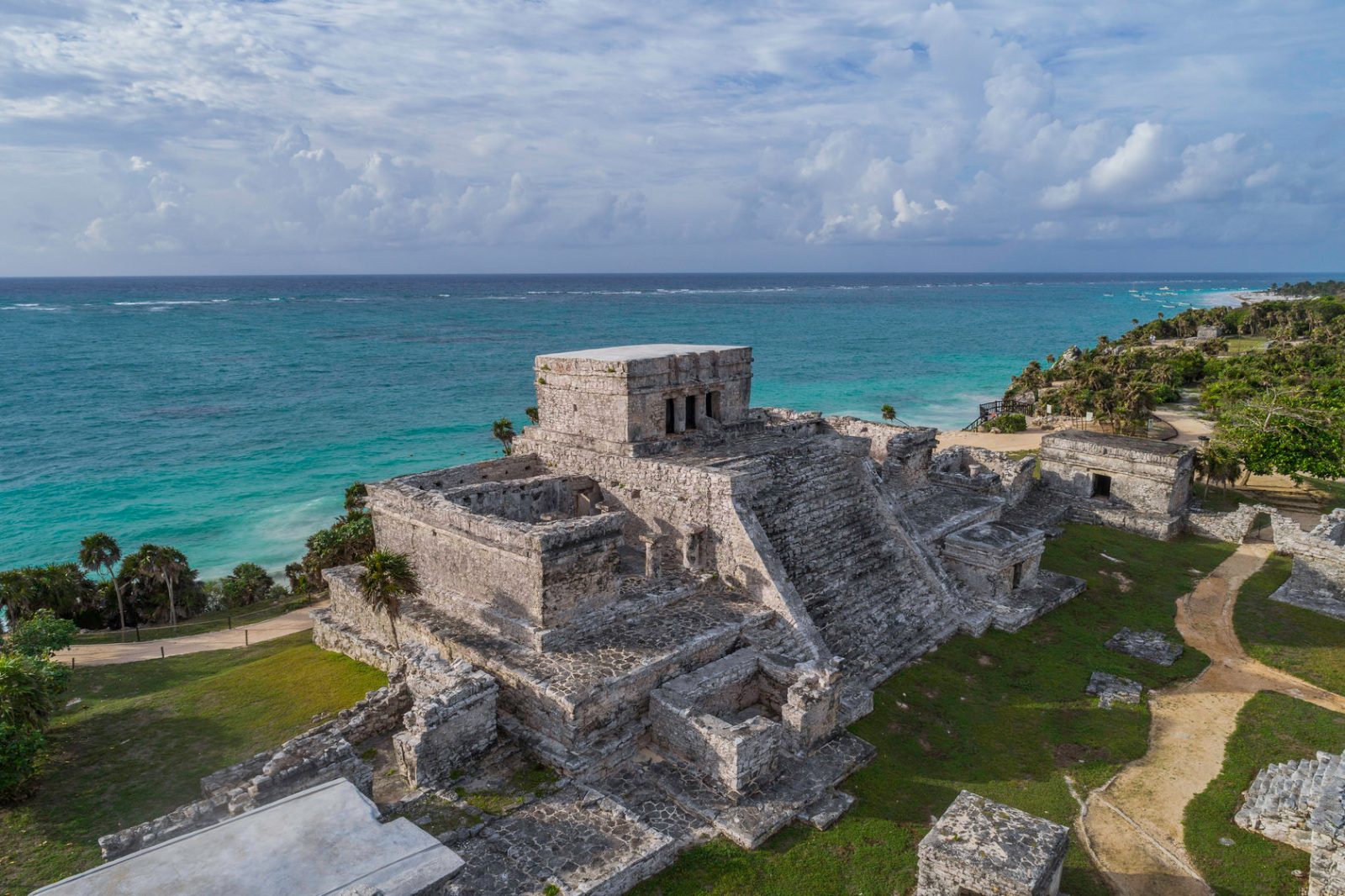
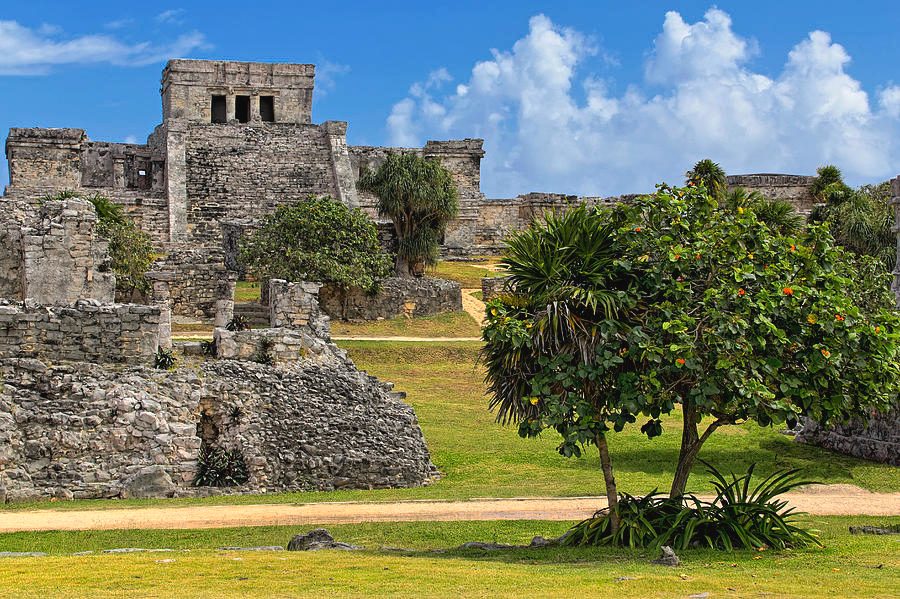
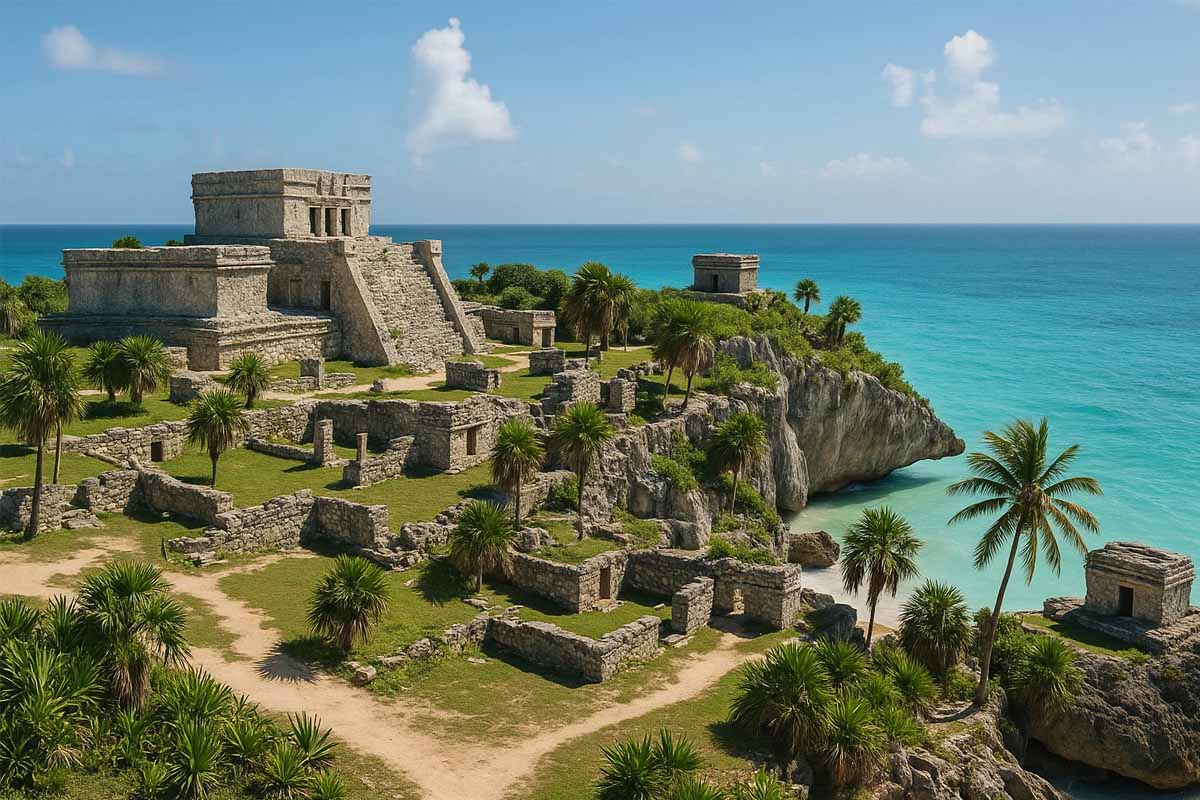
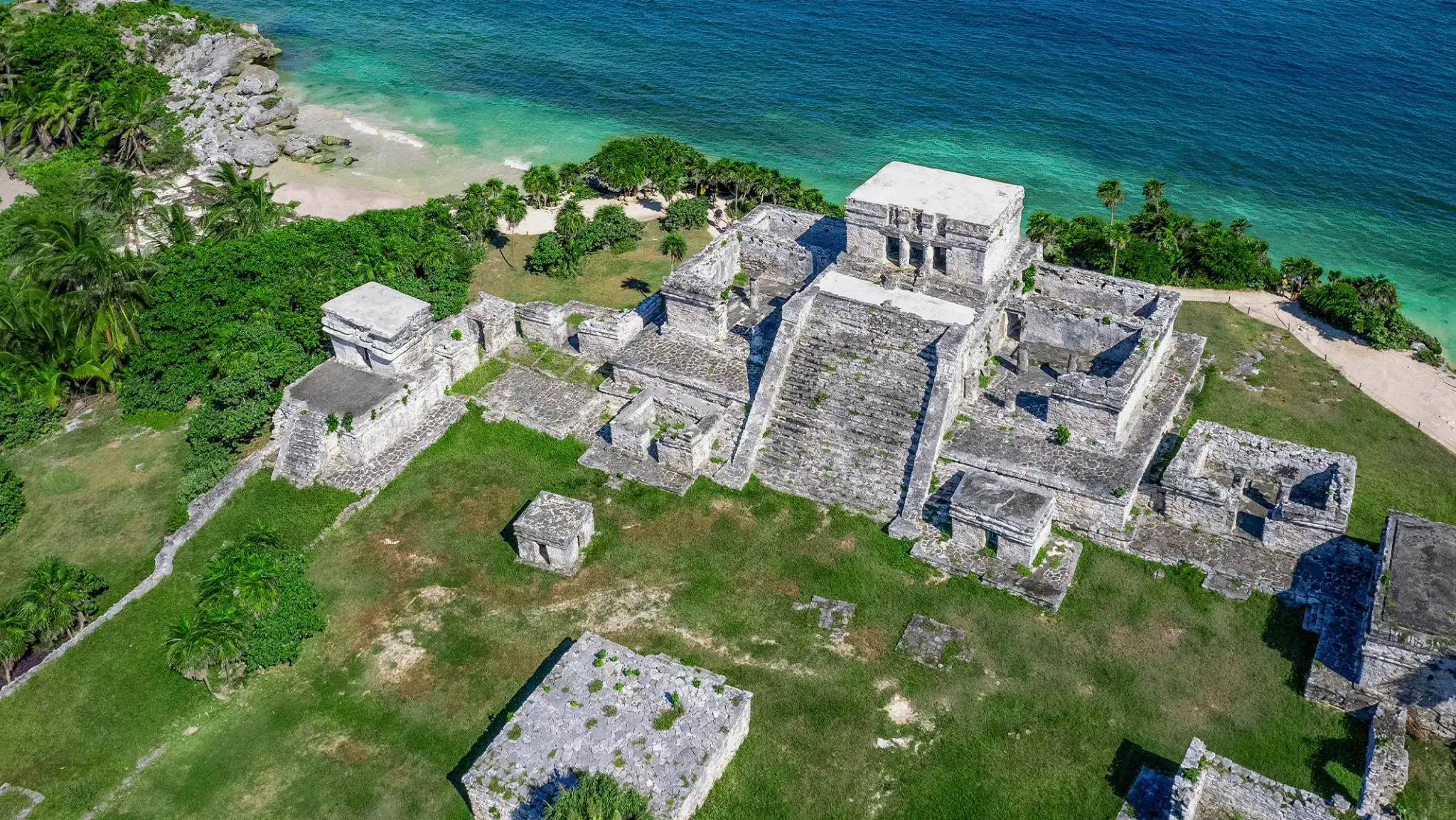
The largest structure at Tulum, this cliffside temple-fort sits atop a 12-meter limestone bluff overlooking the Caribbean and likely served as a watchtower and lighthouse for ancient maritime traders. Its elevated position makes it the most photographed structure at the site.

Temple of the Frescoes

Temple of the Frescoes

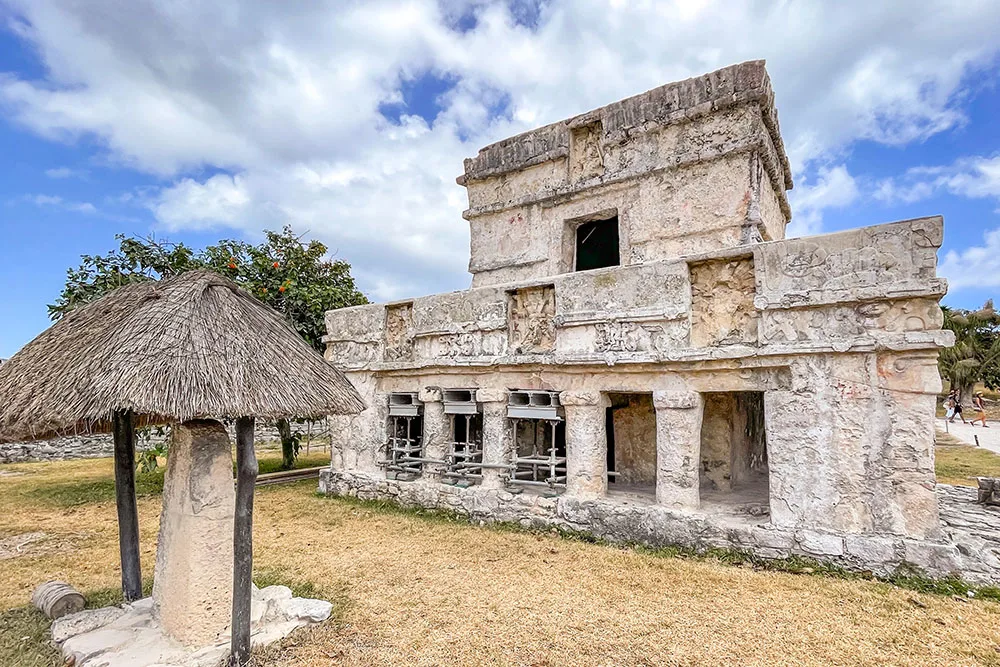
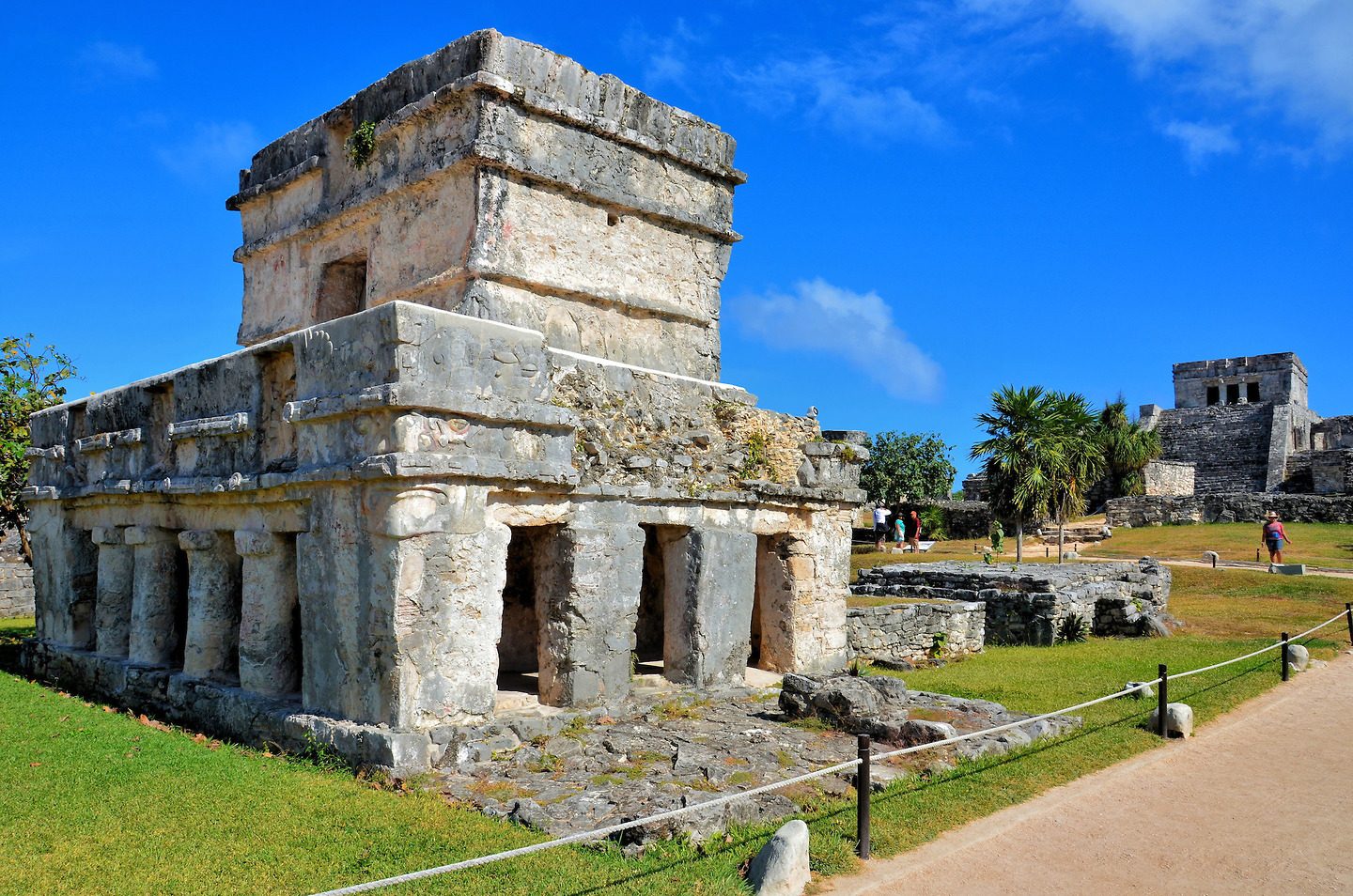
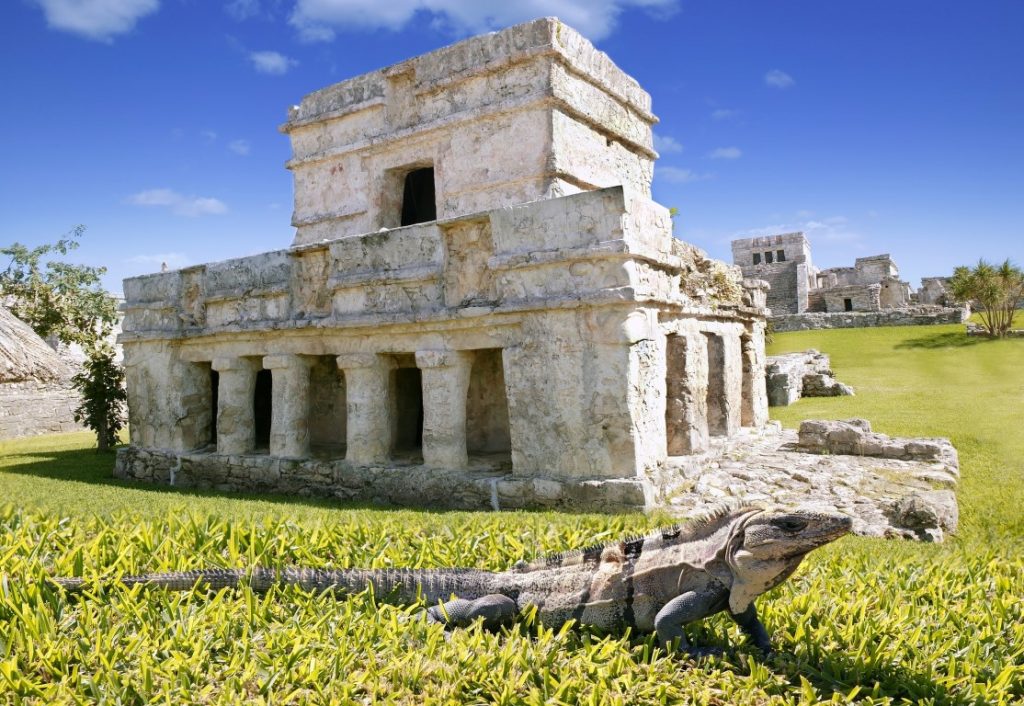
This smaller structure houses faded but still visible murals depicting Maya deities, and its receding upper facade is a hallmark of the East Coast architectural style unique to this region. Access is roped off to protect the fragile paintwork inside.

Temple of the Descending God

Temple of the Descending God

Named for the inverted figure carved above its doorway, this temple represents a deity associated with the setting sun and Venus, a motif repeated at several structures across the site. Its compact scale contrasts with the more massive El Castillo nearby.

House of the Halach Uinic

House of the Halach Uinic

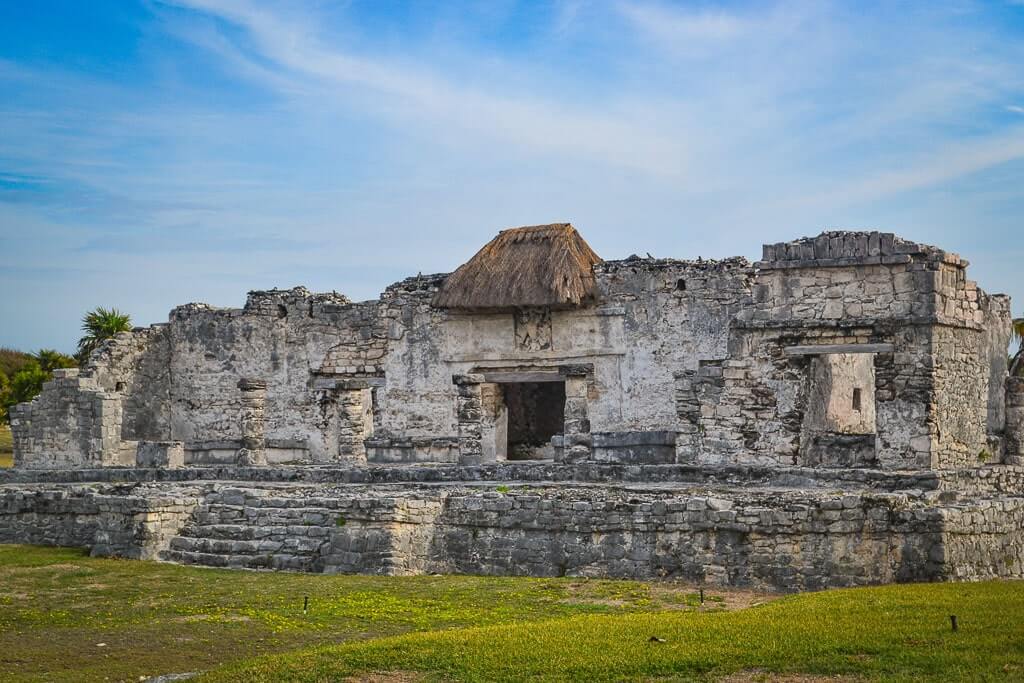
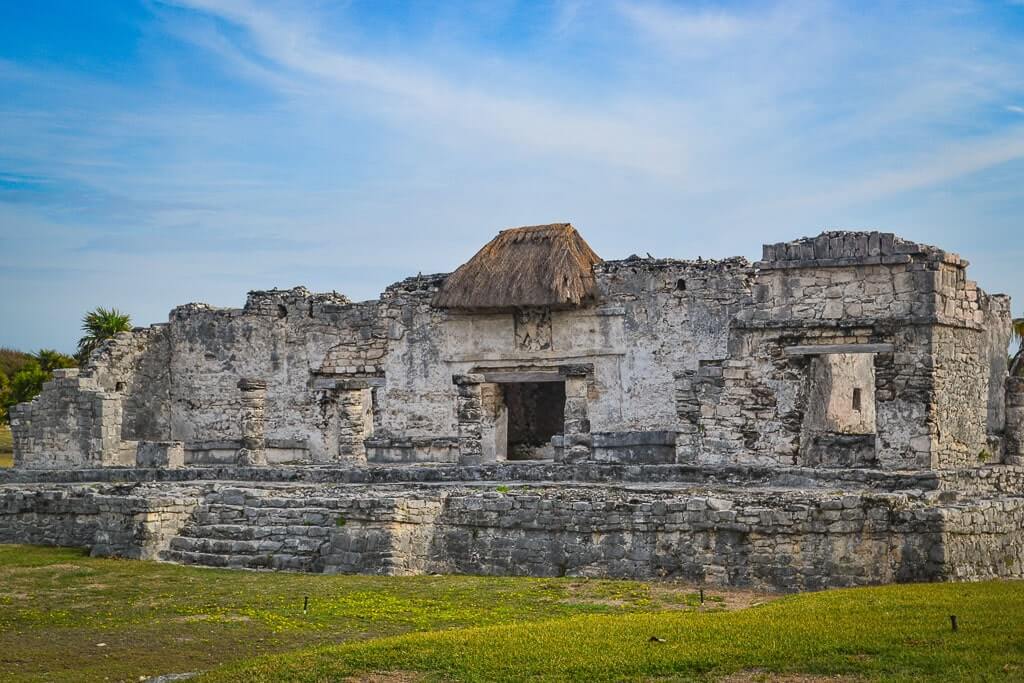
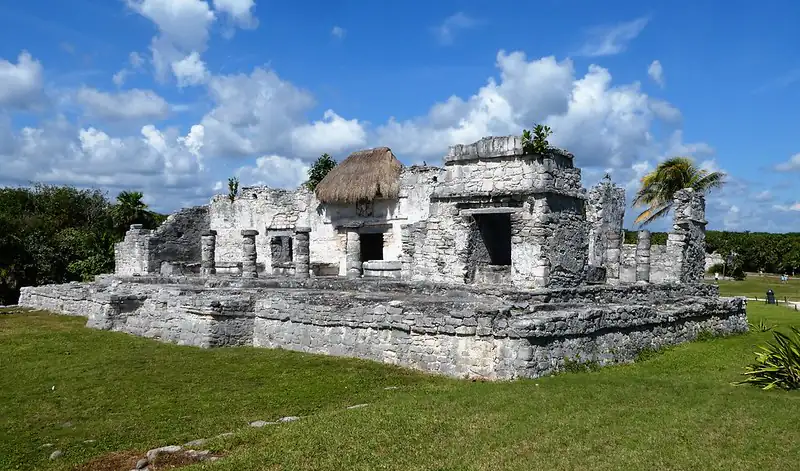
Believed to have been the residence of a high-ranking Maya lord or governor, this structure sits near the site's central plaza and offers insight into the social hierarchy of the walled city. Its layout reflects residential rather than ceremonial architecture.

Tulum City Wall

Tulum City Wall

A rare feature among Maya sites, this defensive wall encloses three sides of the city while the fourth faces the sea, giving Tulum its name, which means wall or fence in Yucatec Maya. Sections still stand roughly 3 to 5 meters thick in places.

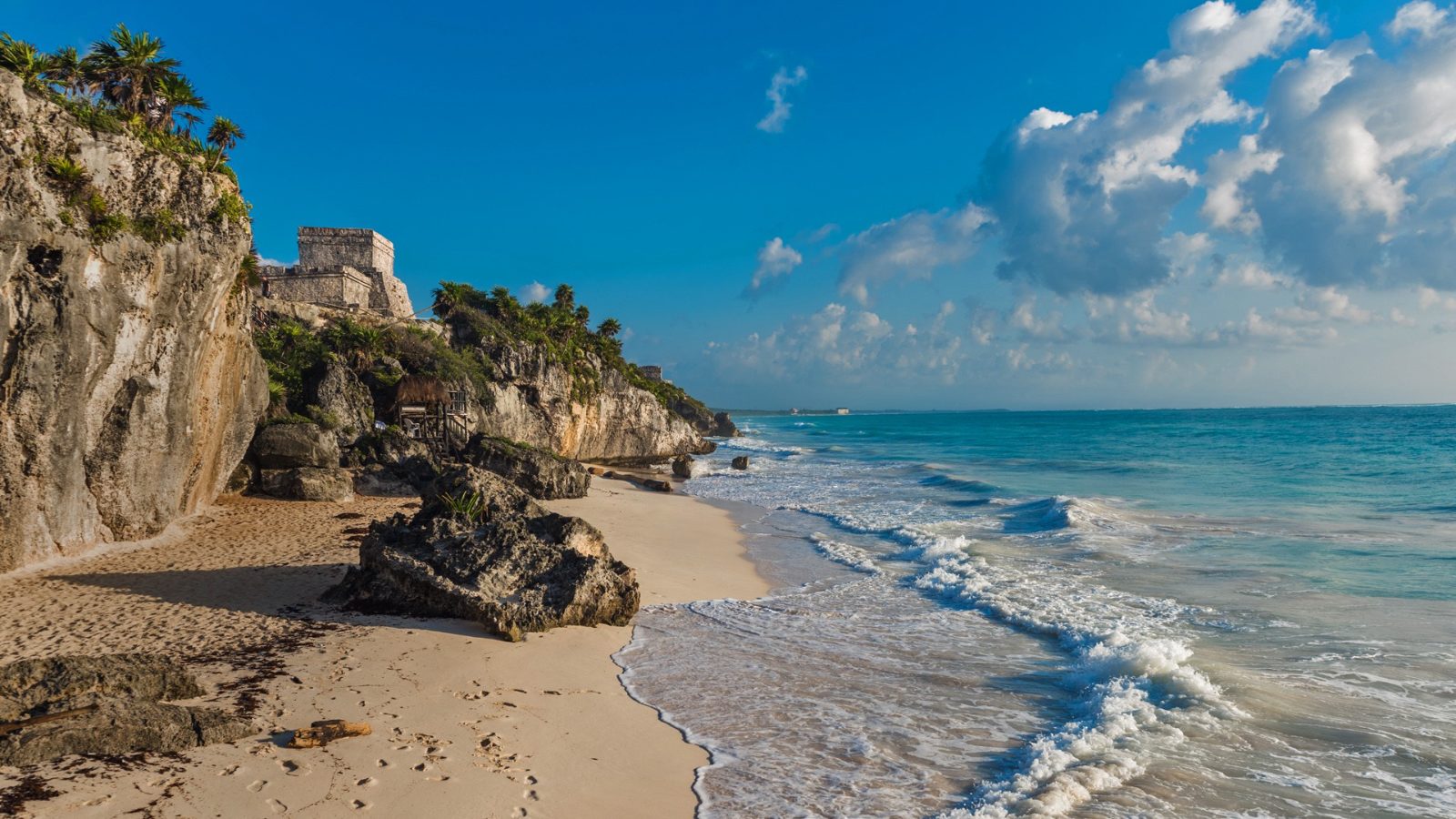
Beach cove and boat departure point

Beach cove and boat departure point

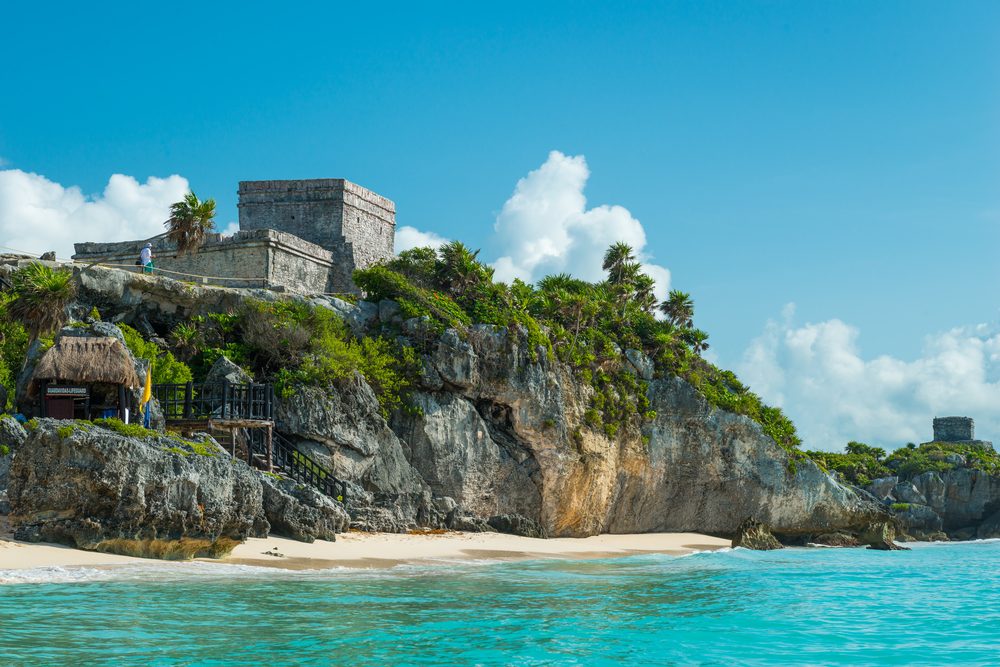
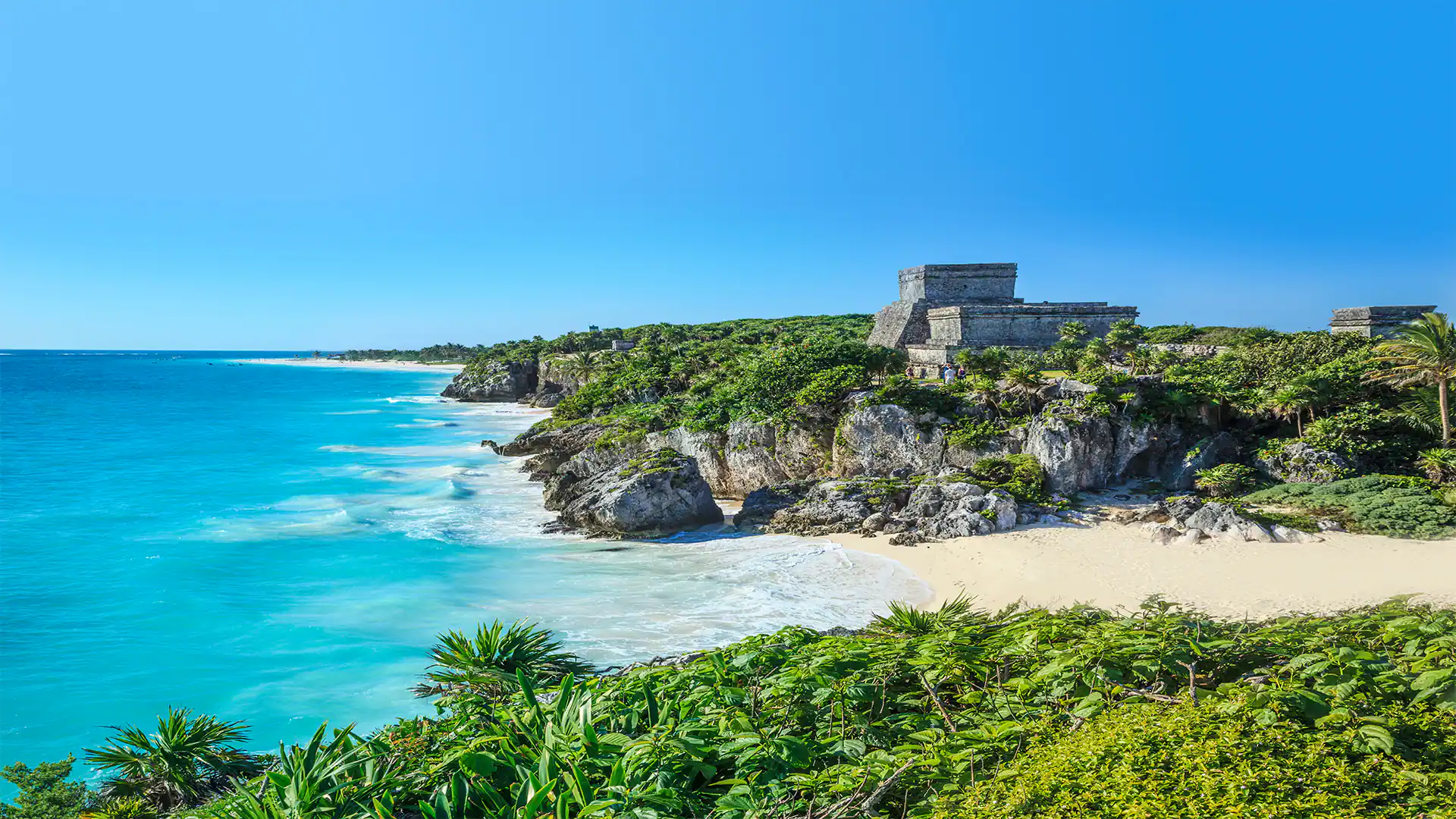
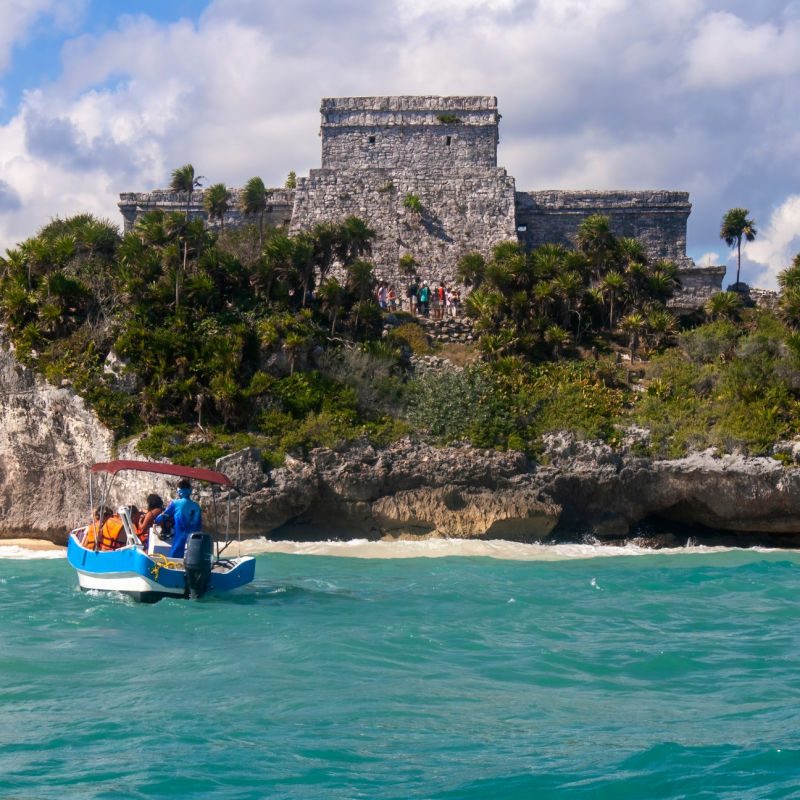
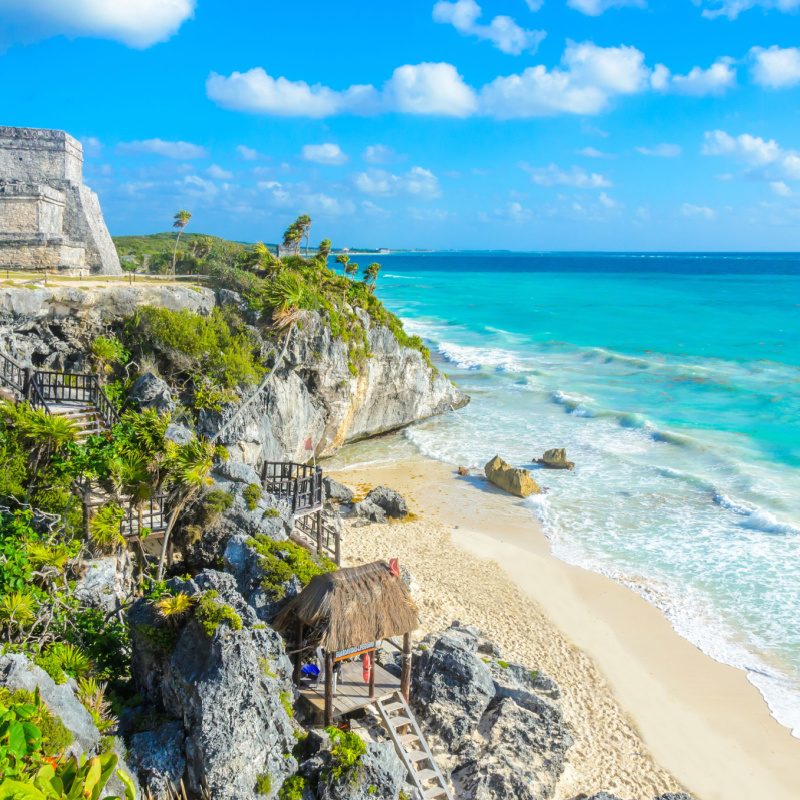
A narrow staircase descends from the cliffs to a sheltered cove beach directly below the ruins, where calm turquoise water provides the launch point for the coastal boat segment of the visit. The cove's position beneath the ruins gives a rare sea-level view up at the cliffside temples.

The experience

What visiting Tulum Ruins Boat is really like

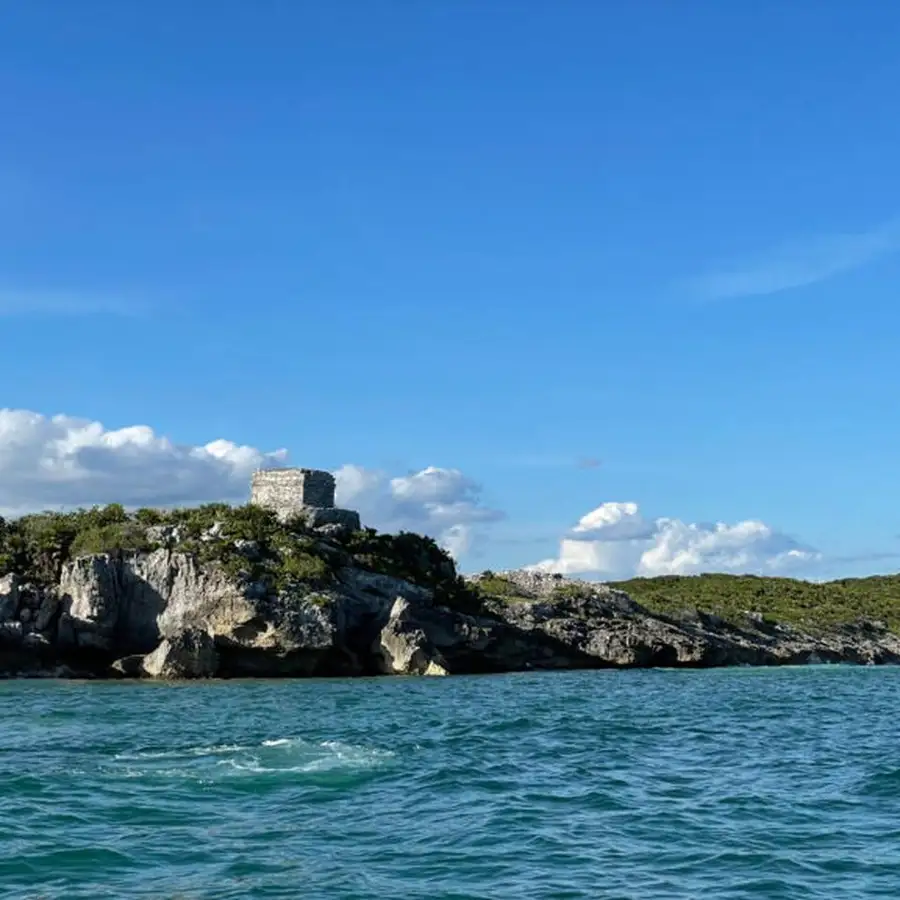
You board at Tulum harbor just after dawn, the boat cutting south through glassy water as the sun climbs behind the jungle canopy. Fifteen minutes offshore, the first limestone walls appear above the cliff edge, pale gray against green vegetation.

Read more Show less

Your captain angles into the cove below El Castillo, cutting the engine so you drift toward the same beach where Maya traders unloaded cacao and obsidian eight centuries ago.

You step onto sand still cool from the night, climbing the wooden staircase carved into the bluff. At the top, the Temple of the Descending God greets you, its stucco figure frozen mid-dive above the doorway. You walk the interior plaza, pausing at the Temple of the Frescoes to study the carved rain god masks. Beyond the walls, the Caribbean stretches uninterrupted to the horizon. Iguanas bask on altars, unbothered.

After an hour inside the ruins, you descend to the beach and wade into water so clear you count fish thirty feet below. Some tours continue south to Sian Ka'an's lagoons or inland to cenotes hidden in the jungle. Others return directly to the harbor, leaving you with salt-crusted skin and the memory of temples above the reef.

Tulum Ruins Boat Tour
Everything You Need to Know

Your complete Tulum Ruins Boat guide

All the details about your upcoming adventure in one place

Tulum is the only major Maya city built directly on the Caribbean coastline, its limestone temples perched fifteen meters above a cove where trading canoes once beached.

Constructed between 1200 and 1450 CE during the Postclassic period, the walled city served as a critical port linking inland cities with seaborne trade routes stretching to Honduras and Belize. El Castillo, the site's largest structure, functioned as both lighthouse and temple, its narrow windows aligned to mark equinox sunrises and guide vessels through the offshore reef break.

While most visitors approach the archaeological zone from the landward entrance on Highway 307, Tulum ruins boat tour options let you replicate the maritime arrival that defined the city's strategic importance. The fifteen-hectare site preserves forty-four structures, including the Temple of the Frescoes with its stucco masks of the diving god and the Temple of the Wind, positioned to catch hurricanes' first gusts. Stucco reliefs still show traces of red, blue, and yellow pigment. Iguanas sun themselves on stone altars. Parrots nest in seagrape trees behind the main plaza.

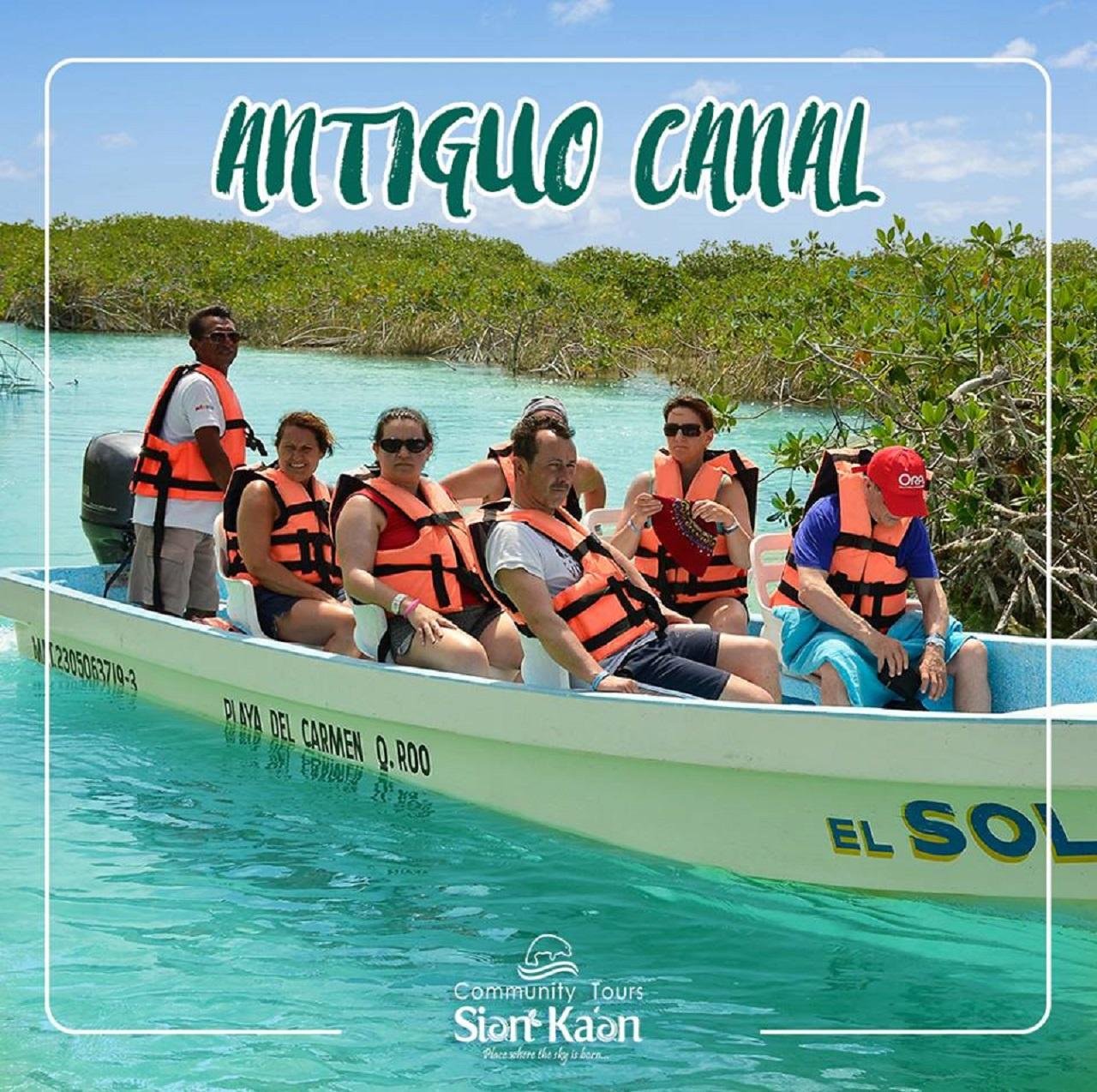
The ruins open at 08:00 daily, and early arrival means cooler temperatures and space to photograph the Temple of the Descending God without crowds. Entrance costs 90 MXN per person for the INAH conservation fee. The site sits within the 1.3-million-acre Sian Ka'an Biosphere Reserve, a UNESCO site protecting mangrove channels and coastal lagoons that mirror the waterways Maya merchants navigated. Boat-based itineraries often combine the clifftop ruins with snorkeling in nearby cenotes or paddling through Sian Ka'an's ancient canals, where crocodiles and manatees still inhabit the brackish water.

Tulum's architecture reflects Late Postclassic pragmatism rather than the monumental scale of Chichén Itzá or Uxmal. Buildings are compact, walls thick, doorways narrow. The city prioritized defensibility and trade over ceremonial grandeur. Its position atop the cliff gave sentries unobstructed views of approaching vessels and rival settlements. Today that same elevation frames the Caribbean's gradient blues, a vista unchanged since the Spanish explorer Juan de Grijalva sighted the painted walls from his ship in 1518.


Tulum is the only major Maya city built directly on the Caribbean coastline, its limestone temples perched fifteen meters above a cove where trading canoes once beached.
Dress code

Lightweight, breathable clothing and closed-toe shoes are strongly recommended since the archaeological site has uneven limestone paths and no covered walkways. Swimwear is fine underneath if your itinerary includes the beach cove below the cliffs, but bring a cover-up for the ruins themselves.

Bags & security

Bags are subject to a visual check at the site entrance, and INAH staff may ask visitors to open backpacks for inspection. Large suitcases and oversized bags are discouraged; a small daypack or beach bag is the practical size for moving through the site.

Photography

Personal photography and video with handheld phones or cameras are permitted free of charge throughout the site. Drones, tripods, and any commercial or professional filming require prior written authorization from INAH.

Families & strollers

Children move easily along the shaded entry paths, though supervision is needed near unrailed cliff edges above the beach. Strollers work on the main trail but struggle in the sandier stretches near the shoreline.

Accessibility

The main pathways are compacted limestone gravel and sand, which can be difficult for wheelchairs and strollers in places, and there are no ramps up to El Castillo's platform. Level ground connects the entrance, the visitor center, and the shuttle drop-off, making that portion navigable for most mobility devices.

Food & drink

Eating and drinking are not permitted inside the archaeological zone itself, aside from water, which visitors are encouraged to carry given the heat. Food is limited to the vendor stalls and restaurant near the entrance plaza, outside the ticketed area.

Not allowed

× drones without permit × tripods without permit × climbing on structures × touching carved stone surfaces × glass containers × alcohol × large backpacks or suitcases × selfie sticks in crowded areas × loud speakers or amplified music × pets (except service animals) × single-use plastic bags × open flames or candles

What to bring

✓ Refillable water bottle ✓ Sunscreen ✓ Wide-brim hat ✓ Closed-toe walking shoes ✓ Cash in MXN ✓ Swimwear and towel ✓ Insect repellent ✓ Light rain jacket in summer

Opening hours

Mon 08:00 – 17:00

Quieter than weekends

Tue 08:00 – 17:00
Wed 08:00 – 17:00

Regional free-entry day for residents

Thu 08:00 – 17:00
Fri 08:00 – 17:00

Cruise-ship crowds possible

Sat 08:00 – 17:00

Busiest day of the week

Sun 08:00 – 17:00

Mexican nationals often free

How to get there

At a glance

Hours

Daily 08:00–17:00, last entry approx. 16:30

Opening hours

08:00 – 17:00

Getting there

City-center access via metro and bus

Accessibility

Most experiences are wheelchair-friendly — check individual tours

What to bring

Comfortable shoes, water, phone for mobile voucher

Getting there

Car · 10 min from Tulum town · Parking approx. 50–100 MXN

Drive south from Tulum town on Carretera Federal 307 toward Km 230; a paid parking lot sits near the entrance road.

Taxi · 10–20 min · Approx. 100–200 MXN

Taxis from Tulum town or the beach hotel zone drop off near the access road leading to the entrance.

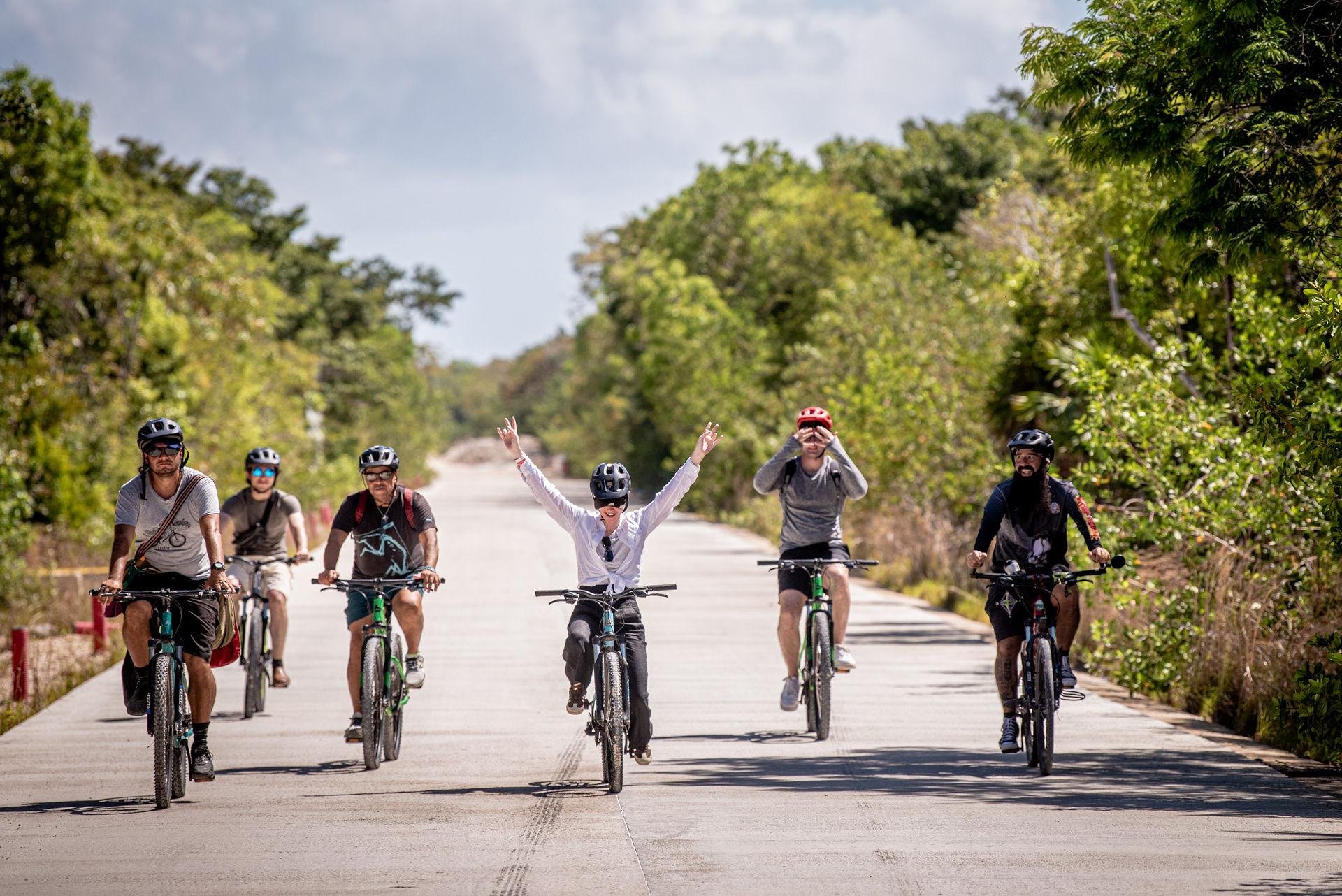
Bike · 20–30 min · Bike rental approx. 150–300 MXN/day

Rental bikes are common along the hotel zone road and connect to a dedicated bike path leading toward the site.

Public transport · 15–25 min · Approx. 25–40 MXN

Colectivo vans run along Carretera Federal 307 between Tulum town and the ruins turnoff, requiring a short walk from the drop point.

Cancellation policy

Most tulum ruins boat tour bookings allow free cancellation up to 24 hours before the scheduled departure, with a full refund issued to the original payment method. The 90 MXN INAH admission fee is collected separately on-site and is not part of any tour refund.

Plan your time

How Long to Spend on the Tulum Ruins Boat Tour Visit

Recommended time

2–4 hours

Plan for 60 to 90 minutes to explore the site itself, but extend your schedule when booking a tulum ruins boat tour to include coastal exploration. Visitors often secure tulum ruins boat tour tickets in advance, allowing for a seamless transition from the limestone cliffs to the Caribbean waters. If you prefer a quieter experience with the Tulum archaeological site, aim for the best arrival window: 08:00–09:30. Those combining the local landmarks with a boat excursion will find that half-day tulum ruins boat tour tours are ideal for avoiding the peak afternoon heat.

Crowd levels through the day

08:00–09:30 Light
09:30–12:00 Moderate
12:00–14:30 Heavy
14:30–17:00 Moderate
Plan ahead

Best time to visit Tulum Ruins Boat

Weather · crowds · average price — dots go green to amber to red as each metric rises.

Winter (Dec–Feb)

Dry season with pleasant temperatures around 24–28°C, though this is peak tourist season with heavier crowds and holiday-week congestion.

Insider tips

Helpful tips for visiting Tulum Ruins Boat

Carry small bills

The 90 MXN INAH admission fee is often easier to pay with exact change or small denominations at the ticket booth.

Where to meet

Tulum Ruins Boat meeting points

Main INAH entrance gate

Main INAH entrance gate

Carretera Federal 307 Cancún-Chetumal Km 230, 77780 Tulum, Quintana Roo

Ticket booths and bag check located here

Get directions
Beach cove boat departure point

Beach cove boat departure point

Below the cliffside staircase inside the archaeological zone

Weather-dependent departure for the boat segment

Get directions
The story

The History Behind the Tulum Ruins Boat Tour Site

Tulum rose in the thirteenth century as Zamá—"place of the dawning sun"—a fortified Maya city commanding the Yucatán's eastern shoreline. Built during the late Postclassic period, it served as a strategic port linking inland centers like Cobá to maritime trade routes stretching across the Caribbean. Canoes laden with obsidian, jade, cacao, and salt docked below the cliffs where El Castillo now stands, anchoring an economy that flourished when inland powers had already declined. The city's walls, rare among Maya sites, enclosed temples, elite residences, and administrative buildings painted in red, blue, and green pigments that once gleamed across the turquoise waters. Spanish contact arrived in 1518 when Juan de Grijalva's expedition sailed past the coast and reported a settlement "as large as Seville" with towers visible from the sea. The chronicler's account, though likely exaggerated, confirmed Tulum's prominence as a navigational landmark for European sailors charting the peninsula. Unlike many Maya centers abandoned centuries earlier, Tulum remained inhabited through the Spanish conquest, sustained by its coastal trade networks and relative isolation. Indigenous communities continued to occupy the site into the early 1540s, making it one of the last functioning Maya cities. The ruins lay obscured by jungle until 1841, when explorers John Lloyd Stephens and Frederick Catherwood documented the clifftop structures in lithographs that introduced Tulum to Western audiences. Mexican archaeologist Miguel Ángel Fernández led the first systematic excavations in 1916, uncovering murals inside the Temple of the Frescoes that depicted cosmological scenes and confirmed the site's ceremonial importance. Restoration began in earnest during the 1970s as Mexico opened the Riviera Maya to tourism. Today, visitors arriving on tulum ruins boat tour excursions approach the ruins as ancient traders once did—from the sea—retracing routes that carried goods and ideas across a maritime world the Maya commanded for centuries. The clifftop vantage that made Tulum a trading hub now frames its role as one of Mexico's most visited archaeological sites, where history and coastline remain inseparable.

13th century

Tulum founded as Zamá, a fortified Maya port controlling Caribbean trade routes

1518

Spanish explorer Juan de Grijalva sails past and records a large coastal settlement with visible towers

Early 1540s

Indigenous Maya communities abandon Tulum, marking the end of continuous habitation

1841

John Lloyd Stephens and Frederick Catherwood document the clifftop ruins in published lithographs

1916

Mexican archaeologist Miguel Ángel Fernández conducts the first systematic excavations and studies

1970s

Mexican government begins restoration and opens Tulum to international tourism

2000s

Tulum becomes one of Mexico's most visited archaeological sites, receiving over two million annual visitors

Photo spots

Best Photo Spots on the Tulum Ruins Boat Tour Route

El Castillo from the Beach Cove

El Castillo from the Beach Cove

Best light · Before 09:00

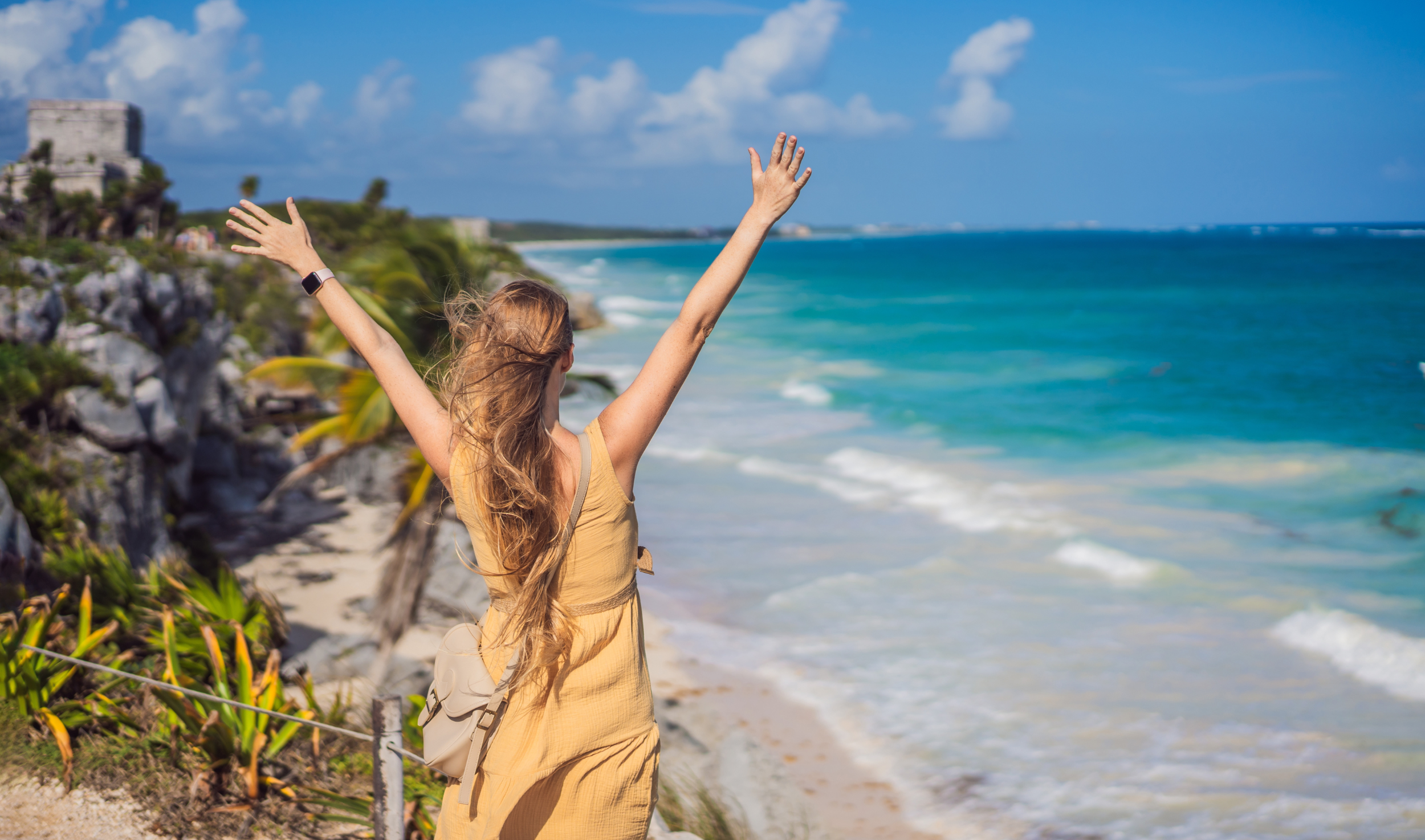
The classic shot: Tulum's clifftop temple framed above a small sandy cove with turquoise water below. Stand on the sand near the wooden staircase leading down to the swim beach for the widest angle that includes both the ruins and the sea. Access to the beach itself is via a roped-off staircase that can close briefly when waves are rough.

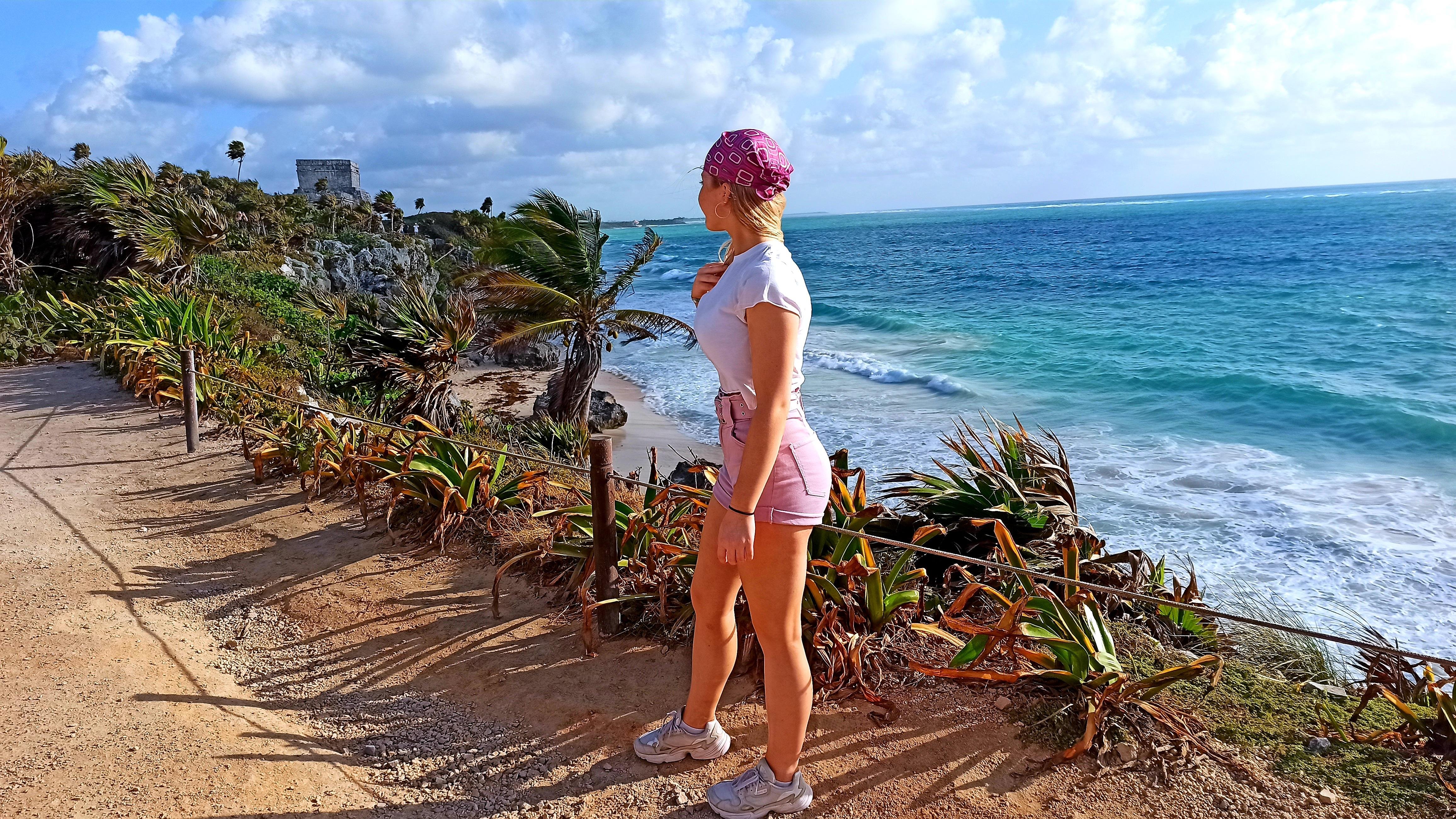
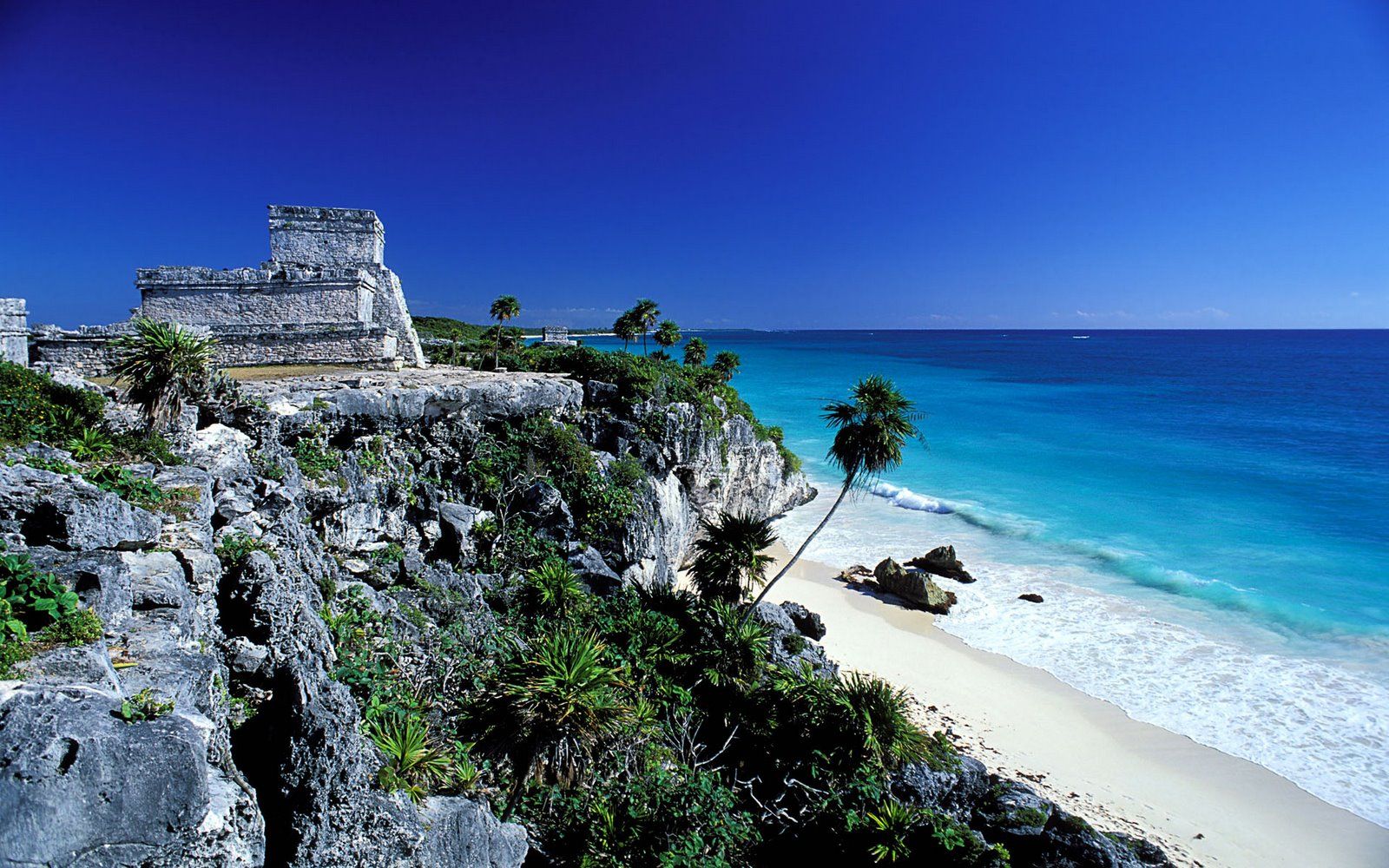
Clifftop Overlook Toward the Caribbean

Clifftop Overlook Toward the Caribbean

Best light · Golden hour

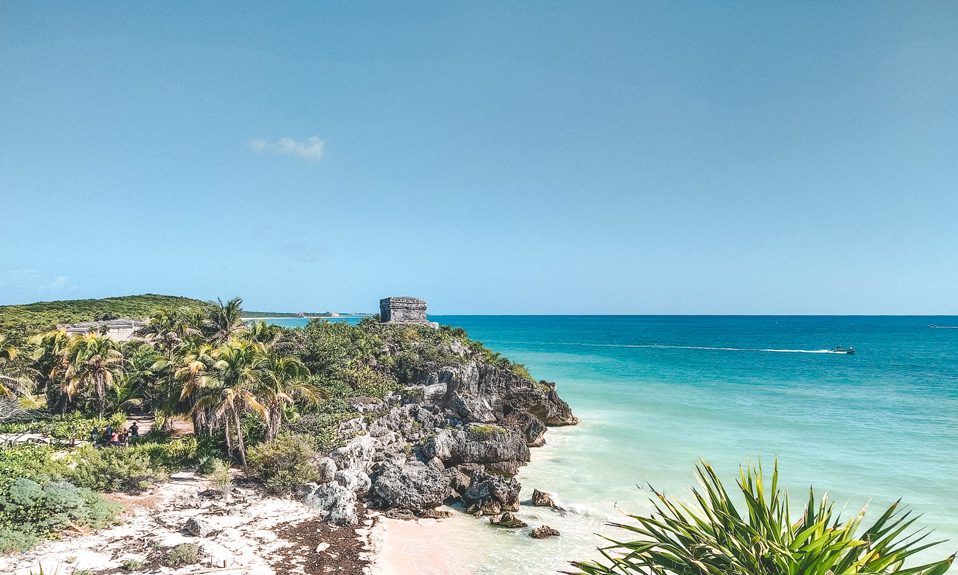
The main clifftop path running along the east side of the site gives an open view over limestone bluffs to the Caribbean, with the temples visible off to one side. This is where most visitors pause on a tulum ruins boat tour to take in the coastline before continuing along the path. Keep to the marked trail since the cliff edge has no barrier in several stretches.

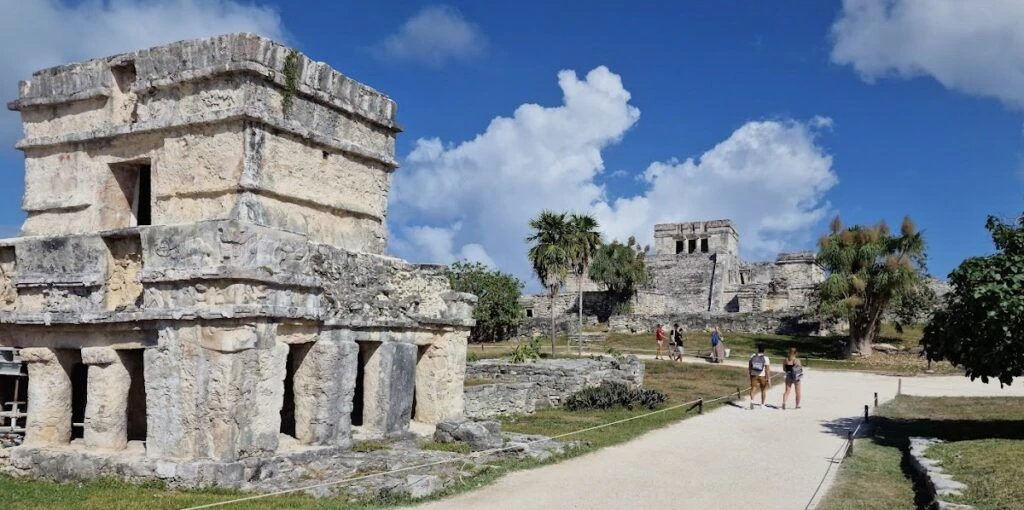
Temple of the Frescoes Exterior

Temple of the Frescoes Exterior

Best light · Morning shade

A compact structure with carved corner masks and a columned facade, set back from the main plaza. Photographers shoot from directly in front of the roped perimeter, since entry into the temple itself is not permitted. The stonework detail reads best in soft, indirect light rather than midday glare.

Descent Stairs to the Boat and Swim Beach

Descent Stairs to the Boat and Swim Beach

Best light · Early morning

A narrow wooden staircase cut into the cliff drops down to the small beach used by swimmers and boat arrivals. From partway down the steps you get a layered shot of the stairs, the cove, and El Castillo above in one frame. The stairway is one-way at busy times and can shut for short periods when currents pick up.

House of the Cenote Viewpoint

Best light · Midday shade

A modest platform structure near a small natural sinkhole, framed by dense coastal scrub. It offers a quieter, less-crowded angle away from the main plaza where you can catch the ruins with jungle in the foreground. Good option if the clifftop overlook is crowded with tour groups.

Gallery

Moments from Tulum Ruins Boat

With kids

Family Tips for the Tulum Ruins Boat Tour

A tulum ruins boat tour with children works best as a slow morning outing, not a checklist sprint: little legs feel the heat and the uneven limestone paths fast, but the payoff is a real beach at the end. Arriving with the crowds in mind and building in shade breaks makes the whole visit easier on kids and parents alike.

Pacing

Split the walk into short stretches and rest often in shade; the coastal path has tree roots and limestone underfoot that trip up small feet faster than pavement.

Beach cove

Treat the cove below the clifftop temples as the built-in reward stop. Let kids swim or wade there partway through instead of saving it for the very end, so they have energy left for the walk back.

Best ages

Kids around 6 and up generally handle the walking and heat best; toddlers can manage in a baby carrier but the terrain limits carrier-free wandering.

What to bring

Pack a change of clothes and a dry bag for wet swimsuits, plus a hat and refillable water bottle for each child, since shade is limited along most of the route.

Facilities

Restrooms are located near the entrance and visitor area, not scattered along the ruins path, so plan bathroom breaks before setting out.

Energy management

Save any beach time for after the main ruins loop if your kids tire quickly, since wet, sandy children rarely want to climb back up for more sightseeing.

Food & drink

Where to Eat Near the Tulum Ruins Boat Tour Entrance

Dining options are concentrated in the visitor center complex near the tulum ruins boat tour entrance, offering convenient access to local snacks before your excursion. Beyond the immediate parking area, travelers often head toward the coastal highway or Tulum town to secure tulum ruins boat tour tours, where a wider selection of eateries awaits.

Plaza Las Ruinas

$10-20

Visitor Center Cafe

This spot offers quick sandwiches and refreshing fruit juices perfect for visitors waiting for their tulum ruins boat tour tickets. It is most crowded during midday when guests return from the clifftop masonry.

El Rincon Chiapaneco

$5-15

Authentic Street Food

Located a short walk from the entrance, this venue serves traditional tacos and regional specialties for those preparing for a cenote exploration or tulum ruins boat tour tour. Expect simple, fast service and fresh ingredients.

Restaurante Los Arrecifes

$20-40

Coastal Bistro

Situated near the beach access point, this bistro provides sit-down meals for those enjoying Mayan landmarks. It is ideal for relaxing after a guided walk through the archaeological site.

FAQ

Tulum Ruins Boat — frequently asked questions

Everything you need to know for your journey

Around the corner

More to see near Tulum Ruins Boat

Tulum Beach

Tulum Beach

5 min walk

landmark

A wide stretch of white sand directly below the archaeological site's cliffs, popular for swimming after the ruins visit.

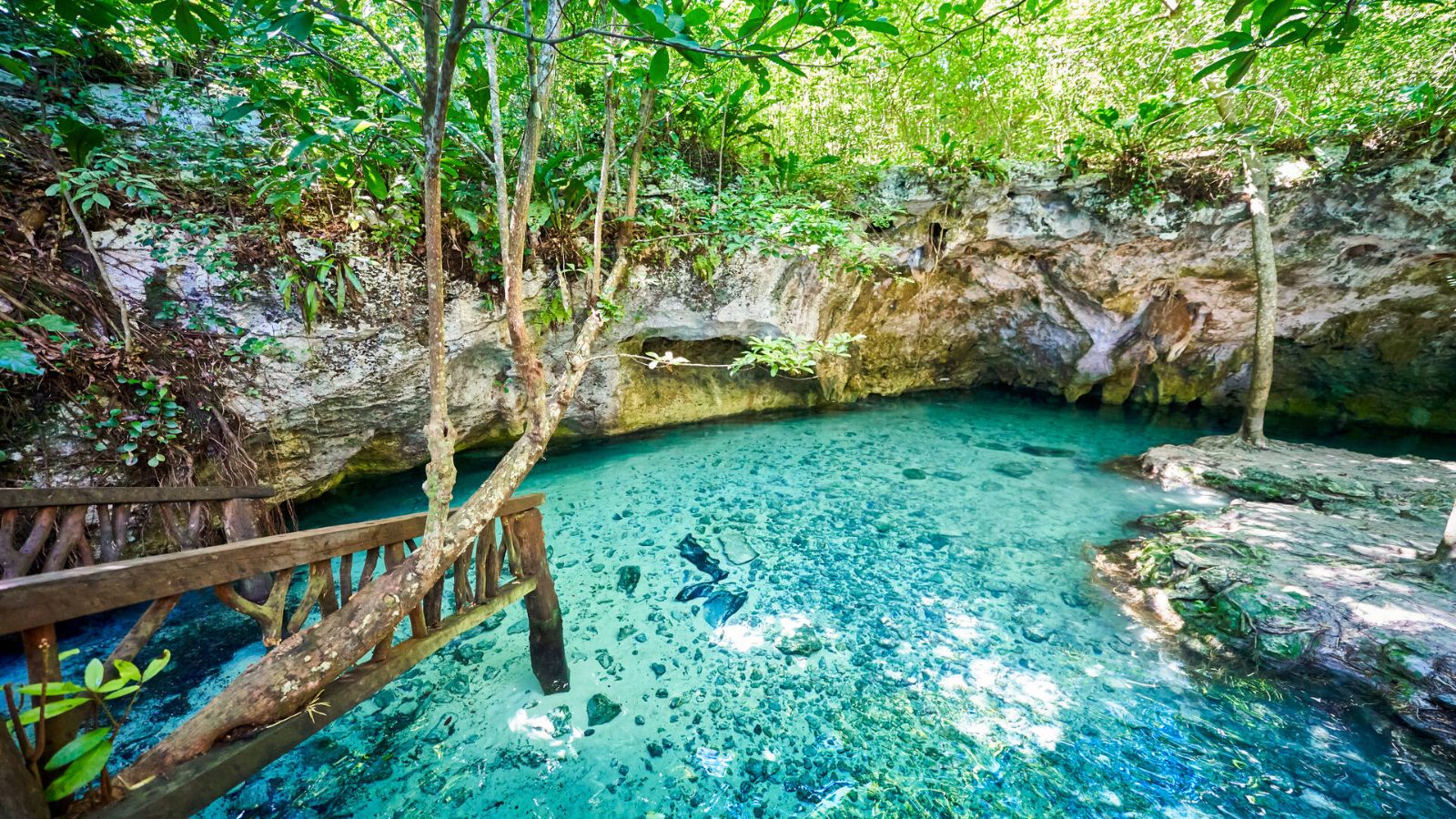
Gran Cenote

Gran Cenote

10 min drive

landmark

A limestone sinkhole with clear freshwater popular for snorkeling and cavern swimming.

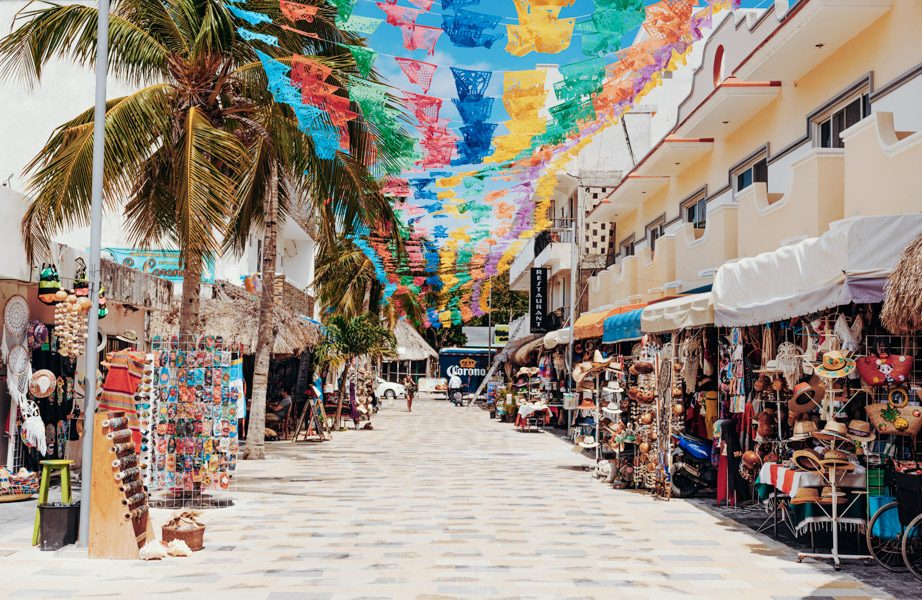
Tulum Pueblo

Tulum Pueblo

10 min drive

square

The town center with shops, restaurants, and the main bus terminal.

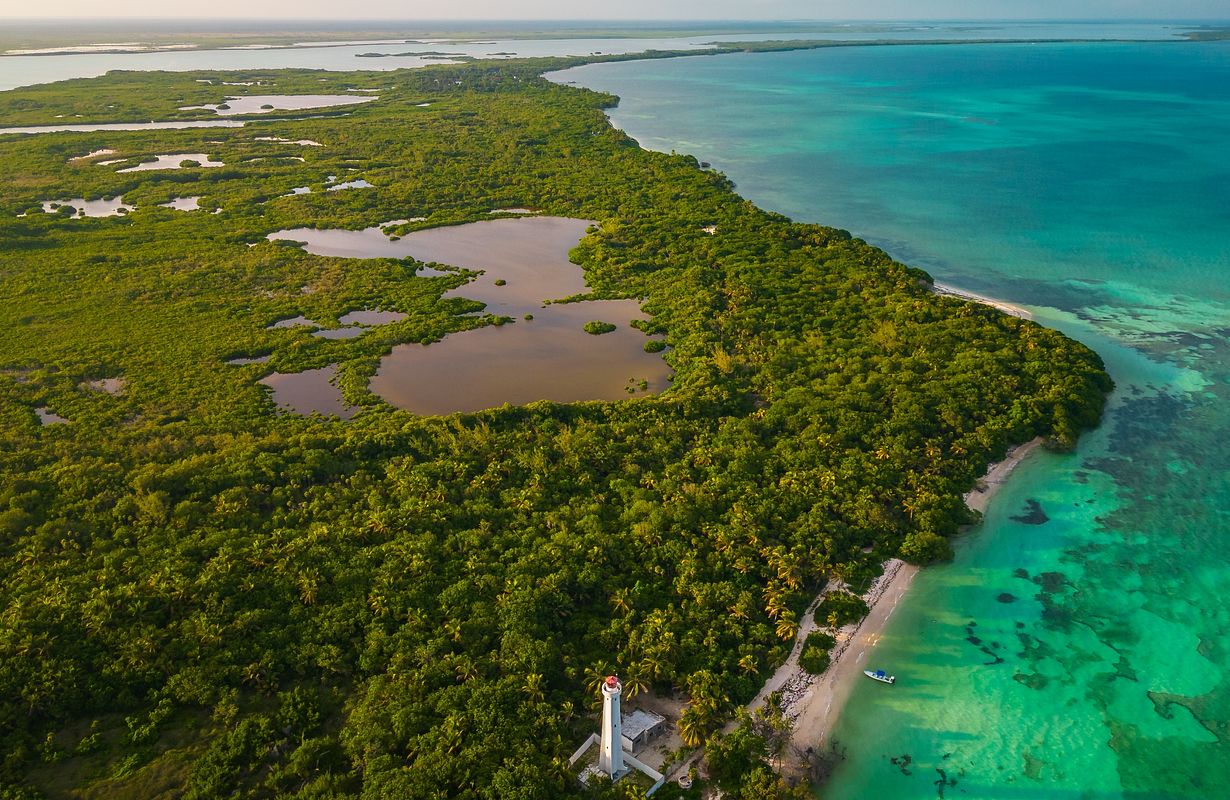
Sian Ka'an Biosphere Reserve

Sian Ka'an Biosphere Reserve

30 min drive

park

A UNESCO-listed wetland and mangrove reserve south of Tulum with boat tours and wildlife viewing.

Where to stay

Where to stay near Tulum Ruins Boat

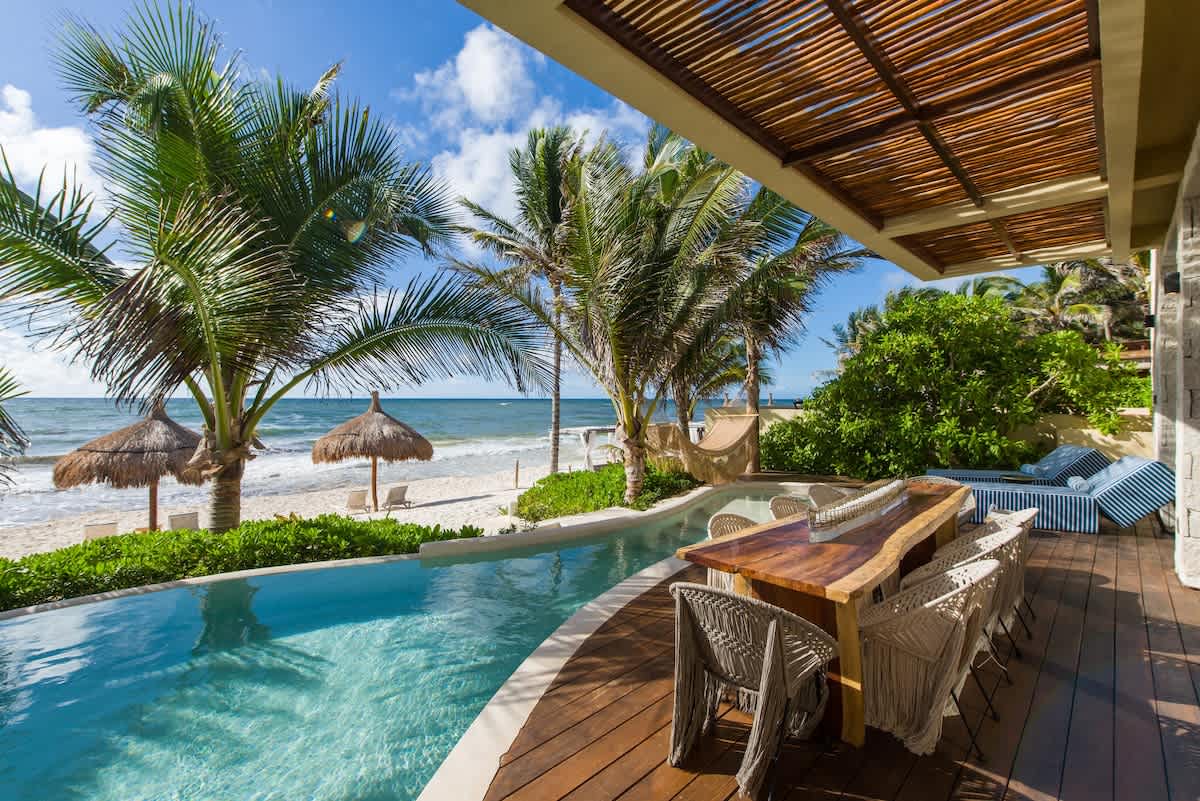
Tulum Hotel Zone

Tulum Hotel Zone

10 min drive

boutique

Beachfront boutique hotels along the coastal road south of the ruins.

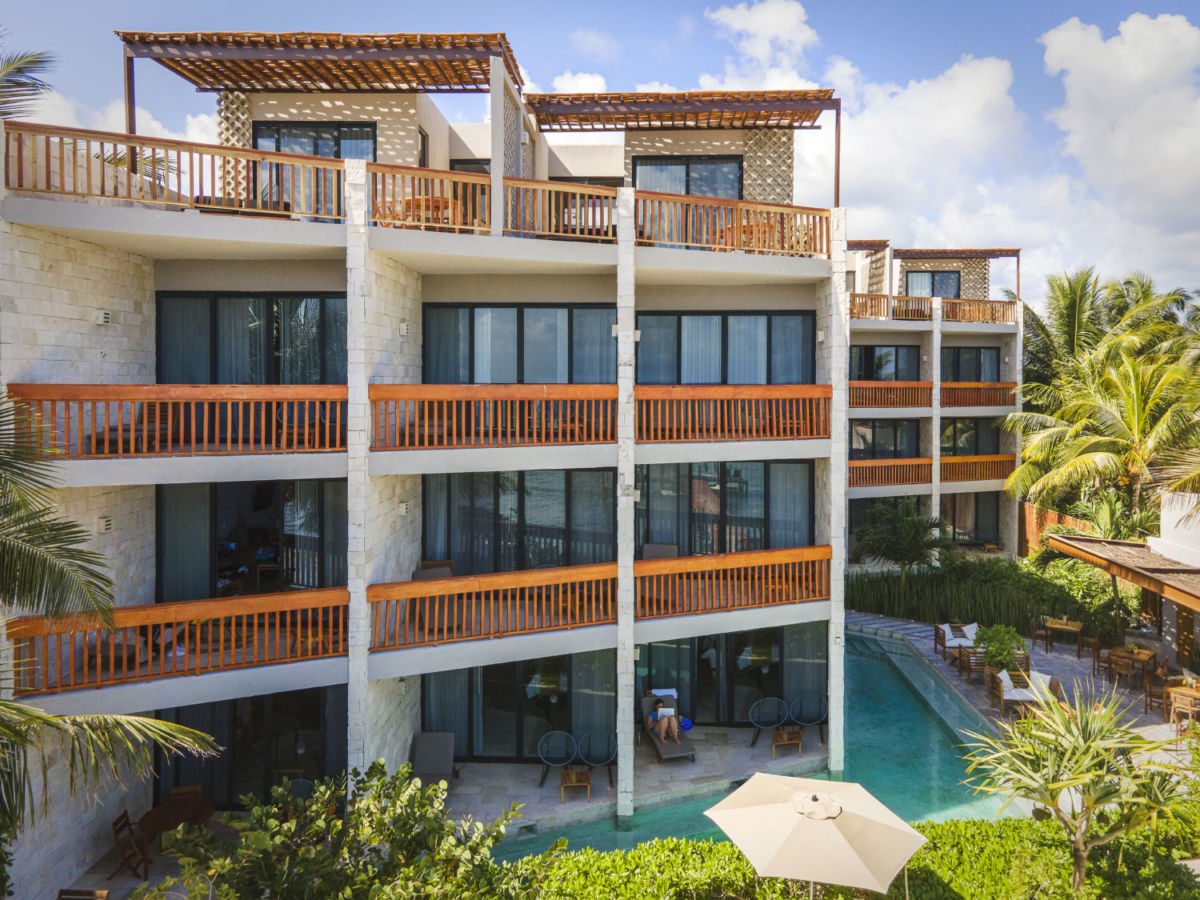
Tulum Pueblo district

Tulum Pueblo district

10 min drive

mid-range

Town-center hotels offering easier access to restaurants and transport.

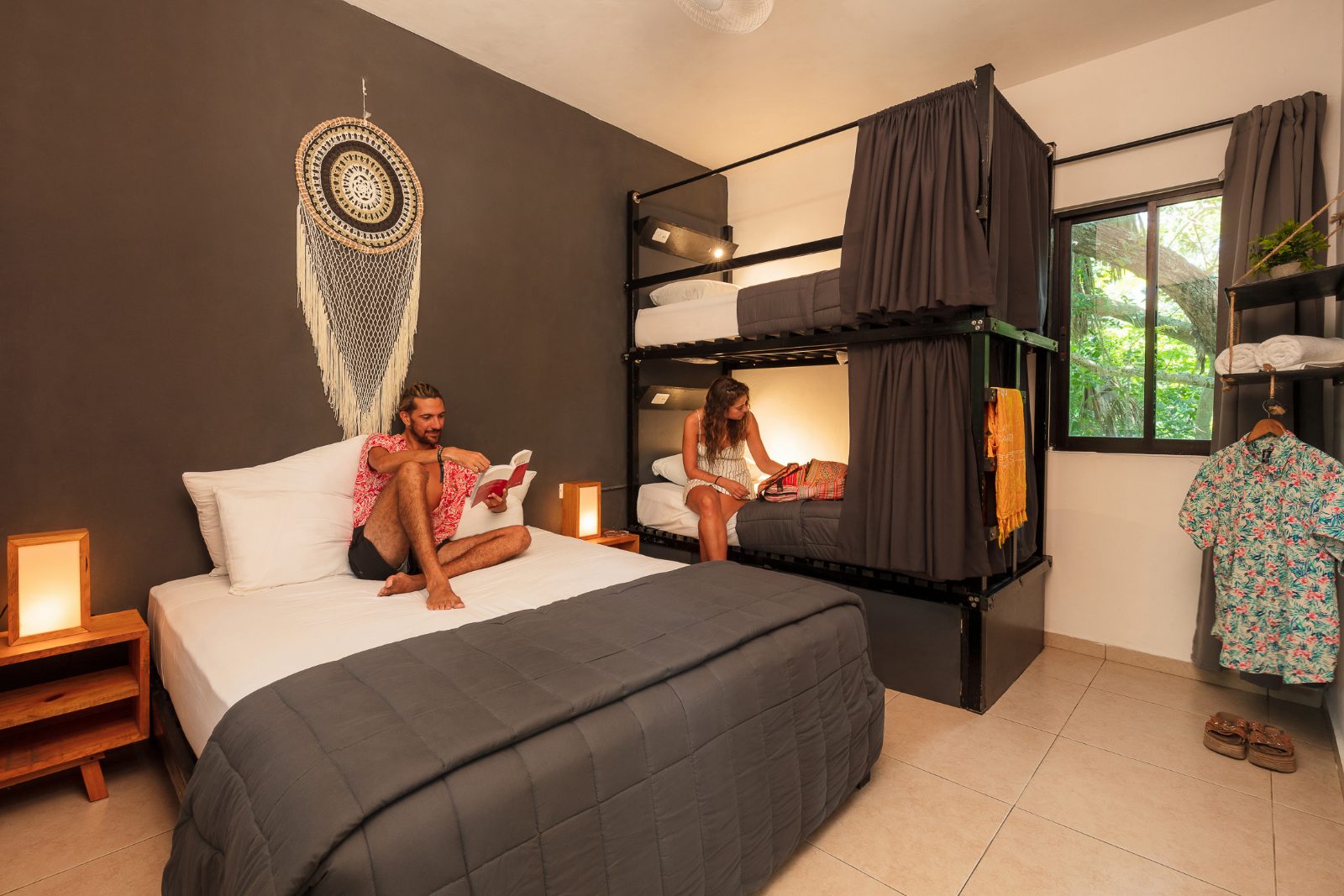
Budget hostels near ADO terminal

Budget hostels near ADO terminal

12 min drive

budget

Backpacker-oriented hostels clustered near the main bus station.

Ready for Adventure?

Join thousands of happy travelers who have discovered this incredible experience

Book Your Experience Now