12 hr
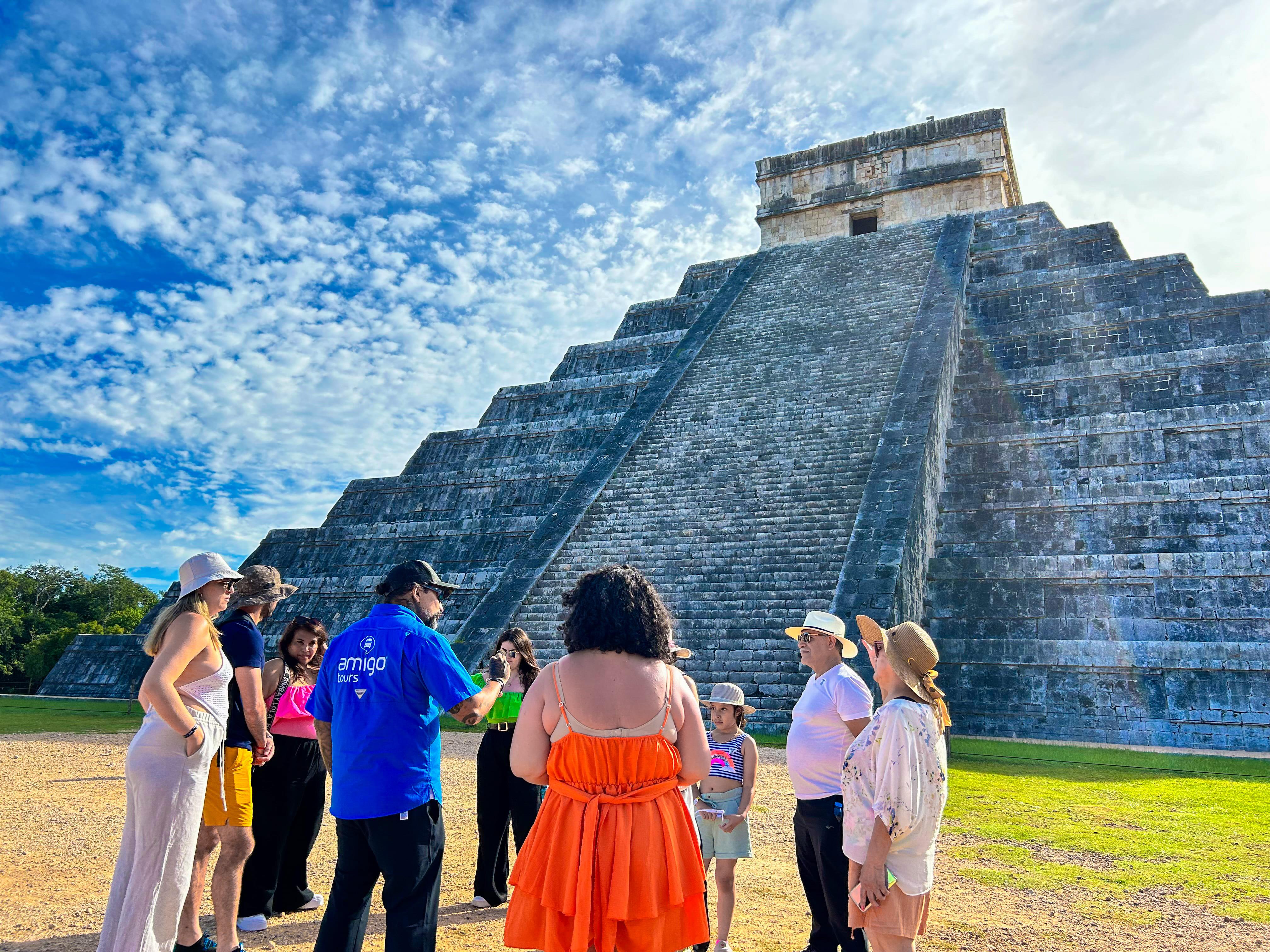
Chichén Itzá, Cenote & Valladolid Full-Day Tour
- Expert local guide
- Small group
- Skip-the-line access
- Free cancellation
Tulum Ruins Tour From Playa del Carmen — Coastal Maya Fortress & Cenote Excursions
Clifftop temples above turquoise waters, half-day departures from Playa del Carmen
Compare fares, pick the fit — all bookings are mobile-voucher and eligible for free cancellation where shown.
12 hr
10 hr
12 hr
| Experience | Duration | Rating | Pickup | Lunch | Skip-the-line | Guide | Price | |
|---|---|---|---|---|---|---|---|---|
|
Guided Experience
Most popular
Chichén Itzá, Cenote & Valladolid Full-Day Tour
|
12 hr | ★ 4.6 | ✓ | ✓ | ✓ | ✓ | €50 | Book → |
|
Guided Experience
Tulum Ruins, Cenote Mariposa & Playa del Carmen Day Trip
|
10 hr | ★ 4.6 | ✓ | ✓ | ✓ | ✓ | €31 | Book → |
|
Guided Experience
Chichen Itza, Valladolid & Cenote Day Trip
|
12 hr | ★ 4.5 | ✓ | ✓ | ✓ | ✓ | $93 | Book → |
Worth it for coastal ruins and combo value
A tulum ruins tour from playa del carmen delivers good value when you factor in the 95 MXN gate fee, transport logistics, and what you get in return: clifftop Maya temples overlooking turquoise Caribbean water. The site itself is compact—most visitors spend 90 minutes walking the grounds—but the coastal setting sets it apart from inland ruins. Tours from Playa del Carmen typically bundle Tulum with cenote swims or snorkeling, stretching the day's value beyond the archaeological zone alone. If you book a Tulum ruins tour from Playa del Carmen that includes a cenote stop and beach time, you're paying for convenience and a curated route, not just site admission. Solo travelers renting a car pay less but lose the guided context. Families and first-timers get better return from combo packages that fold in Coba or sea turtle encounters, turning a short ruin visit into a full coastal experience. The 95 MXN entrance fee is negligible; your real cost is transport and time, which organized tulum ruins tour from playa del carmen tours optimize by handling the 60 km drive and parking hassles.
Bottom line: Book a combo package to justify the tour cost—Tulum ruins tour from playa del carmen tickets pair best with cenote or beach add-ons that stretch your day's value beyond the brief archaeological visit.
Most travelers comparing a tulum ruins tour from playa del carmen against a Chichen Itza trip pick Tulum for a short, scenic half-day and save Chichen Itza for a full day dedicated to Mexico's best-known pyramid.
|
Top pick Tulum Archaeological Site |
Chichen Itza | |
|---|---|---|
| What you see | Cliffside ruins over the Caribbean | Kukulkan pyramid and stone ballcourt |
| Distance from Playa del Carmen | About 62 km (1 hour) | About 200 km (2.5–3 hours) |
| Typical tour duration | 1–1.5 hours on site | 2–3 hours on site |
| Crowd levels | Moderate, heavier by mid-morning | Heavy, especially midday tour buses |
| Setting | Coastal, ocean-view cliffs | Inland jungle plain |
| Best for | Short half-day trips, beach pairing | Full-day trips focused on one landmark |
| See tickets & prices |
Verdict: Choose Tulum for a quick coastal add-on to a beach day, and Chichen Itza when the pyramid itself is the main reason for the trip.
Hand-picked experiences loved by thousands of travelers
8 hours
Free Cancellation
Discover ancient Mayan heritage, swim in crystalline cenotes, and snorkel with wild sea turtles
12 hours
Free Cancellation
Explore two iconic archaeological sites, swim through underground caverns, and savor authentic Mexican flavors
12 hours
Free Cancellation
Discover ancient Mayan cities, swim in a jungle cenote, and experience traditional ceremonies on this 12-hour adventure.
8 hours
Free Cancellation
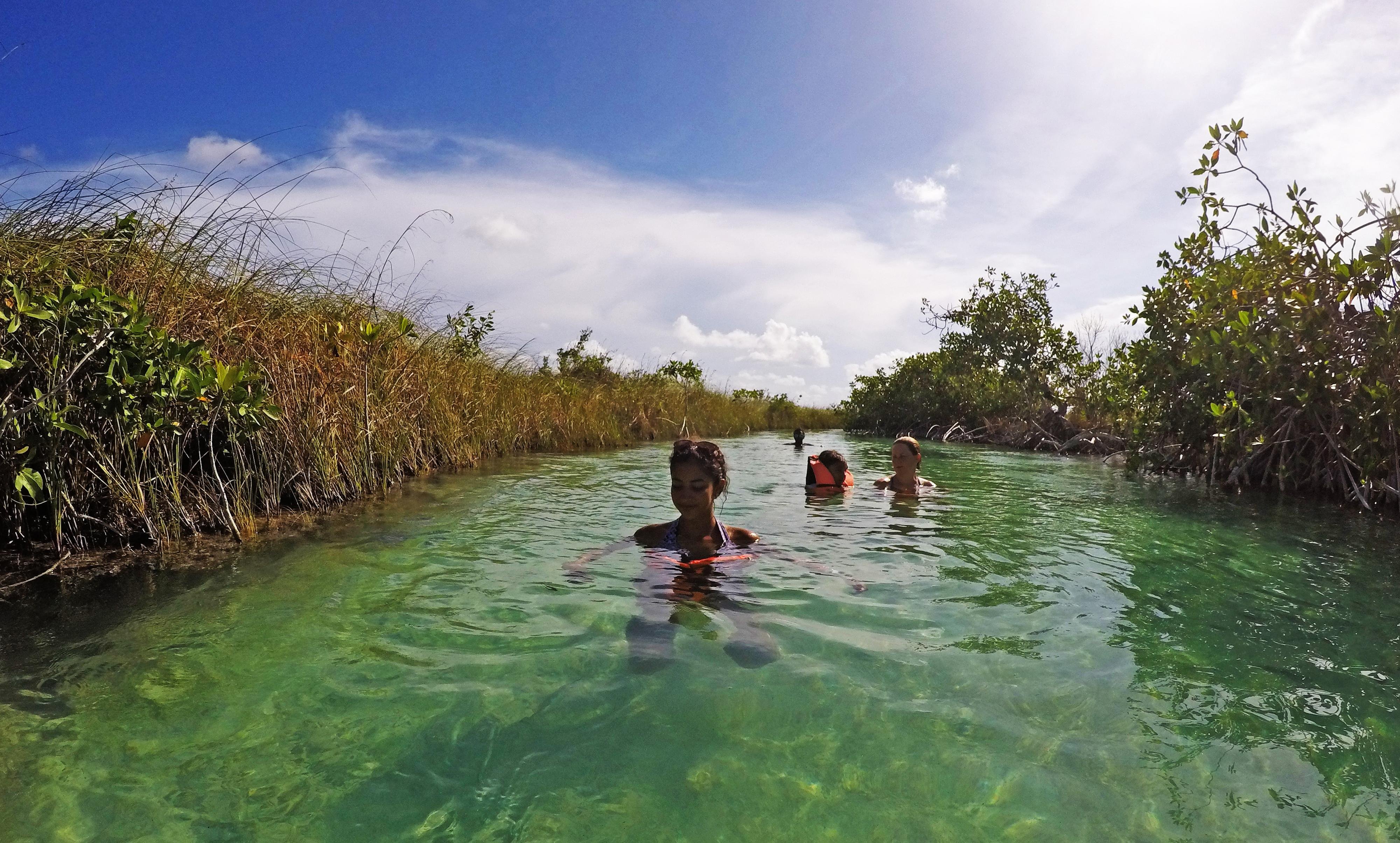
Navigate millennia-old waterways through UNESCO wetlands, float crystal-clear channels, and savor authentic Maya cuisine
6 hours
Free Cancellation
Journey through ancient Mayan history and float down a pristine natural river in a protected biosphere reserve
8 hours
Free Cancellation
Full-day Riviera Maya experience blending ancient Mayan heritage, Caribbean wildlife, cenote swimming, and traditional cuisine
6 hours
Free Cancellation
Discover ancient coastal ruins, swim in sacred underground waters, and experience authentic Maya culture
7 hours
Free Cancellation
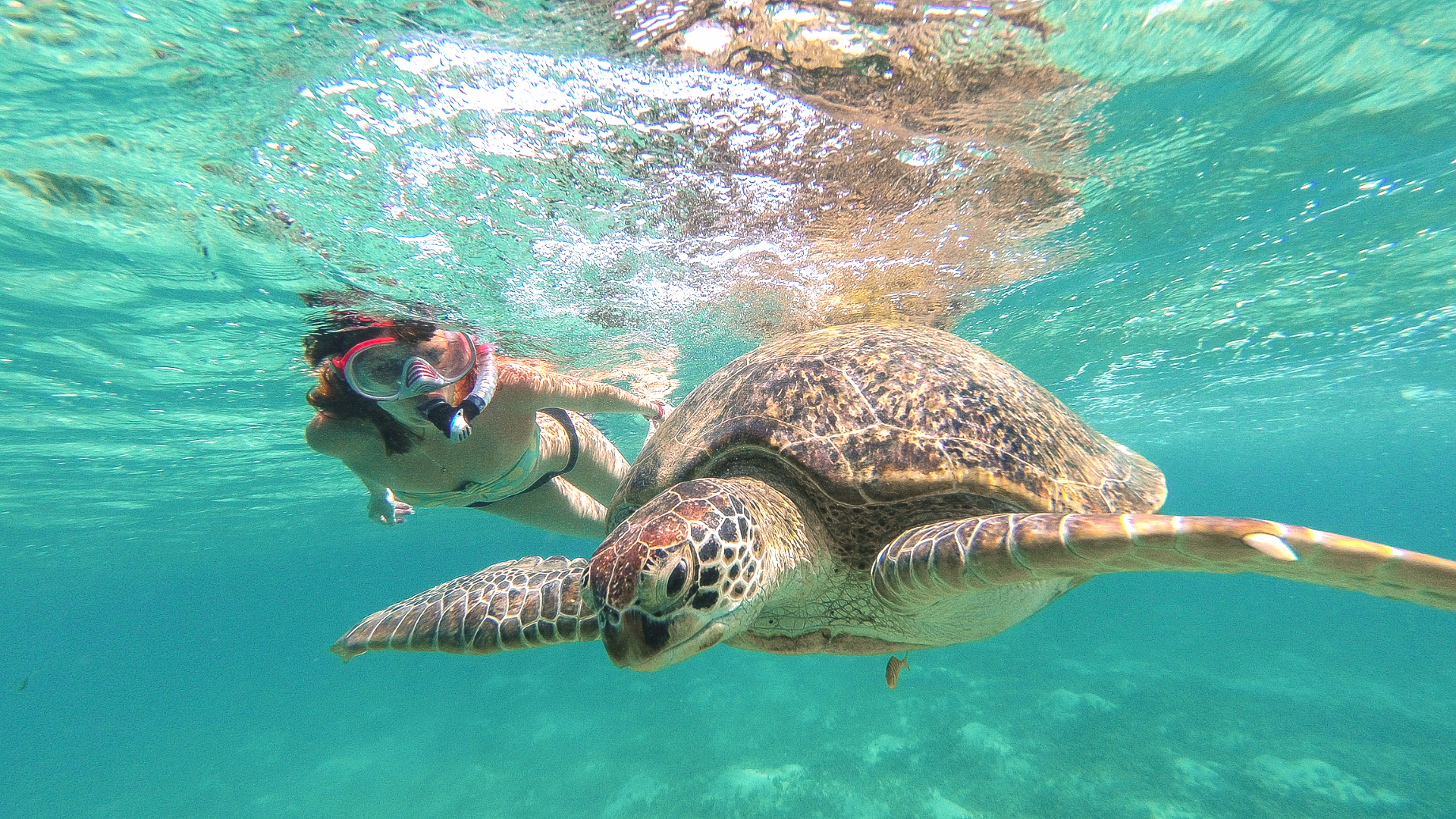
Explore ancient Maya temples, swim in a jungle cenote, and snorkel with sea turtles in Akumal Bay
Purchase the 95 MXN INAH admission at the gate and pass through the entrance path toward the ruins
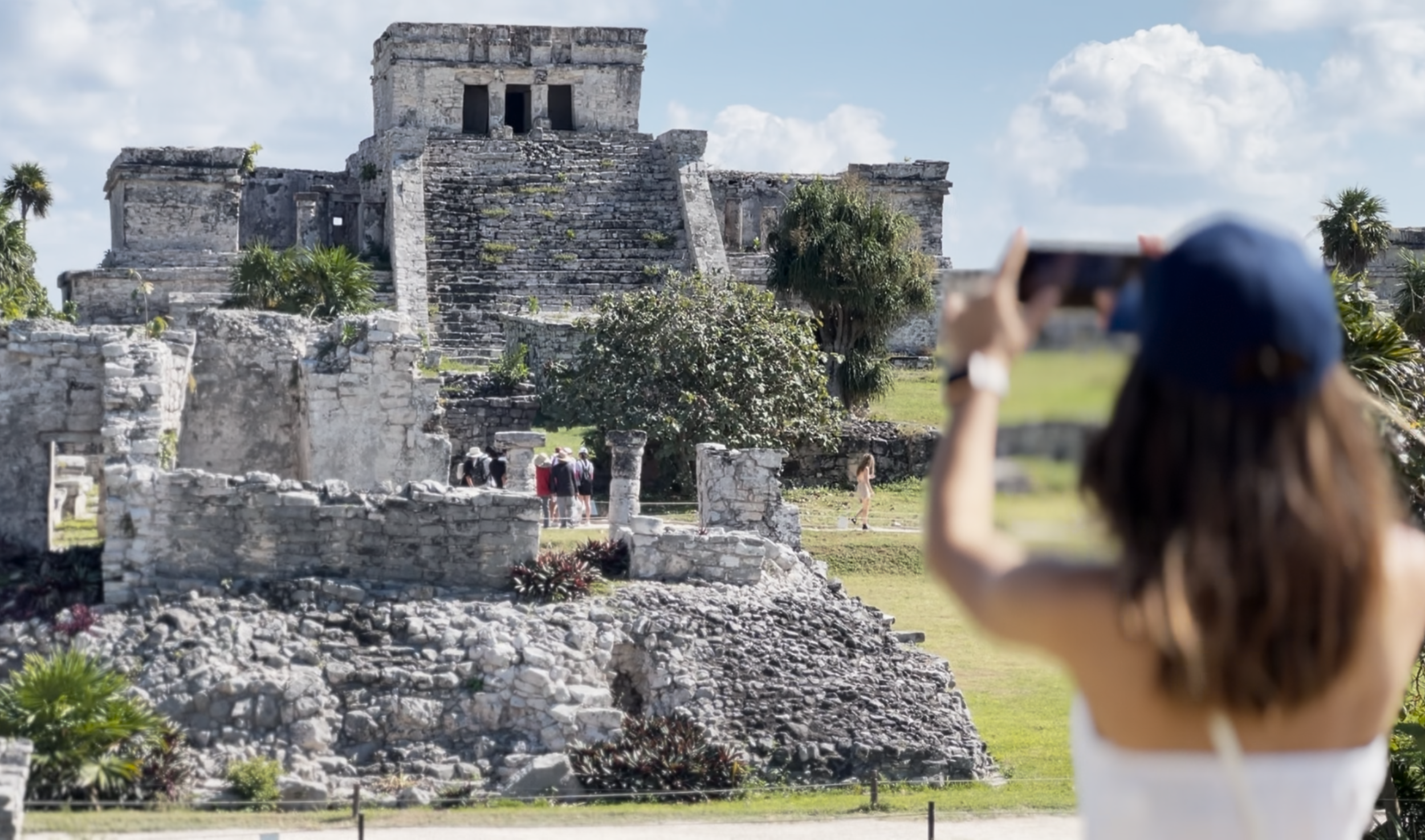
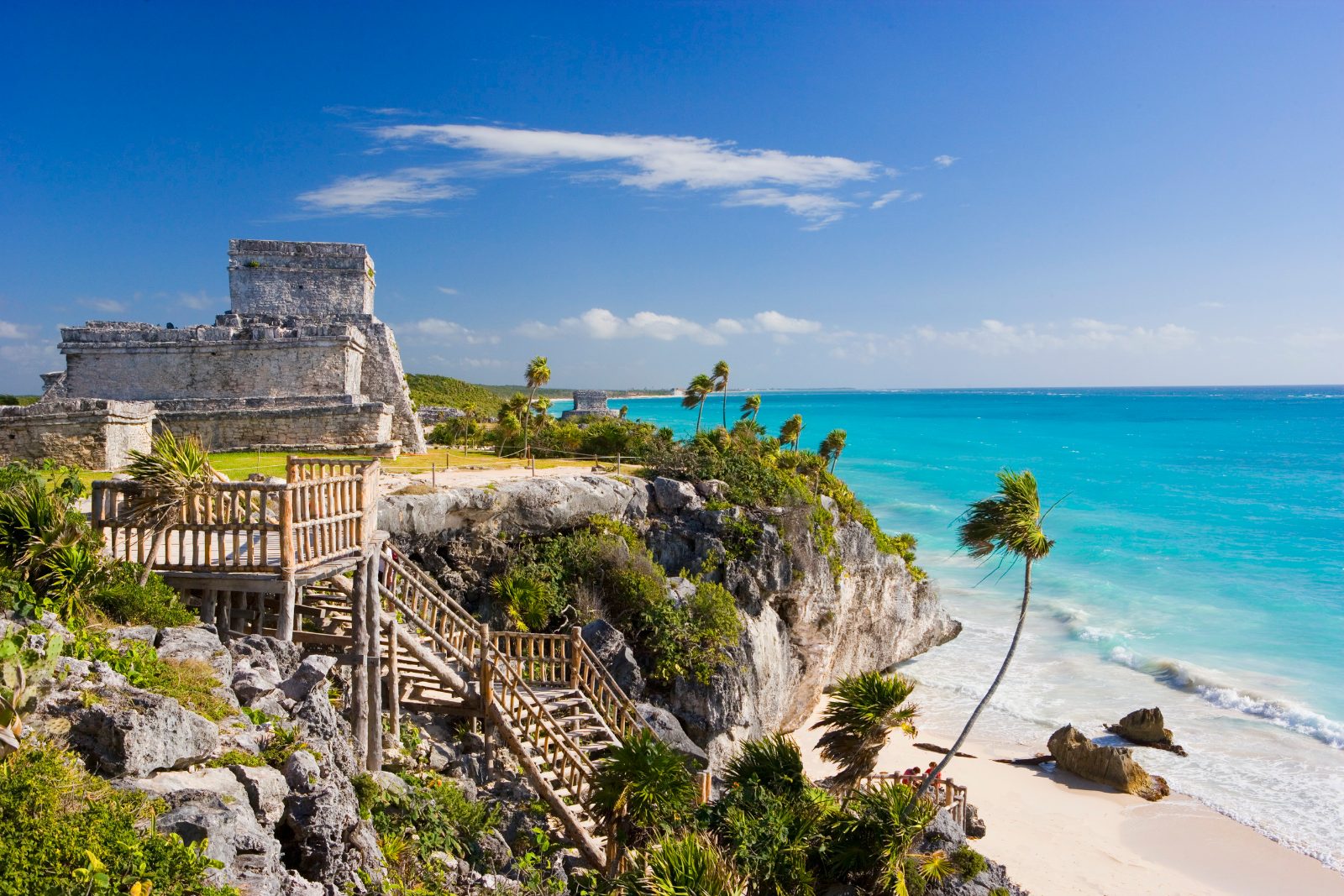
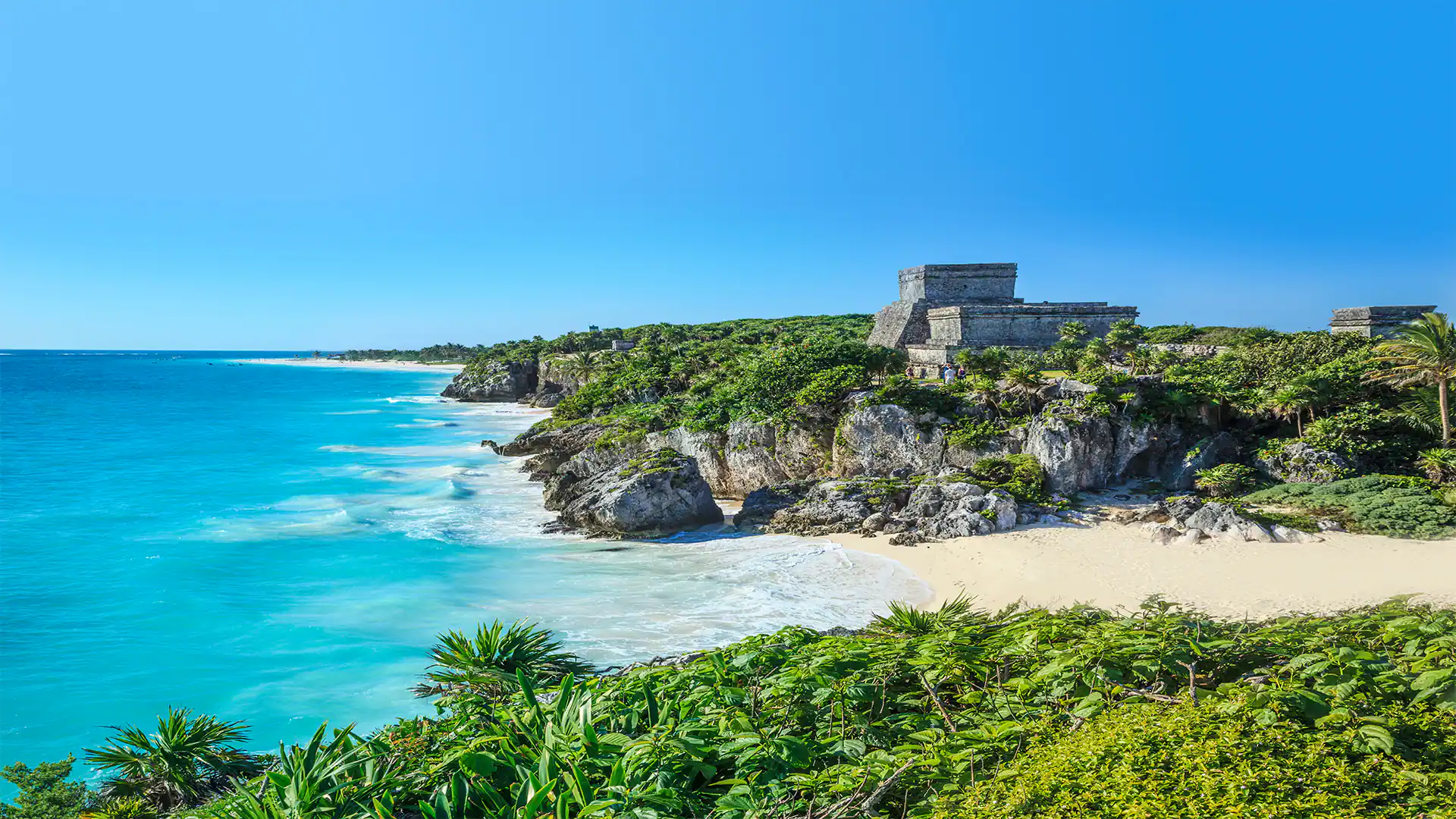
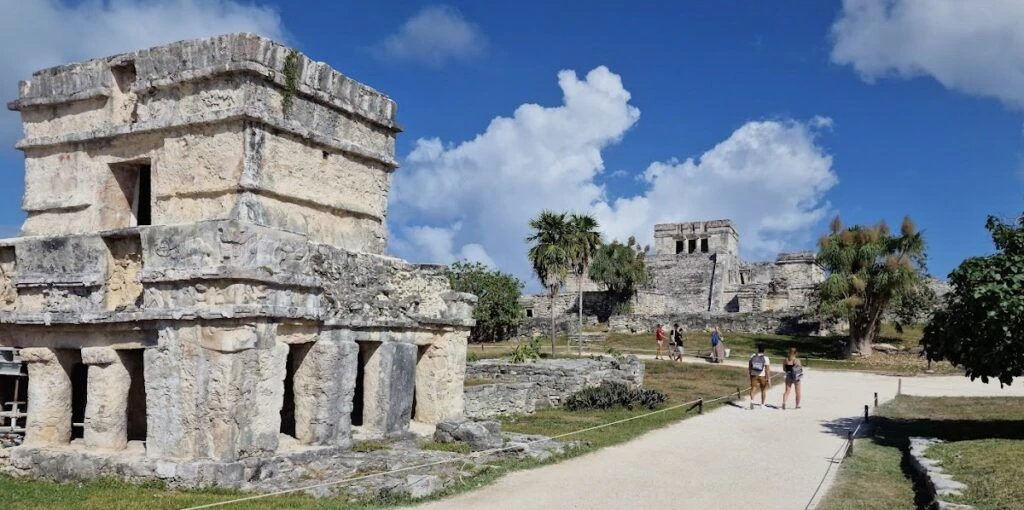
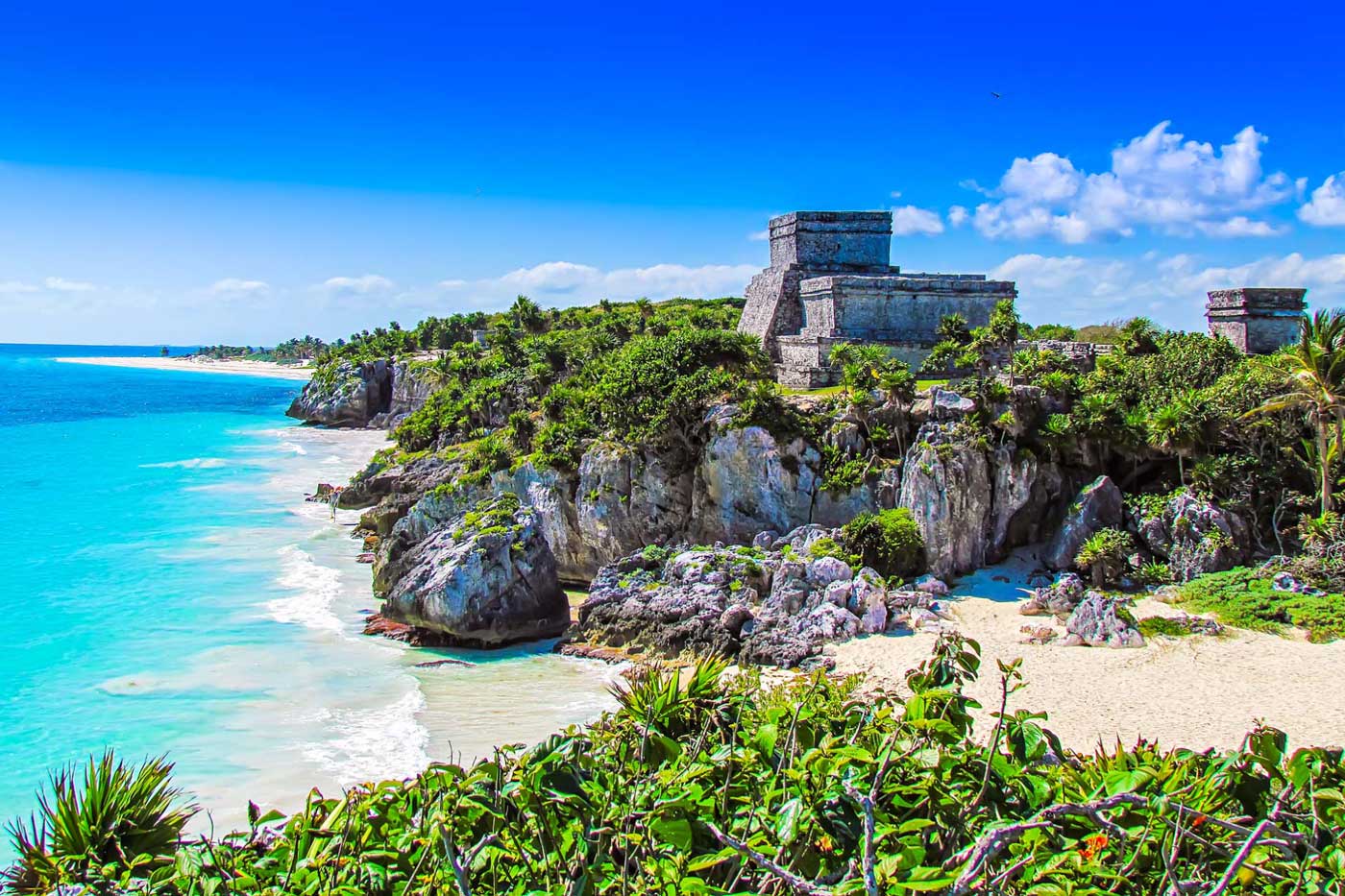
Follow the main path from the entrance toward the clifftop platform where El Castillo overlooks the Caribbean Sea
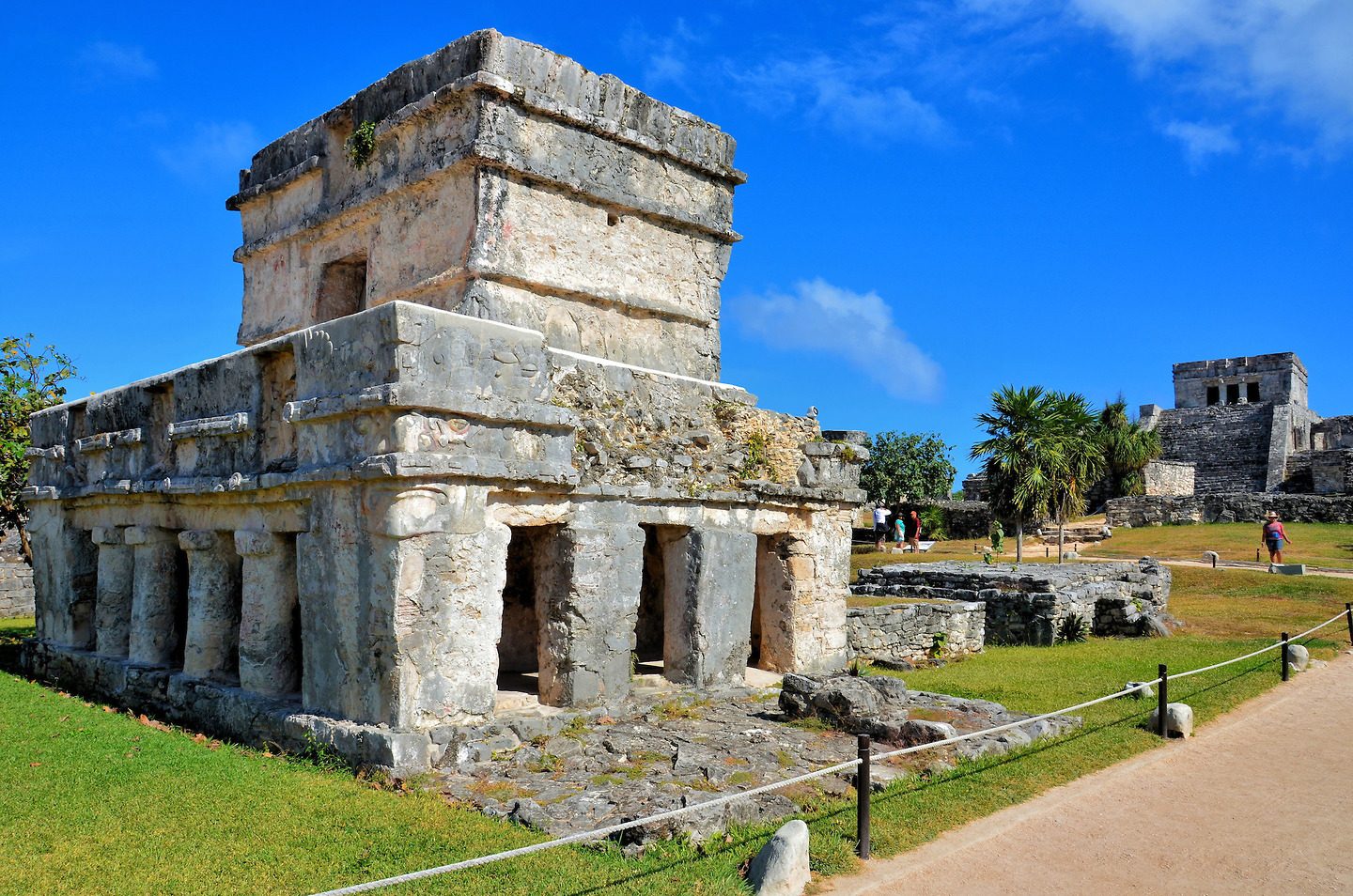
Circle past the smaller temples and painted murals clustered near the central plaza area
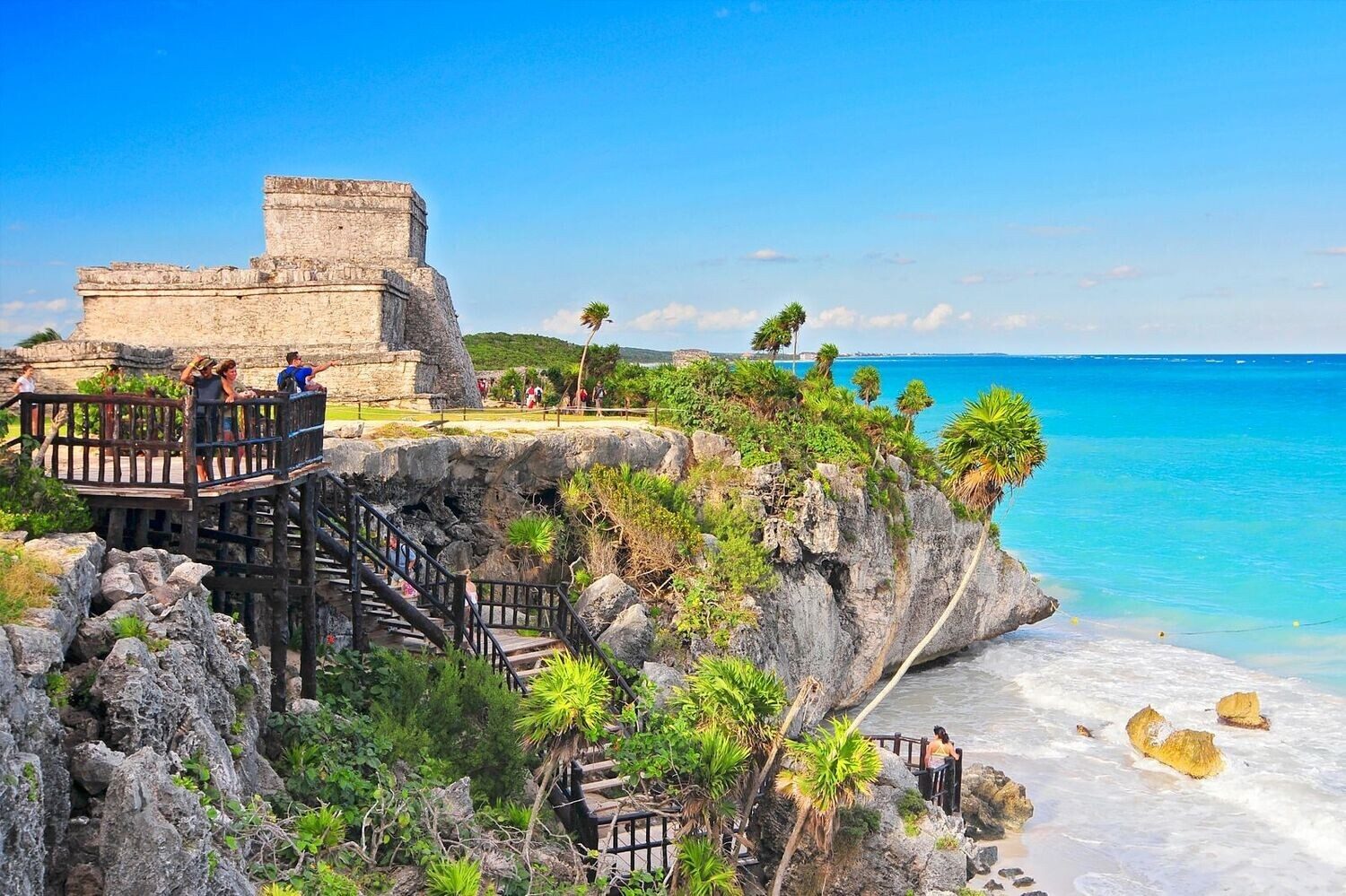
Descend the wooden staircase to the small cove beach inside the archaeological zone for photos or a swim
Pass back through the craft stalls and visitor center on the way out toward transport pickup
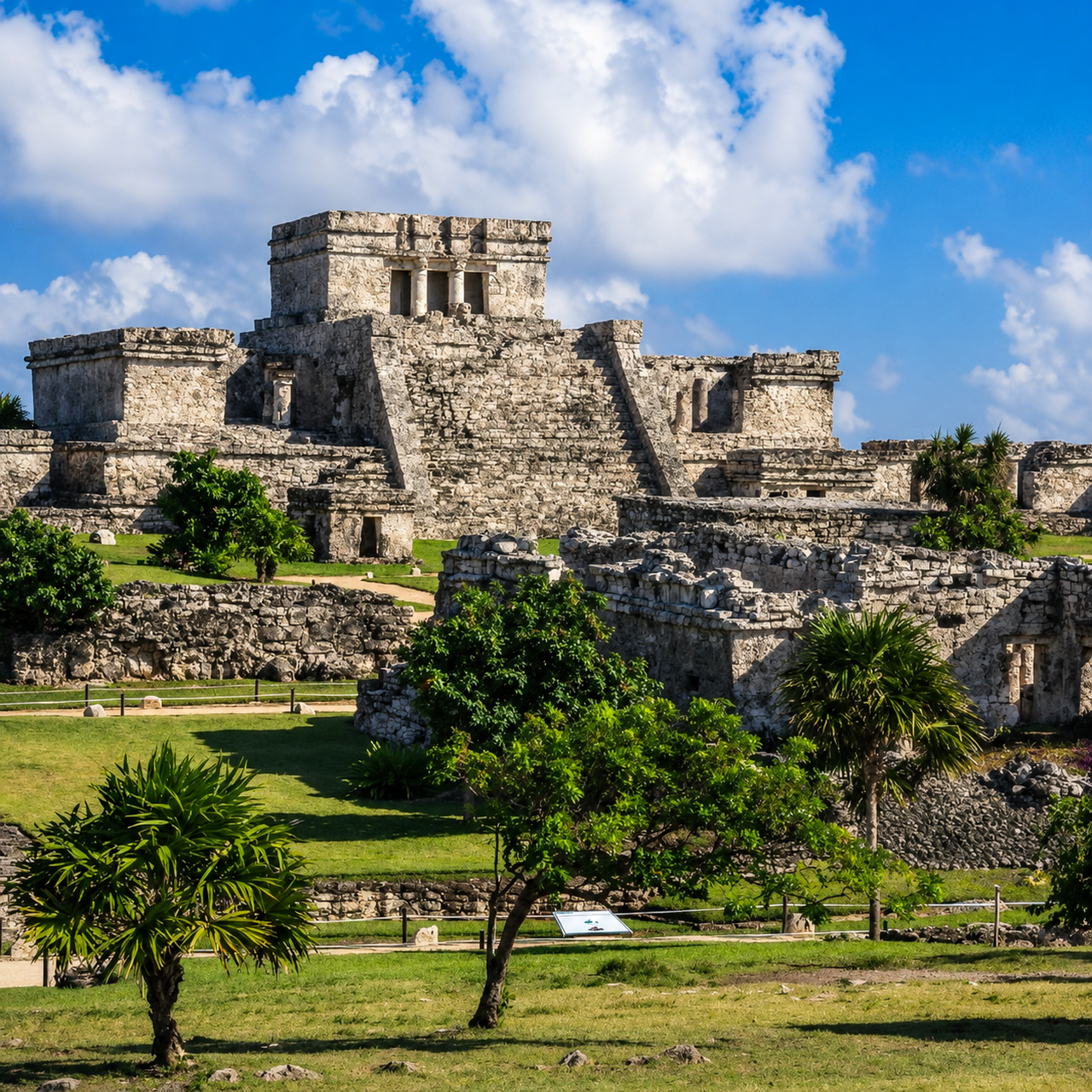
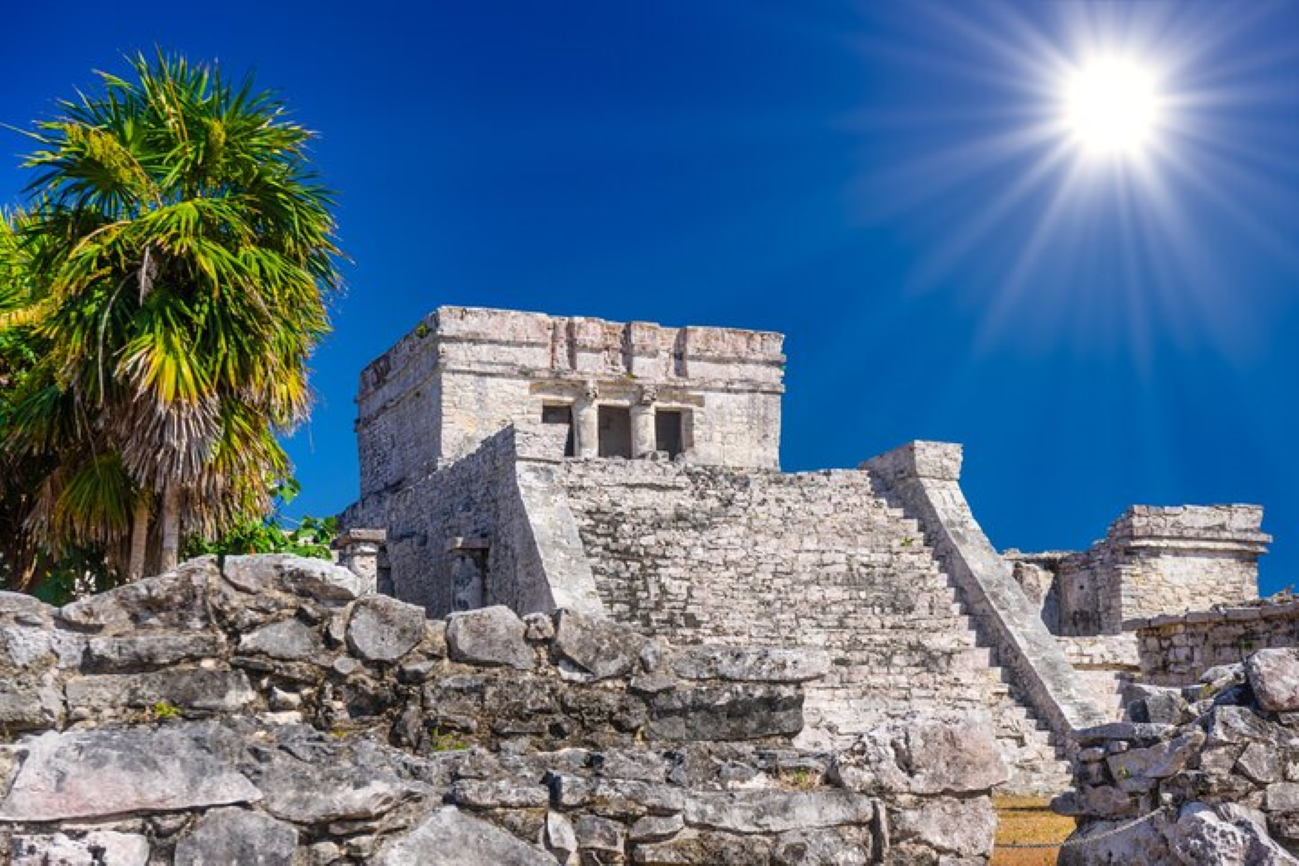
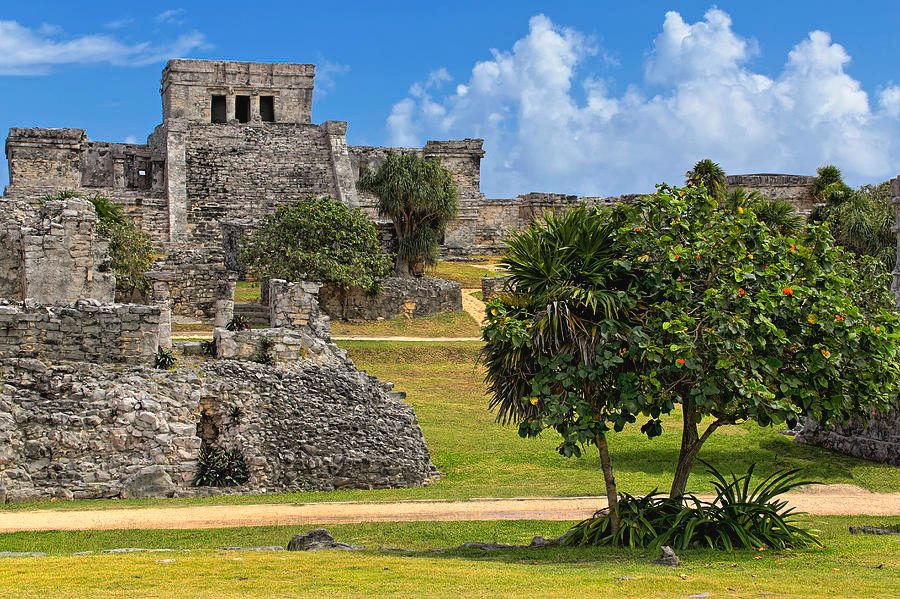
The tallest structure at the site rises above the clifftop and once functioned partly as a lighthouse, with its position allowing ancient navigators to align safe passage through the reef offshore. Its facade still shows traces of the original stucco decoration despite centuries of coastal weathering.
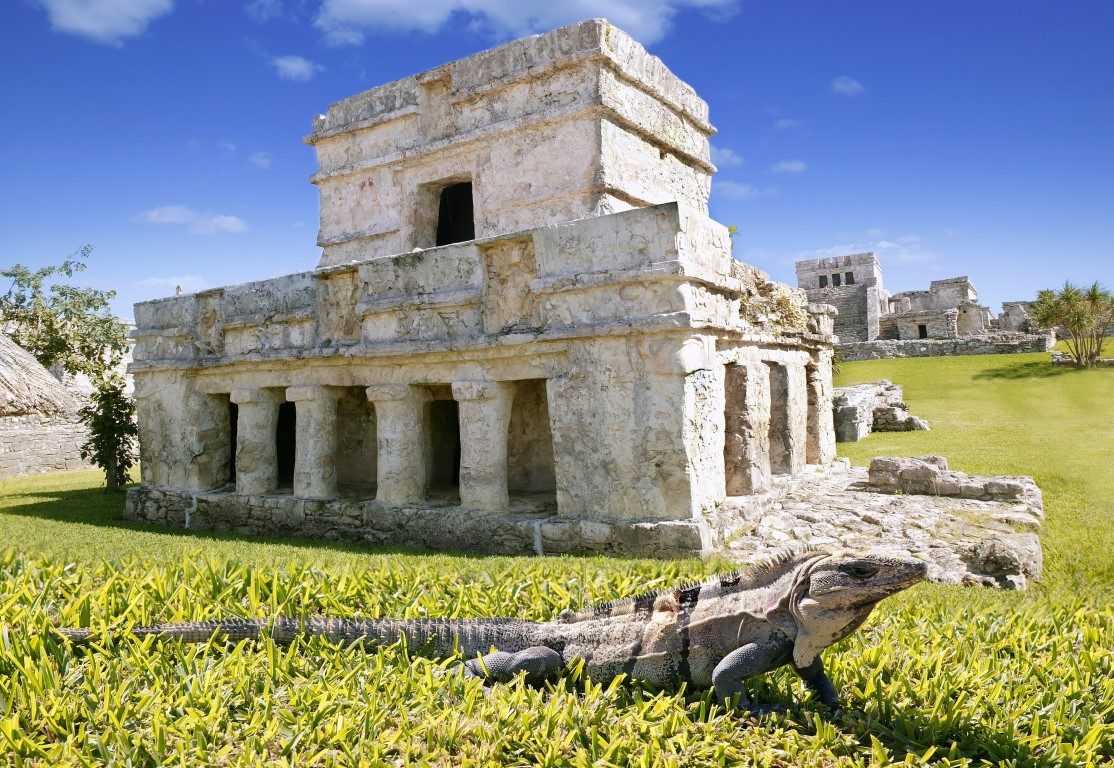
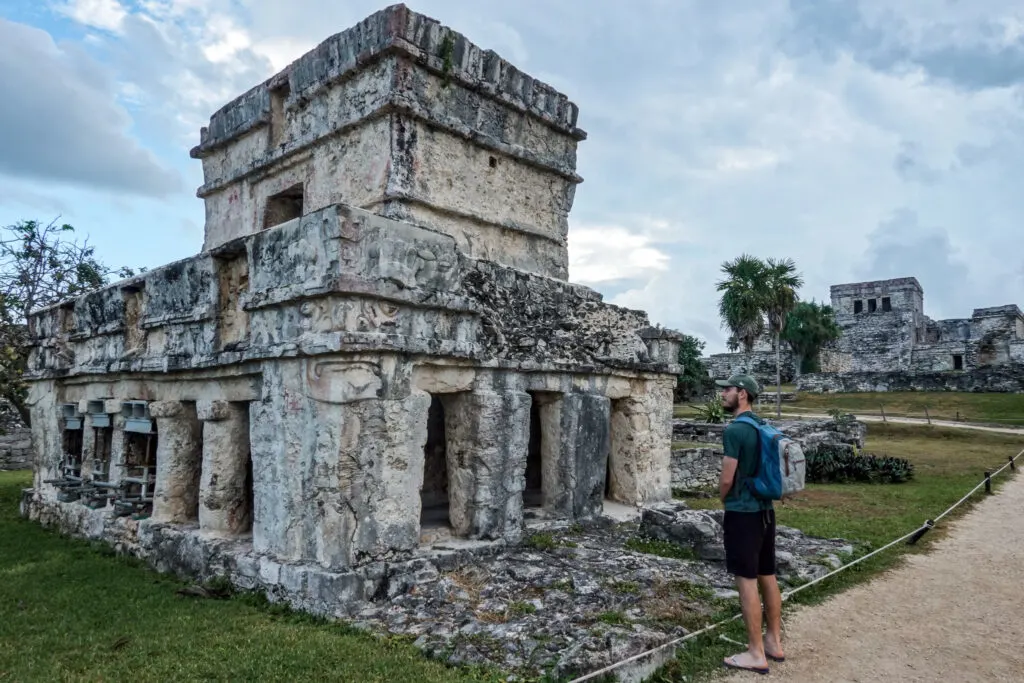
This structure holds interior murals depicting Maya deities and cosmological scenes, painted in blue, black, and red pigments that remain partially visible today. Public access to the interior is restricted, so most visitors view it from an exterior walkway.
Named for a carved figure above its entrance depicting an inverted deity descending headfirst, a motif found at only a handful of Maya sites along the Caribbean coast. The structure sits close to the cliff edge near El Castillo.
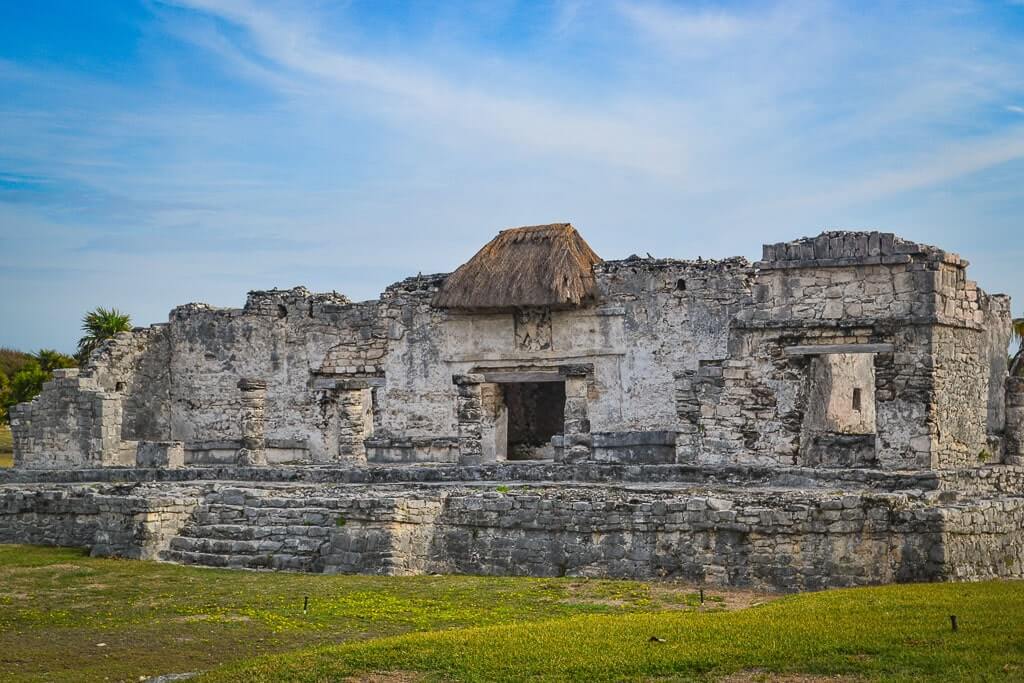
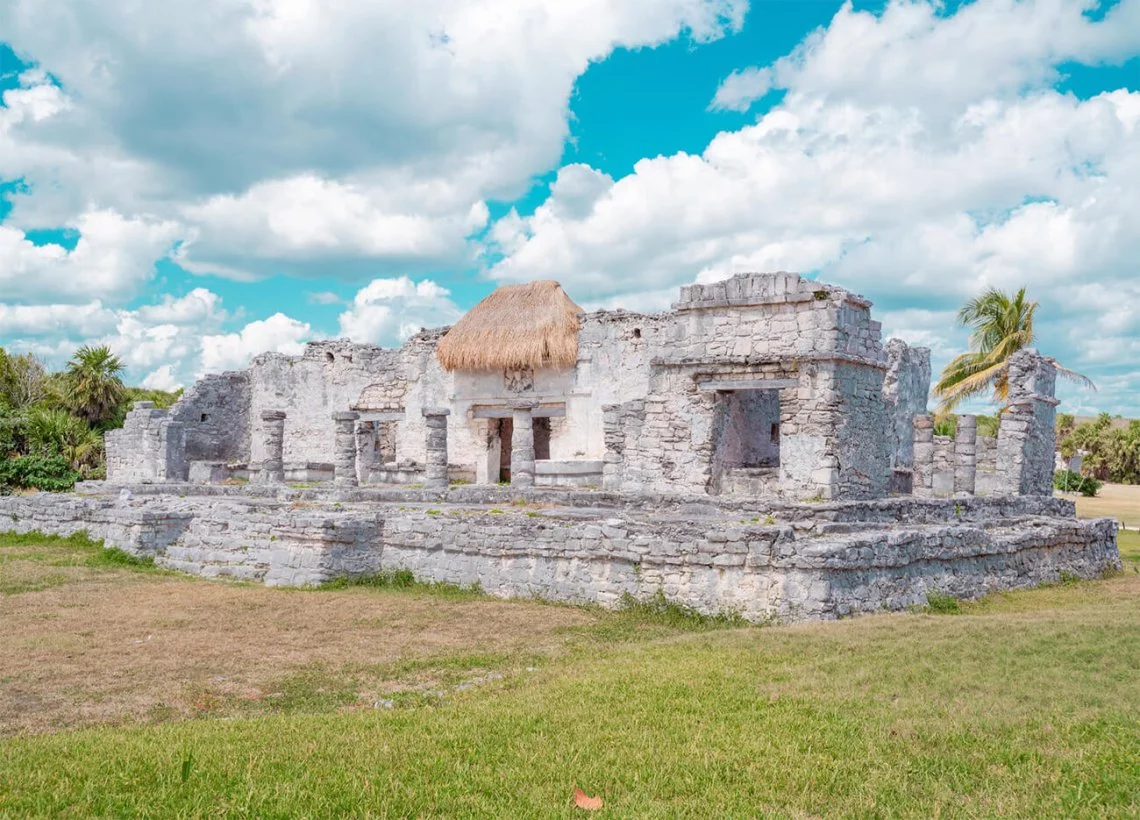
This residential-style structure is believed to have housed a high-ranking Maya lord or governor, reflecting the site's role as an administrative center rather than purely ceremonial grounds. Its layout differs from the temple structures nearby.
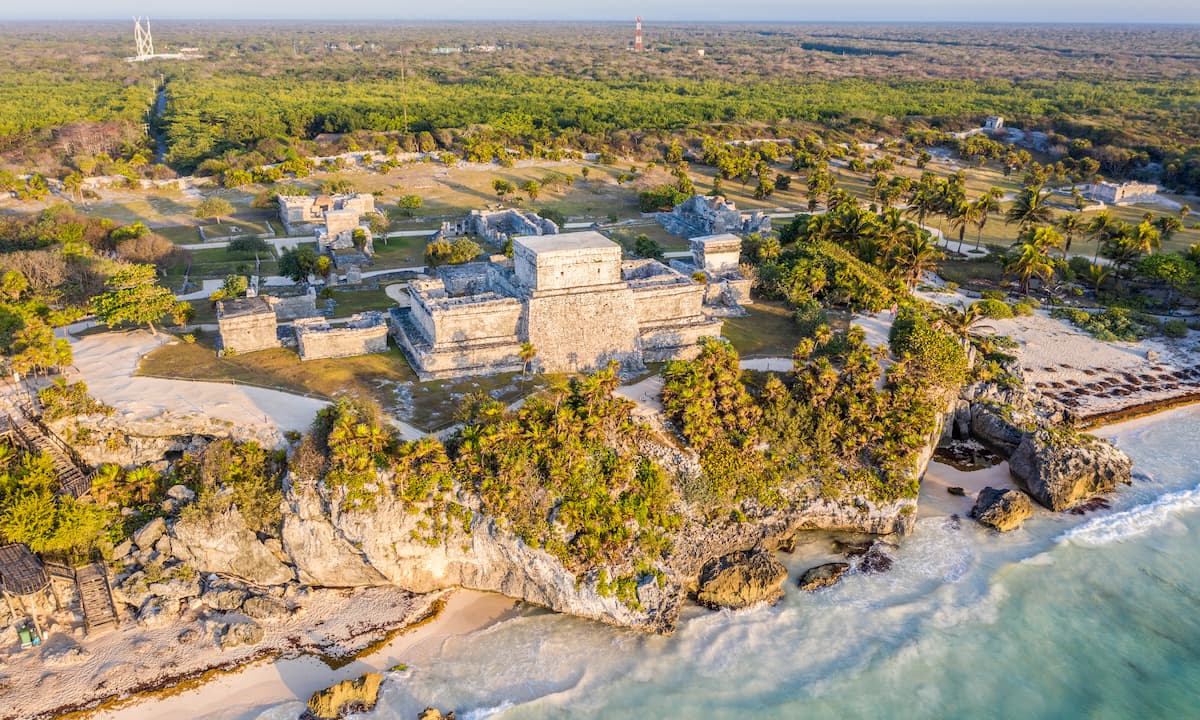
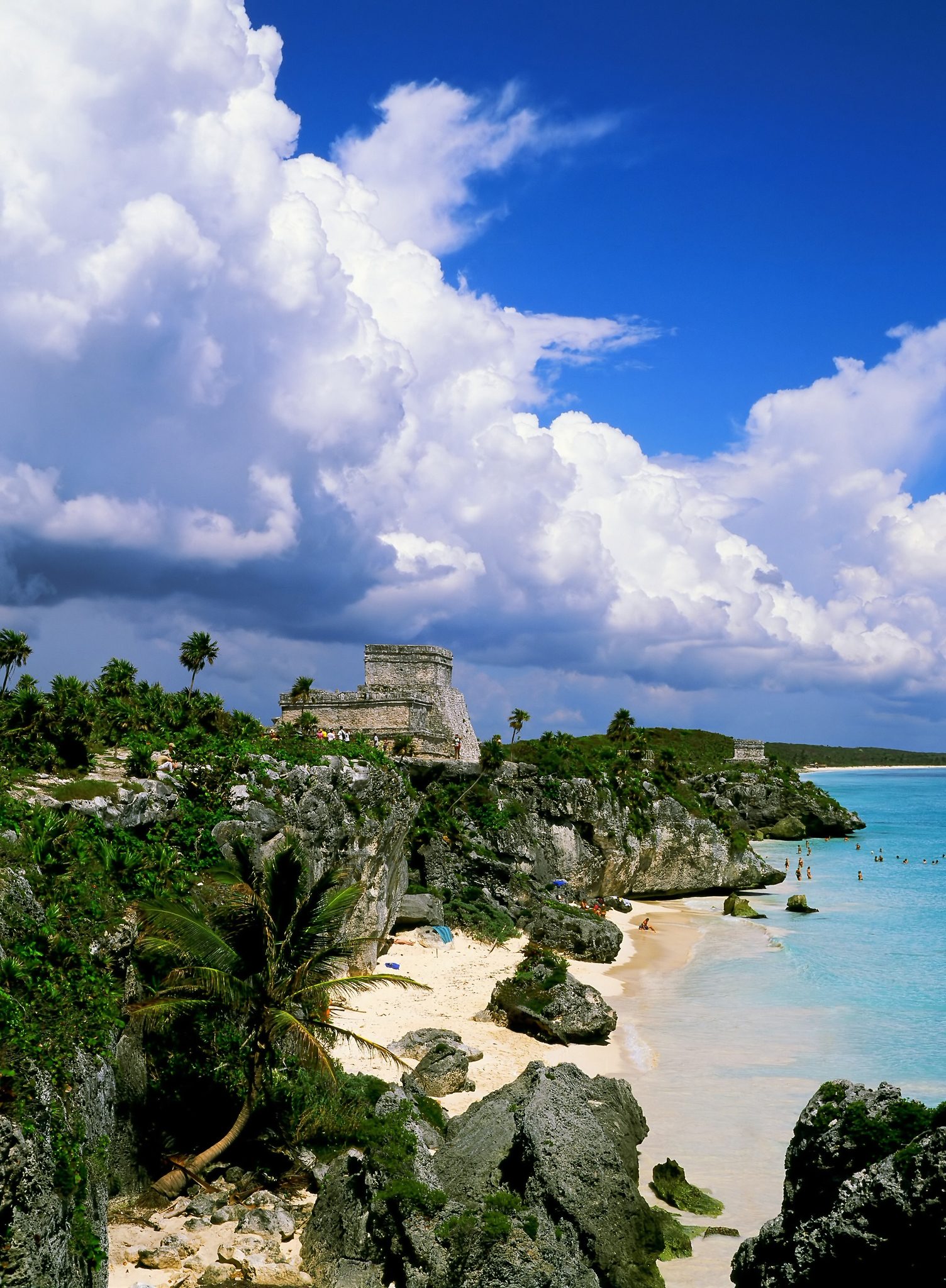
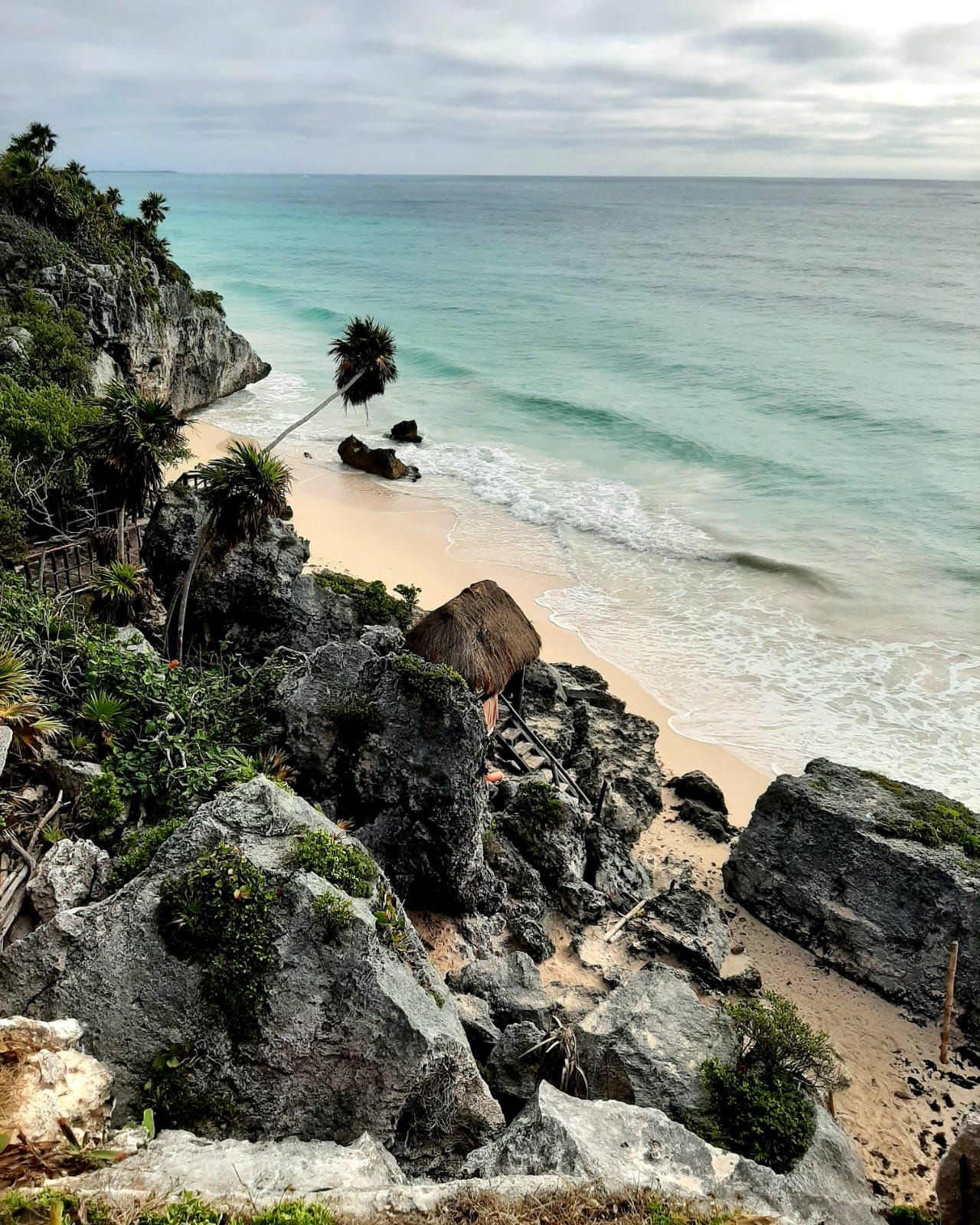
A small sheltered cove sits directly below the clifftop ruins, reached by a wooden staircase, offering one of the only Maya archaeological sites in Mexico with direct beach access inside the perimeter. The turquoise water contrasts sharply against the gray limestone cliffs above.
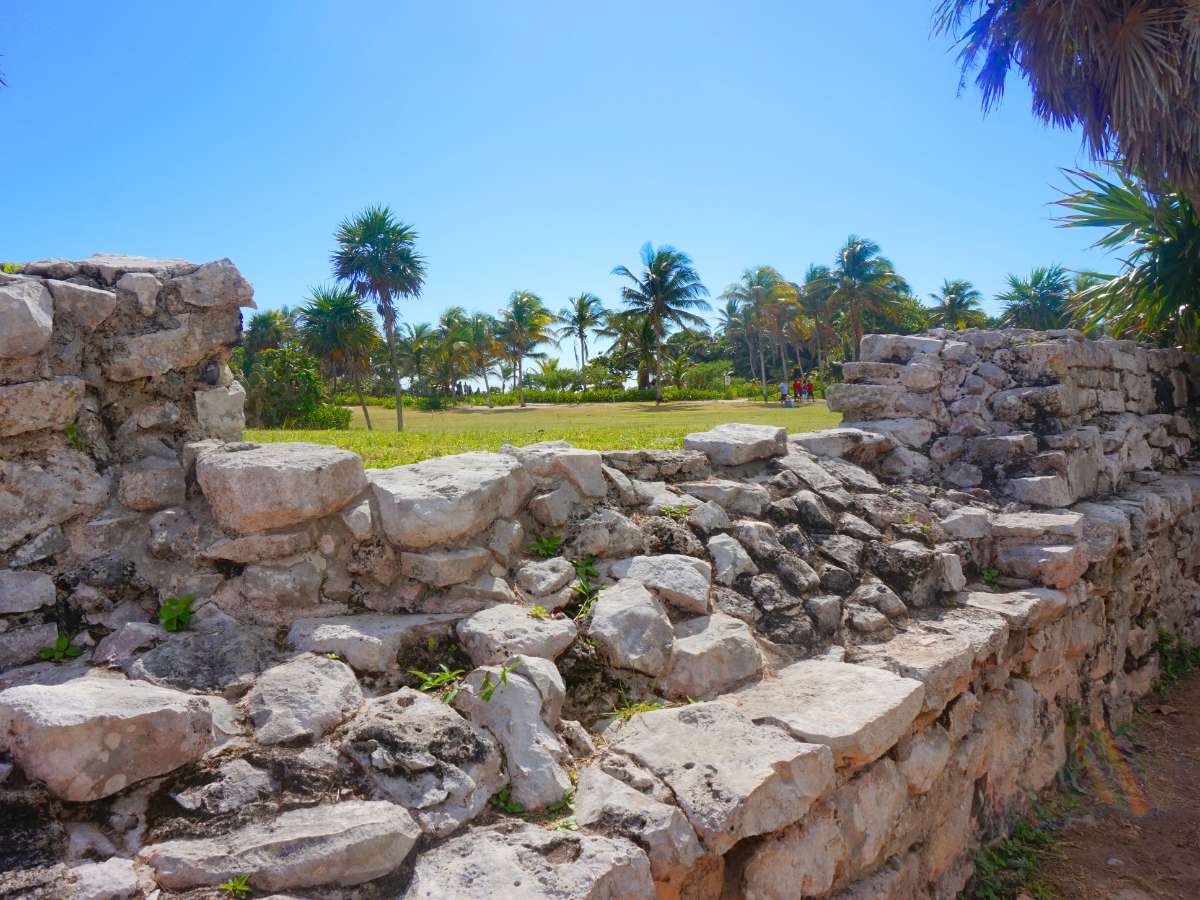
A stone wall roughly 784 meters long encloses three sides of the site, one of the few walled Maya settlements known, built for defense given Tulum's role as a coastal trading port. Sections of the original wall remain visible along the inland approach path.
You board an air-conditioned coach in Playa del Carmen's hotel zone at 07:30, Highway 307 unspooling south through jungle and cenote-pocked limestone. Sixty-five minutes later you pass through Tulum pueblo and turn toward the coast, disembarking at the site's northern parking area.
Your guide distributes tickets—95 MXN INAH admission has already been collected—and leads you through the outer wall's original entrance, a vaulted passageway five meters wide.
You climb El Castillo's eastern staircase, pausing mid-ascent to photograph the Temple of the Descending God's inverted stucco figure. At the summit platform the Caribbean spreads uninterrupted to the horizon, waves breaking white over the barrier reef four hundred meters offshore. Your guide points out construction details: serpent-column jambs, roof comb fragments, the alignment with coastal watchtowers visible to the south. You descend to the Temple of the Frescoes, where original murals depict the rain god Chaac in overlapping registers, then follow a wooden staircase to the beach below. The sand is coarse, mixed with coral fragments. You wade into water so clear you count individual fish schooling over eel grass beds.
By 11:00 the site is filling with day-trippers. You return to the coach, which continues south to Cenote Mariposa for a thirty-minute swim before looping back to Playa del Carmen by early afternoon.
All the details about your upcoming adventure in one place
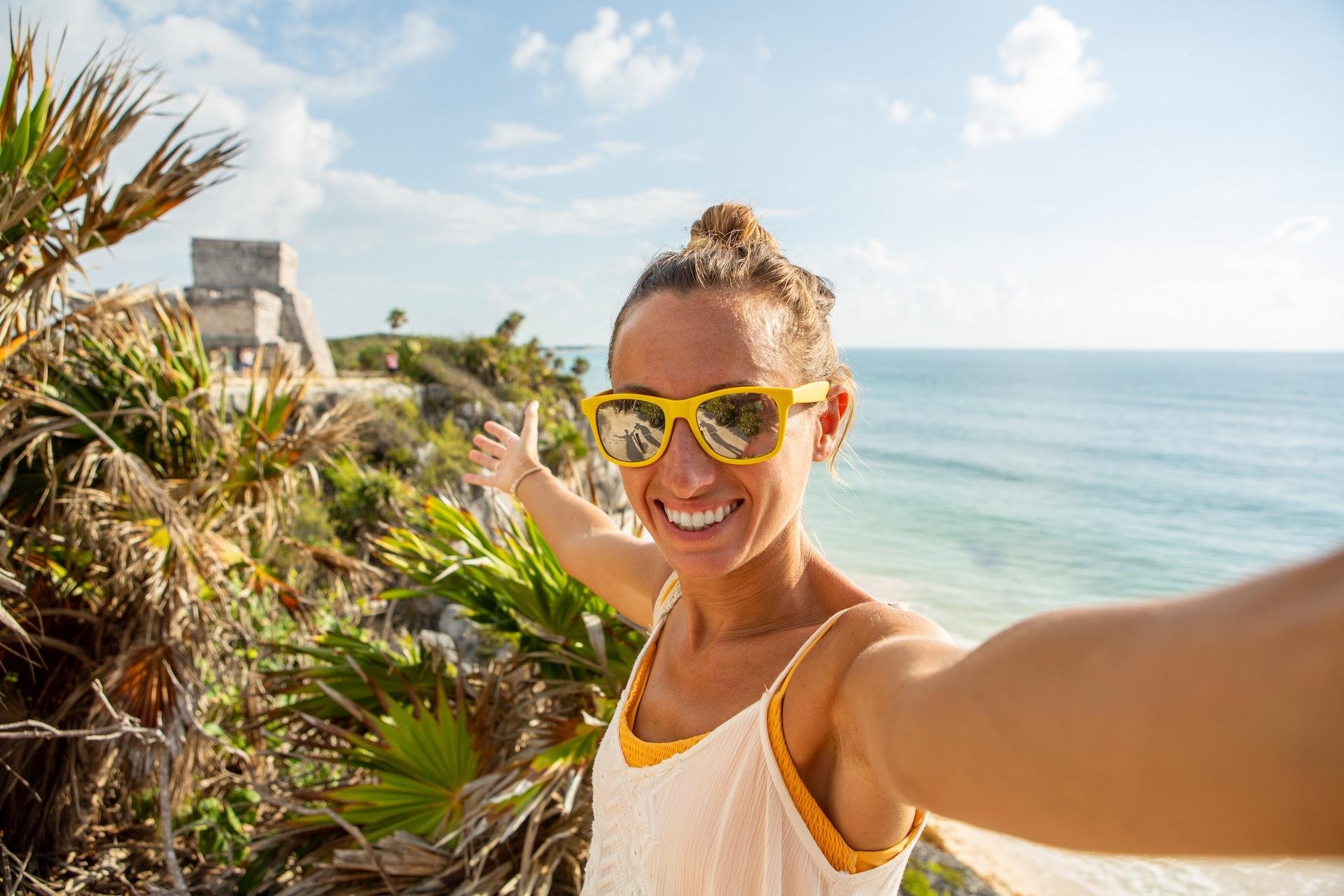
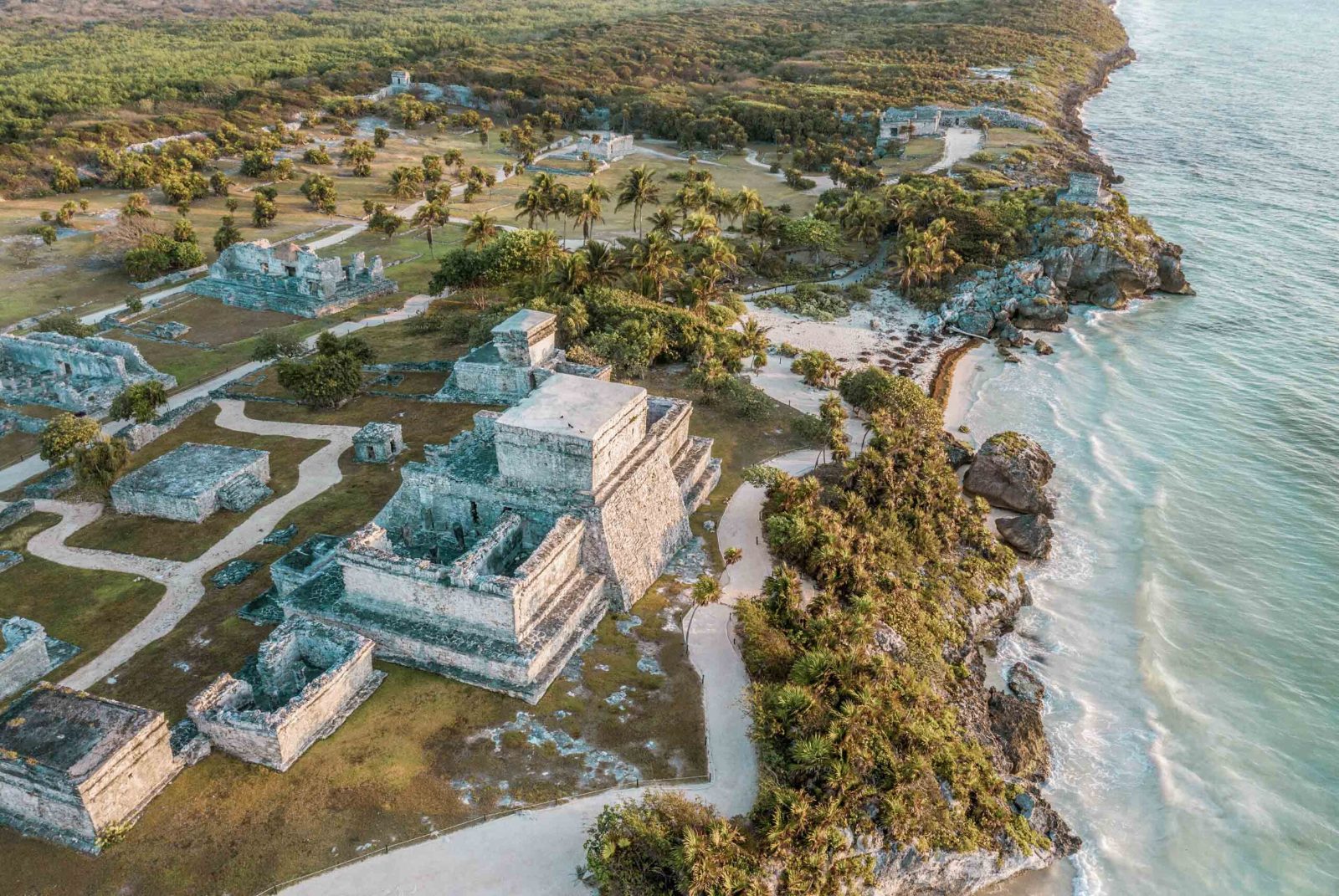
Tulum remains the only major Maya city built directly on the Caribbean coast, its limestone ramparts rising thirteen meters above powder-white sand and reef-studded water.
Founded around 564 CE during the Classic Period, the settlement reached its zenith between 1200 and 1450 CE as a critical port controlling jade and obsidian trade routes that stretched from the Yucatán interior to Honduras. Spanish chronicles from 1518 describe a walled city so luminous at dawn that Juan de Grijalva's fleet mistook it for Seville. The site's original name, Zama—City of the Dawn—reflects its eastward orientation, where equinox sunlight floods the Temple of the Frescoes' interior murals at precisely 06:23.
Today the sixty-hectare archaeological zone preserves more than sixty structures, though only a fraction stand open to the public. El Castillo, the thirty-nine-step pyramid anchoring the main plaza, functioned as both lighthouse and astronomical observatory; sailors navigated by torch signals visible twenty kilometers offshore. The Temple of the Descending God displays the site's namesake deity in stucco relief, wings folded, plunging headfirst—a motif unique to Tulum and nearby Cobá. Frescoes inside the Temple of the Frescoes retain traces of Maya Blue, a chemically stable pigment combining indigo and palygorskite clay that has survived five centuries of hurricane-force winds and salt spray. Carbon dating of roof beam fragments confirms construction phases between 1200 and 1350 CE, overlapping the collapse of inland centers like Chichén Itzá.
Tulum ruins tour from playa del carmen departures typically include round-trip transport, bilingual archaeological guides, and entrance to the INAH-administered site, with many operators bundling cenote swims or stops at nearby Cobá. The site opens at 08:00 daily, and early-morning arrivals avoid the midday heat that regularly exceeds 32°C between May and September. Tour logistics from Playa del Carmen require sixty to seventy-five minutes of highway travel each way, with most packages allocating ninety minutes to two hours inside the archaeological zone itself. The combination of clifftop ruins, accessible beach access via a wooden staircase on the site's eastern edge, and proximity to cenotes like Mariposa and Gran Cenote has cemented Tulum's position as the second most-visited archaeological site in Mexico, trailing only Teotihuacán in annual attendance figures that exceeded 2.1 million in 2019.

Spanish chronicles from 1518 describe a walled city so luminous at dawn that Juan de Grijalva's fleet mistook it for Seville.
Lightweight, breathable clothing is strongly recommended since the site sits on an exposed coastal bluff with almost no tree cover. Closed-toe walking shoes or sandals with good grip help on the uneven limestone paths, and a hat adds relief from direct sun between the entrance and El Castillo.
Bags are subject to a visual check at the INAH gate before entering the archaeological zone, and large backpacks or suitcases are discouraged since there is no dedicated storage on site. Security staff patrol the pathways around Zona Arqueológica de Tulum to keep visitors off the fragile stone structures.
Personal photography and phone cameras are permitted throughout the ruins free of charge, but tripods and professional rigs may require a separate INAH permit arranged in advance. Drone flights are prohibited across the entire archaeological zone without special federal authorization.
Children are welcome throughout the site, but low stone walls near the cliff edge require close supervision since railings are minimal in several spots. Strollers handle the main paths reasonably well, though the sandy side trails near the beach access point are harder to push through.
The main walkway from the visitor center to the ruins is flat packed sand and gravel, manageable for wheelchairs and strollers with assistance, though a few sections narrow near the coastal cliff edge. There are no ramps or lifts up to the raised platform of El Castillo, so the closest structures viewable at wheelchair height are from the surrounding paths.
Food and drink are not permitted inside the archaeological zone itself, aside from bottled water, which is strongly encouraged given the heat and lack of shade. Any snacks or meals need to be consumed outside the gate near the visitor center before entering.
Cooler before mid-morning tour buses arrive
Midweek, generally lighter attendance
Busier ahead of weekend arrivals
Heaviest cruise and group traffic
Hours
Daily 08:00–17:00, last entry approx. 16:30
Opening hours
08:00 – 17:00
Getting there
City-center access via metro and bus
Accessibility
Most experiences are wheelchair-friendly — check individual tours
What to bring
Comfortable shoes, water, phone for mobile voucher
Car · 45–60 min · Parking fee applies, roughly 50–100 MXN
Drive south from Playa del Carmen on Highway 307 for roughly 45 to 60 minutes directly to the site parking area near Km 230. Paid parking lots sit just outside the INAH gate.
Public transport · 60–75 min · Low cost, paid in cash
Colectivo vans depart frequently from Playa del Carmen's main collectivo terminal on Calle 2 and drop passengers along Highway 307 near the ruins turnoff. From the highway drop point it is a short walk or taxi to the entrance.
Taxi · 45–60 min · Higher cost than colectivo
Taxis from Playa del Carmen can be arranged directly to the archaeological site entrance, avoiding transfers.
Bike · 15–20 min from Tulum town · Low cost, bike rental fee only
Cyclists based in Tulum town can reach the ruins via a dedicated coastal bike path connecting the pueblo to the archaeological zone.
Most tulum ruins tour from playa del carmen bookings allow free cancellation up to 24 hours before the scheduled departure, with a full refund issued to the original payment method. The 95 MXN INAH gate admission is paid on-site per person and is separate from any tour cancellation terms.
Recommended time
2-3 hours
Most visitors need 2-3 hours to walk the compact coastal platform, see the main structures, and pause for photos along the cliff edge, with an extra 30 minutes if you linger on the beach access path. A tulum ruins tour from playa del carmen typically times the transfer to land right at the 08:00-09:30 best arrival window, so you are on-site before the bulk of Cancun and Playa del Carmen buses converge mid-morning. Queues at the ticket gate are minimal before 09:00 but stretch noticeably by 11:00 as coach groups stack up, so arriving early trims both entry wait and pathway congestion. Trim to under 2 hours if you skip the beach, or add time in late afternoon when bus traffic thins again.
Crowd levels through the day
Weather · crowds · average price — dots go green to amber to red as each metric rises.
Daytime temperatures stay in the mid-70s to low-80s Fahrenheit, making this the most comfortable season to walk the exposed clifftop paths. Holiday weeks around Christmas and New Year bring heavier visitor numbers.
March and April see spring break crowds pick up noticeably around the equinox period, while temperatures climb into the upper 80s by May. This remains a popular season for a tulum ruins tour from playa del carmen given reliably dry weather.
Heat and humidity peak with temperatures regularly near 90°F and afternoon rain showers becoming common. Cruise ship groups and family vacationers add to midday congestion at the site.
September and October carry the highest rainfall and some hurricane risk in the region, though crowds thin out considerably compared to summer. By November conditions dry out again ahead of the winter high season.
The INAH gate typically expects cash in Mexican pesos for the 95 MXN entrance fee, and change can be limited at the booth.
The nearby beach cove inside the site connects to protected coastal waters, so mineral-based sunscreen is a better choice than chemical formulas.
The wooden staircase to the small cove inside the archaeological zone can close temporarily during rough surf conditions.
The paved lots near the entrance gate reach capacity quickly on weekends and cruise ship days.
There is minimal shade along the clifftop paths, so carrying water rather than buying it once inside is more reliable.
Several viewing areas near El Castillo have low or no barriers directly above the rocky shoreline.
Carretera Federal Cancún-Tulum Km 230, 77780 Tulum, Quintana Roo
Primary INAH ticket booth and entrance checkpoint
Get directionsAdjacent to Carretera Federal Cancún-Tulum Km 230, Tulum
Common pickup and drop-off point for organized transport
Get directionsTulum rose in the thirteenth century as Zamá—"City of Dawn"—a fortified port that controlled maritime trade along the Caribbean coast when inland centers like Chichén Itzá had already declined. Built atop forty-foot limestone cliffs, the walled city became the principal harbor for the emerging Mayapan confederation, exporting honey, salt, and obsidian blades to Honduras and receiving jade, cacao, and copper in return. El Castillo, the temple that crowns the site today, served dual purposes: priests tracked equinox sunrises through its eastern windows while sailors navigated by its beacon fires visible twenty miles offshore. Spanish contact arrived in 1518 when Juan de Grijalva's expedition recorded a city "as large as Seville" with smoking temple braziers and painted murals. Unlike most Maya centers, Tulum remained inhabited seventy years after conquest—survivors of smallpox epidemics clung to the coast until 1544, when colonial administrators forcibly relocated them inland. The jungle swallowed the walls. In 1842, John Lloyd Stephens and Frederick Catherwood documented crumbling frescoes inside the Temple of the Frescoes, publishing engravings that sparked European fascination with Maya civilization. Mexican archaeologist Miguel Ángel Fernández led the first systematic excavation in 1916, revealing that Tulum's late construction—crude masonry over earlier platforms—reflected a civilization in twilight, not zenith. Modern access began in 1972 when the federal government cleared the coastal road from Cancún. The site opened to organized tulum ruins tour from playa del carmen tours in 1982, the same year Hurricane Gilbert stripped protective vegetation and exposed eroding foundations. INAH installed boardwalks and restricted climbing access in 1995 after tourist traffic began destabilizing El Castillo's substructure. Today's tulum ruins tour from playa del carmen tickets grant entry to thirteen restored structures—less than half the original walled precinct—while ground-penetrating radar continues mapping buried residential zones beneath the parking area.
Tulum founded as Zamá, fortified port controlling Caribbean trade routes
Spanish expedition records thriving coastal city with active temples
Last Maya inhabitants forcibly relocated; site abandoned to jungle
Stephens and Catherwood publish first archaeological documentation and illustrations
Miguel Ángel Fernández conducts systematic excavation revealing late-period construction
Coastal highway completed, enabling vehicle access from Cancún corridor
Site opens to public tours; Hurricane Gilbert damages exposed structures
INAH installs conservation measures and restricts climbing after erosion concerns
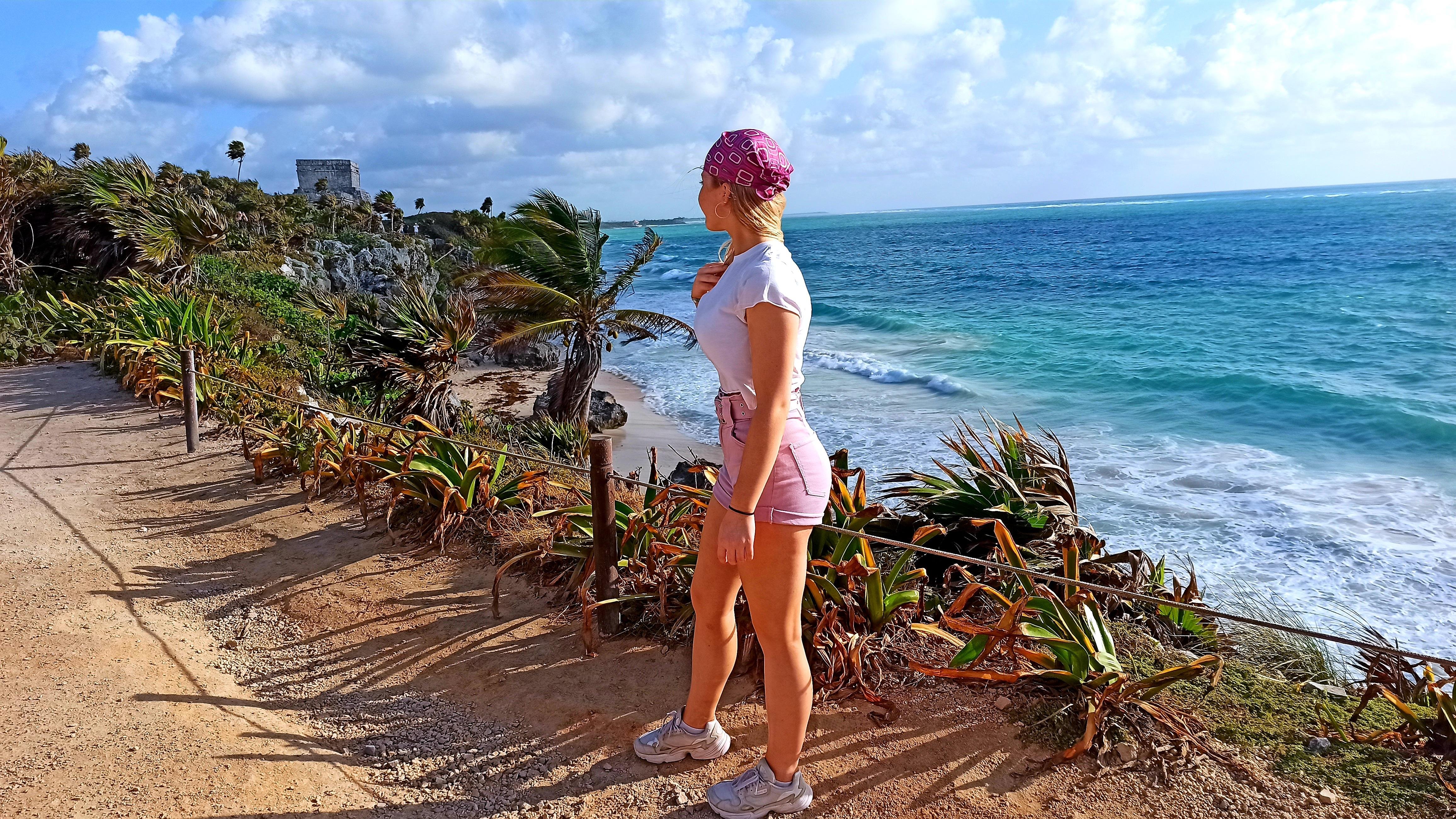
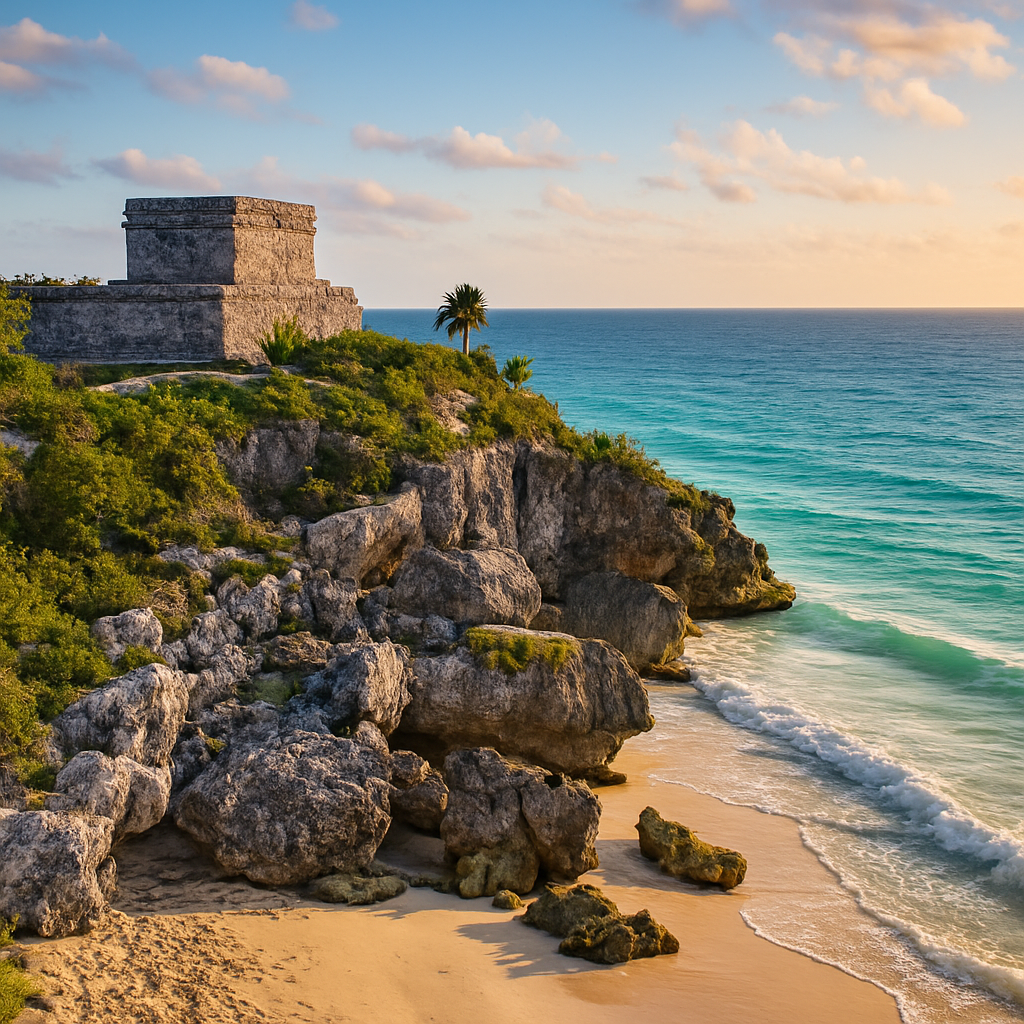
The classic shot of El Castillo perched above the turquoise Caribbean is taken from the roped viewing path along the cliff edge east of the pyramid. Stand at the marked overlook rather than the sandy dune in front, since rangers keep visitors off the mound to protect the structure. Wide-angle shots here capture both the temple and the sea in one frame.
A tulum ruins tour from playa del carmen is genuinely manageable with children because the archaeological site is compact and flat, with the cove beach at the far end acting as a natural payoff for tired legs. Most families cover the whole loop in under an hour before heat and cruise-ship crowds build up.
Kids around 5 and up handle the walk easily since paths are level limestone and dirt with no stairs into temples; toddlers are fine in a carrier but the midday sun is tough on younger babies.
Plan a slow 45-60 minute loop rather than rushing: let kids pause at the main clifftop structures first, then treat the beach cove near El Castillo as the reward stop where they can wade and cool off.
There are restrooms and shaded rest areas near the entrance plaza, but nothing inside the ruins themselves, so use facilities before starting the walk.
Arrive right at the 08:00 opening if you can, since the 08:00-09:30 window is noticeably cooler and quieter before tour buses fill the paths with families and shade becomes scarce.
Mid-morning is when guided groups peak, so if kids get overwhelmed, cut through to the beach cove early and loop back to see remaining structures on the way out.
Food options are limited right at the gate, so most visitors on a tulum ruins tour from playa del carmen either pack a snack or wait until they're back near the visitor center parking lot, where a modest cafeteria and a cluster of vendor stalls handle the crowds. For a proper sit-down meal, the beach road and Tulum pueblo a short taxi ride away offer far more variety.
Basic Mexican plates and cold drinks steps from the ruins parking area, useful for a fast bite before or after visiting; expect simple service and a functional rather than memorable meal, best treated as a quick refuel stop.
Tacos, elotes, and fresh fruit sold from stands where buses park; convenient if you skip breakfast, busiest right when large tour groups arrive mid-morning, and fine for a five-minute stop rather than a sit-down meal.
Casual Mexican and seafood spot popular with visitors heading toward Tulum's beach zone after the ruins; tacos and ceviche are the draw, and it gets busy around lunch when tour groups finish their visit.
A no-frills favorite with Tulum locals for tacos and regional Chiapas-style dishes, good for travelers wanting an authentic, wallet-friendly meal away from the tourist strip after their tulum ruins tour from playa del carmen tour wraps up.
Everything you need to know for your journey
Zona Arqueológica de Tulum is open daily from 08:00 to 17:00, with last entry around 16:30, and these hours apply every day of the week without a weekly closure.
Main paths are flat and manageable for wheelchairs with assistance, but there are no ramps up to the raised platform where El Castillo sits, so some structures are only visible from ground level.
Drones and tripods without a permit, glass containers, alcohol, amplified speakers, and camping gear are among the items restricted at the gate.
Personal cameras and phones are allowed free of charge throughout the grounds, though professional equipment like tripods may need advance permit approval.
Arriving at the 08:00 opening gives the coolest temperatures and thinnest crowds before mid-morning tour buses arrive, which is the best window for a tulum ruins tour from playa del carmen.
Lightweight breathable clothing and closed-toe walking shoes work best given the exposed, shade-free coastal terrain of the site.
Food is not permitted inside the archaeological zone, though bottled water is encouraged because of the heat, and other food must be consumed outside the gate.
Colectivo vans run frequently from Playa del Carmen's terminal on Calle 2 to the Highway 307 turnoff near the ruins, or a taxi and rental car can reach the site directly in 45 to 60 minutes.
Children are welcome on a tulum ruins tour from playa del carmen, though the low walls near the cliff edge require supervision since barriers are minimal in several spots.
Most tulum ruins tour from playa del carmen tours allow free cancellation up to 24 hours before departure with a full refund, separate from the 95 MXN gate fee paid on-site.
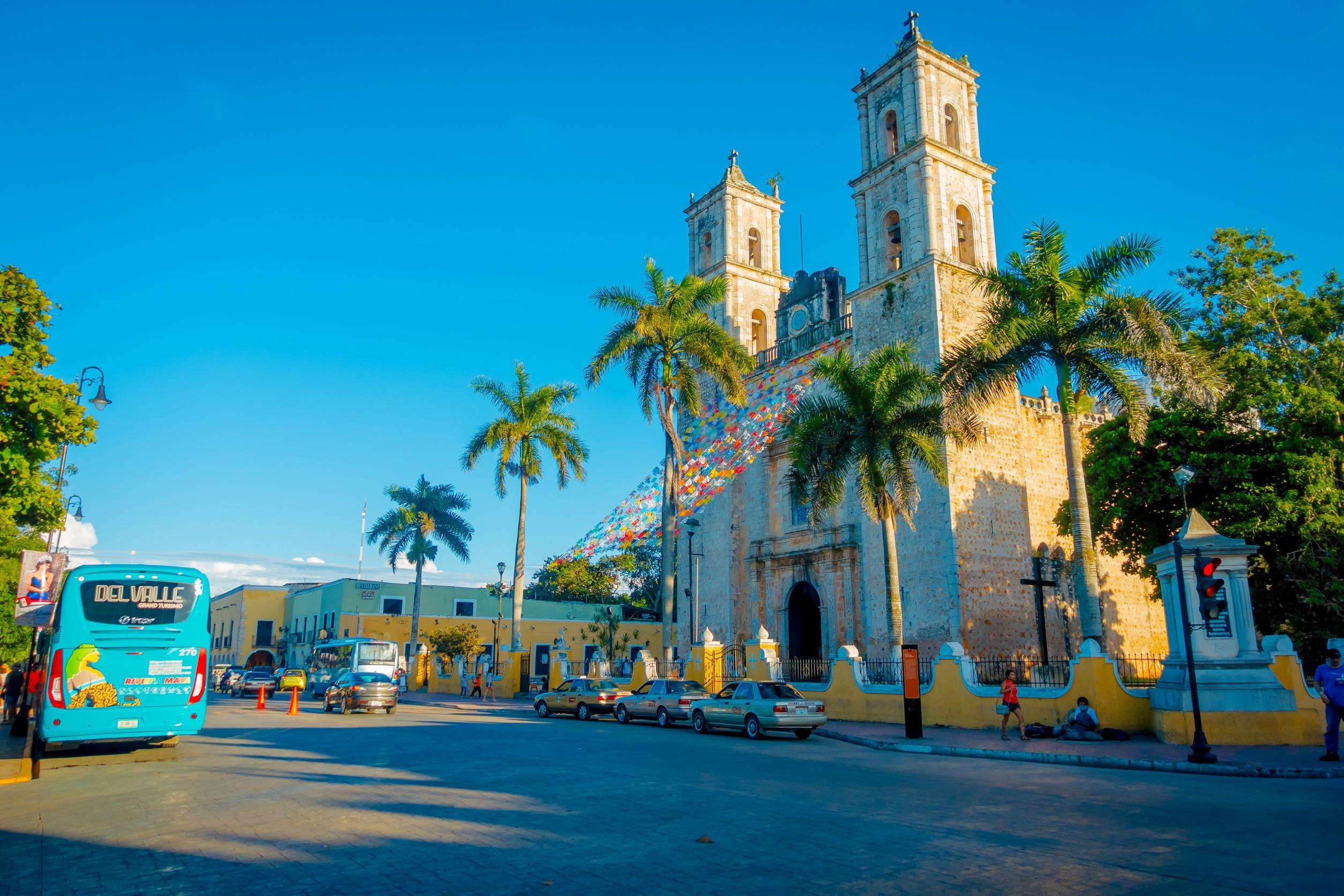
Many visitors pair a Tulum landmarks visit with nearby cenotes like Gran Cenote or a stop in Tulum Pueblo, and some tulum ruins tour from playa del carmen tours bundle a beach club stop as well.
The INAH admission is 95 MXN per person, paid directly at the gate and separate from any transportation or guide costs.
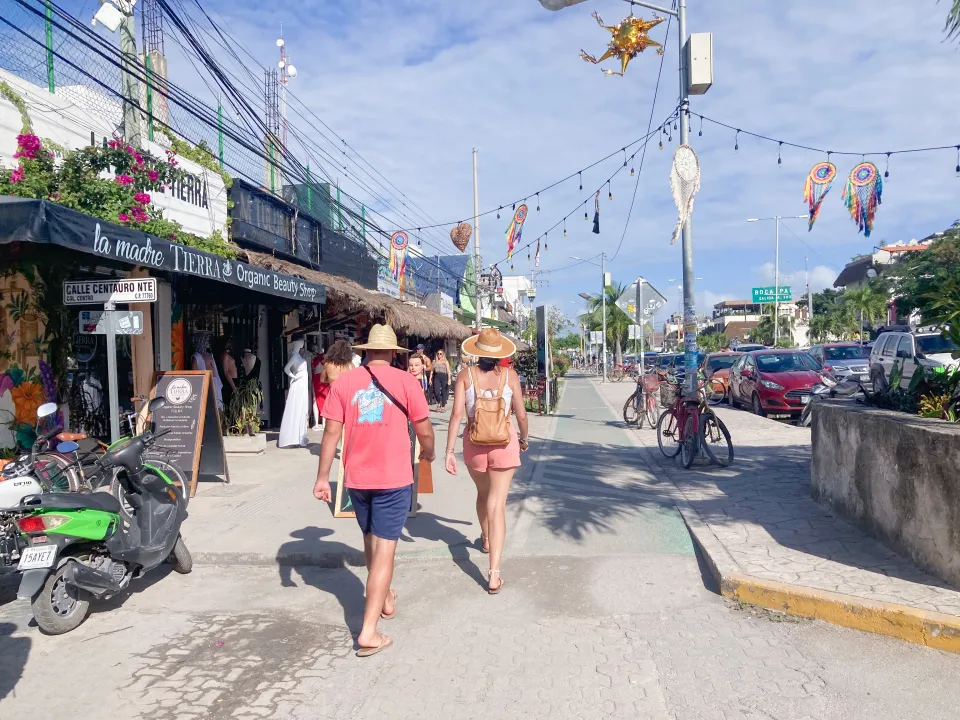
The town center near the ruins holds shops, murals, and small plazas reflecting everyday life in modern Tulum.
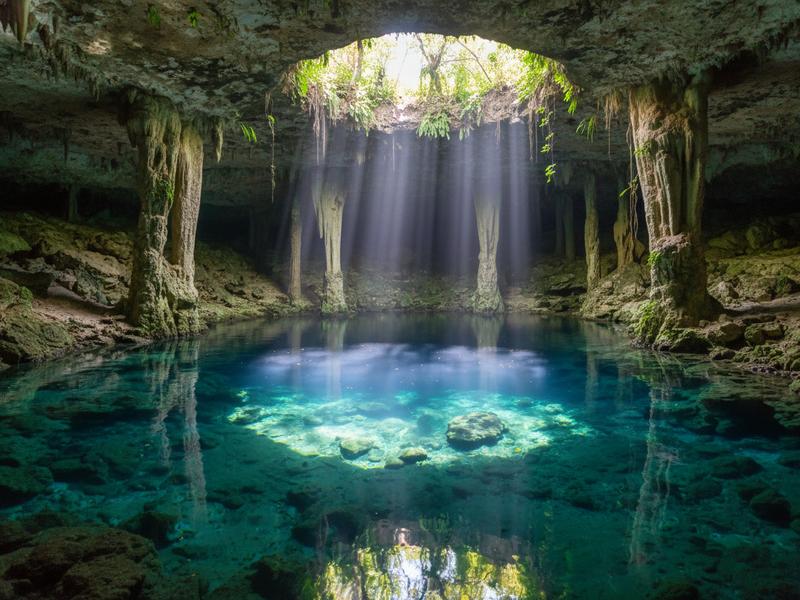
A cluster of nearby freshwater cenotes sits just inland from the coastal ruins zone.
The long white-sand beach road south of the ruins offers coastal views and beach clubs along the shoreline.
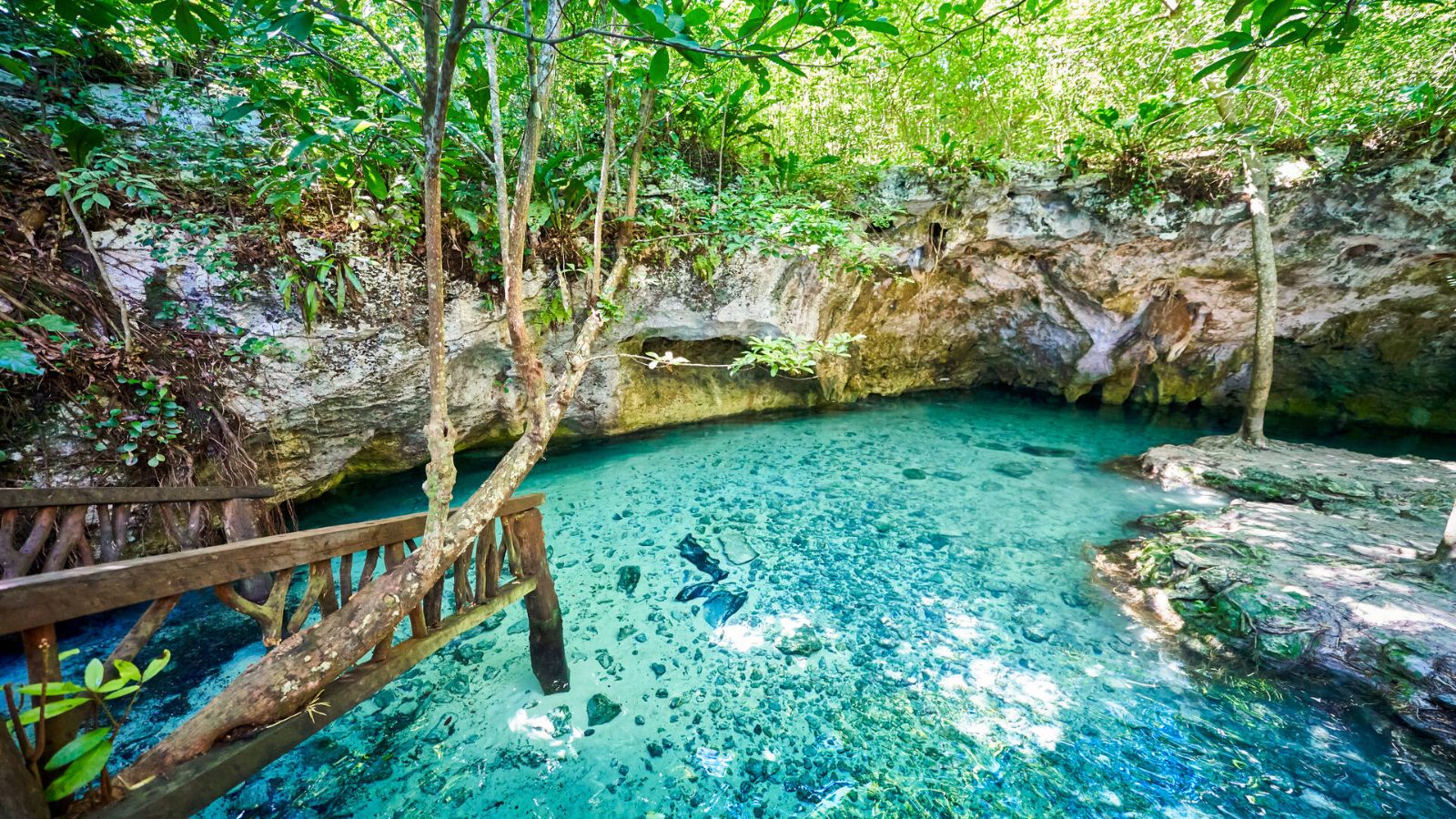
One of the region's well-known cenotes for swimming and snorkeling sits along the road toward Tulum Pueblo.
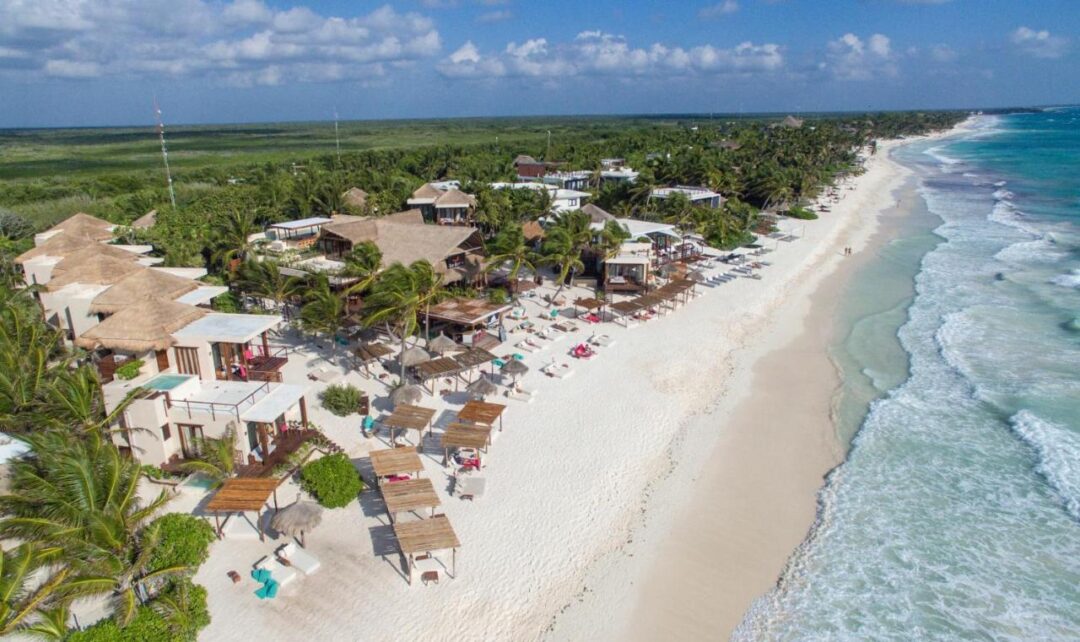
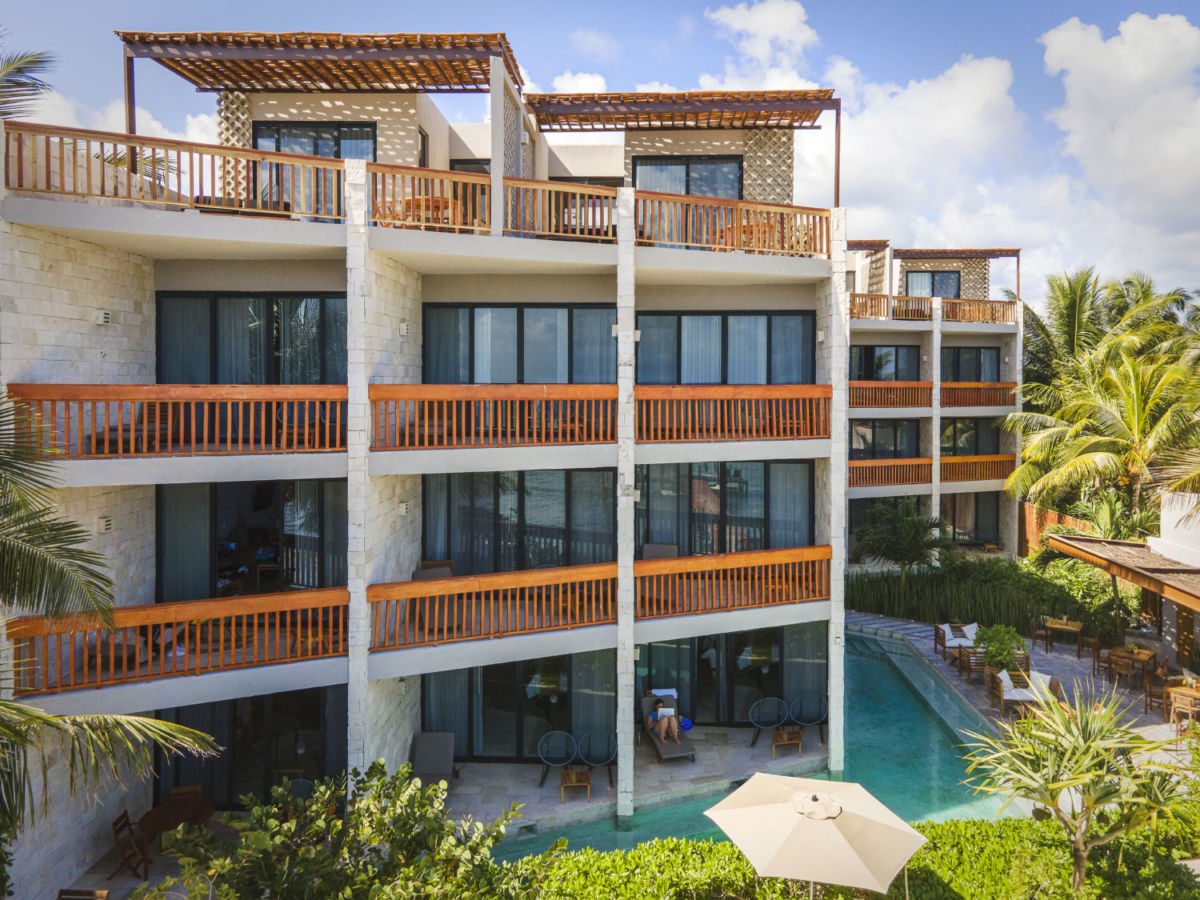
A strip of small boutique hotels lines the coastal road south of the ruins, many with direct beach access.
The town center offers a wide range of mid-range guesthouses and hotels within walking distance of restaurants.
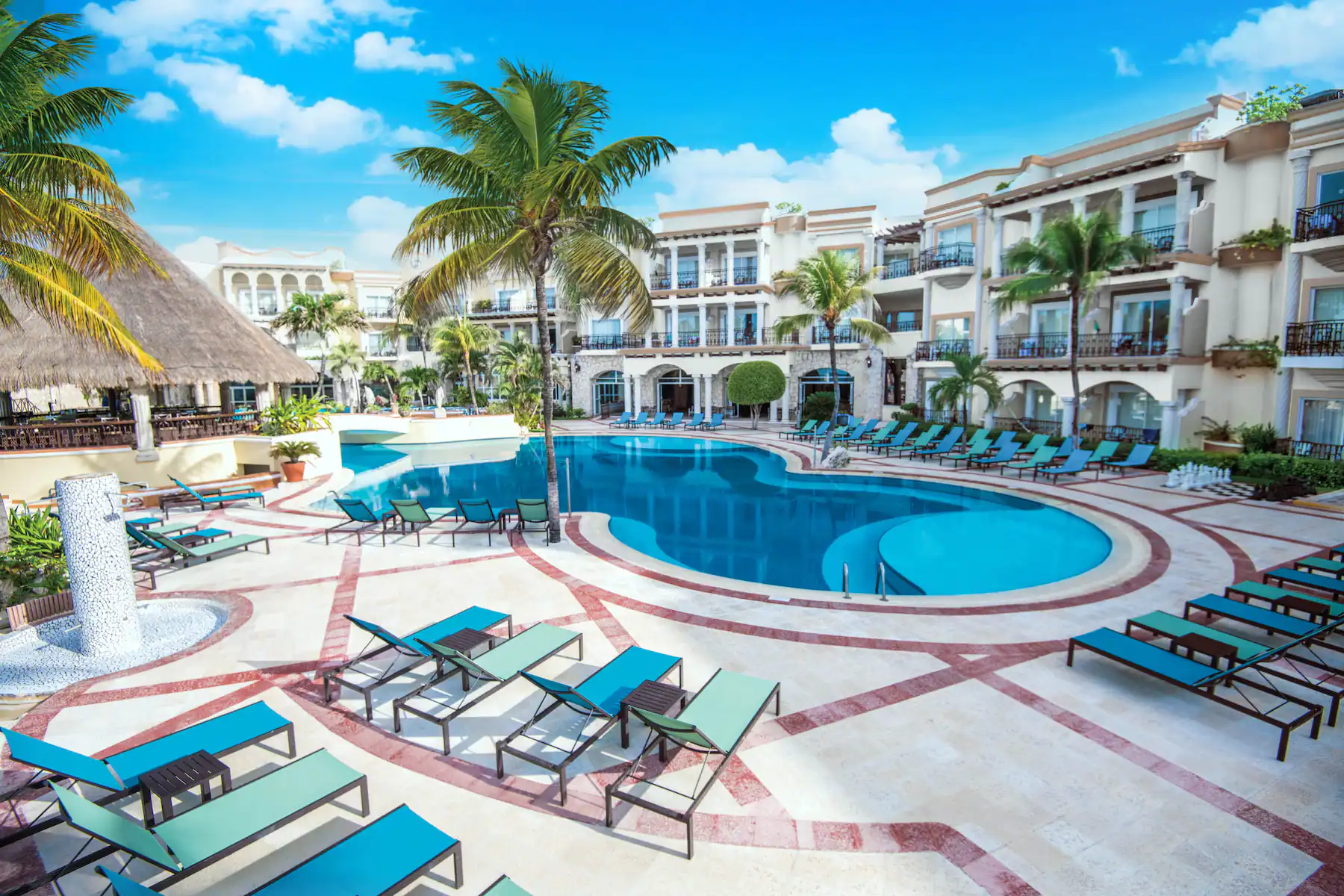
Visitors basing themselves in Playa del Carmen have a dense concentration of hotels near Quinta Avenida.
Join thousands of happy travelers who have discovered this incredible experience
Book Your Experience Now